KP emergency Shehbaz Sharif: Centre was compelled to act, PM says
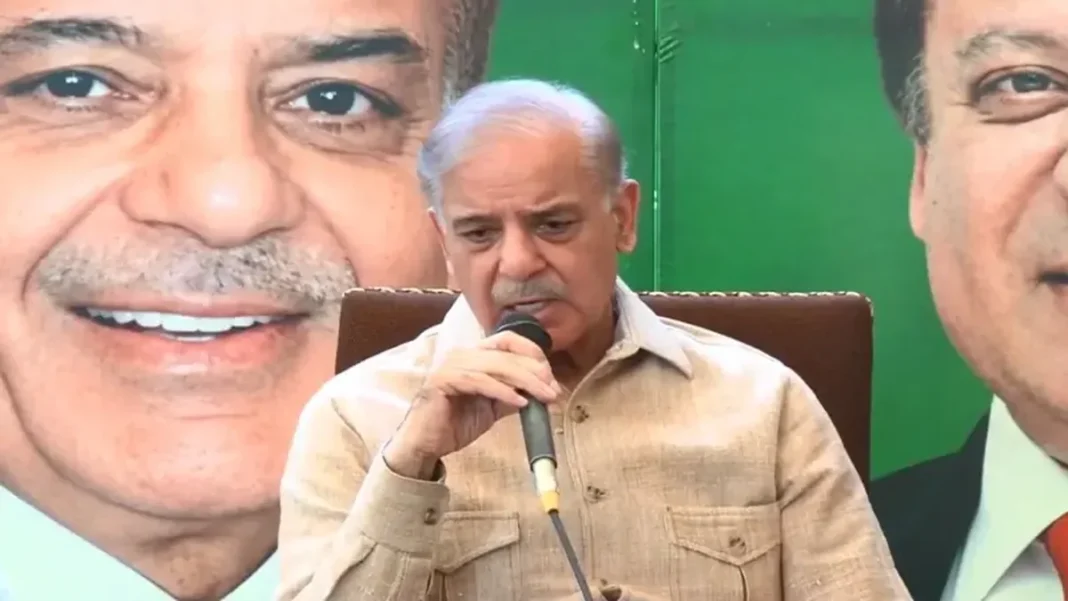
GUJRANWALA: Prime Minister Shehbaz Sharif on Saturday reiterated that the Centre was “compelled” to impose emergency and governor’s rule in Khyber Pakhtunkhwa, citing the provincial government’s failure to cooperate against terrorism.
The KP emergency Shehbaz Sharif defended on Saturday was imposed on Oct 11, when the Centre cited the provincial government’s “deliberate disengagement” from counterterrorism. Parliament endorsed both decisions earlier this week amid opposition protests.
At the Gujranwala residence of MNA Mahmood Bashir Virk, where he had gone to offer condolences on the lawmaker’s father’s death, the prime minister said the federal government had made a “last attempt” to settle matters through talks before acting.
Why the KP emergency Shehbaz Sharif defended followed failed talks
The prime minister pointed to two rounds of talks between a joint PPP-government delegation and the opposition. The second, hours-long round on Oct 3 ended without a breakthrough.
“They had talks with them (PTI) day and night, for 48 hours, and sat with the intention to settle matters from every aspect,” the prime minister said. He added that a draft agreement was ready under which the PTI would call off its long march to Islamabad.
He said he had met both Sohail Afridi, the now non-functional KP chief minister, and his predecessor Ali Amin Gandapur multiple times.
“In every meeting, I tried my best to convey to him from the depths of my heart and with seriousness that KP is an extremely beautiful province and has very brave and honourable people, and I am always present in every way for their development and prosperity,” PM Shehbaz said.
He said he had assured the KP leadership of the Centre’s full support against terrorism, and that decisions on the province’s administration, resources and needs would be made in consultation with the chief minister.
“But, unfortunately, despite all these efforts, thousands of our law enforcement personnel, soldiers and officers were sacrificing their lives every day to defend the homeland,” he said. The response, he added, was “threats and long marches every other day”.
PTI’s history of protests recalled
The prime minister also called the PTI’s protest record “horrific”, citing the 2014 sit-ins at Islamabad’s D-Chowk during his brother Nawaz Sharif’s tenure.
“Last year as well, you saw how the entire country was jammed by staging a sit-in in Islamabad,” he said, referring to the November 2024 protest that led to clashes.
“This time as well, they had an entire plan of bloodshed,” he alleged.
How the KP emergency crisis unfolded
The Oct 11 move followed weeks of tension between the Centre and the PTI, alongside attempts at negotiation, after the party announced a long march to Islamabad demanding the release of its jailed founder, Imran Khan. The prime minister had earlier moved to bring allies on board as the PTI standoff deepened.
Federal ministers have alleged the PTI-led KP government had a “nexus” with terrorist groups, and asserted that the province’s security situation made the emergency necessary. The PTI says it has been left out of security decisions concerning the province, a claim the Centre denies.
The party has called for a review of the national counterterrorism policy, while the Centre has criticised KP’s counterterrorism efforts and its stance on dialogue with the Afghan Taliban.
The crisis has since moved to Parliament and the courts: the decisions were endorsed by Parliament this week, while Maulana Fazlur Rahman has sought a joint in-camera parliamentary session on KP security and the Peshawar High Court is set to hear a challenge to the KP emergency and governor’s rule on October 20.
The move had been signalled in advance: ministers were openly saying the Centre was seriously considering emergency in KP earlier this month, the PTI dismissed the prime minister’s talks offer as a mere offer, and the interior minister later said the talks had collapsed, accusing the KP chief minister of sabotaging the negotiations.
The original reporting on the prime minister’s remarks was published by Dawn.
FAQ
Why did the Centre impose emergency in KP?
The federal government says the provincial government deliberately disengaged from the fight against terrorism, making the Oct 11 move necessary. PM Shehbaz Sharif reiterated on Oct 17 that the Centre was “compelled” to act.
What happened in the Oct 3 talks?
A joint PPP-government delegation held a second, hours-long round of talks with the opposition, but the negotiations collapsed without a breakthrough, even though a draft to call off the PTI’s long march was ready.
What is the status of the KP chief minister?
Sohail Afridi’s role as chief minister now stands non-functional following the imposition of governor’s rule in the province.
What happens next?
The Peshawar High Court is scheduled to hear a legal challenge to the emergency and governor’s rule on October 20.