


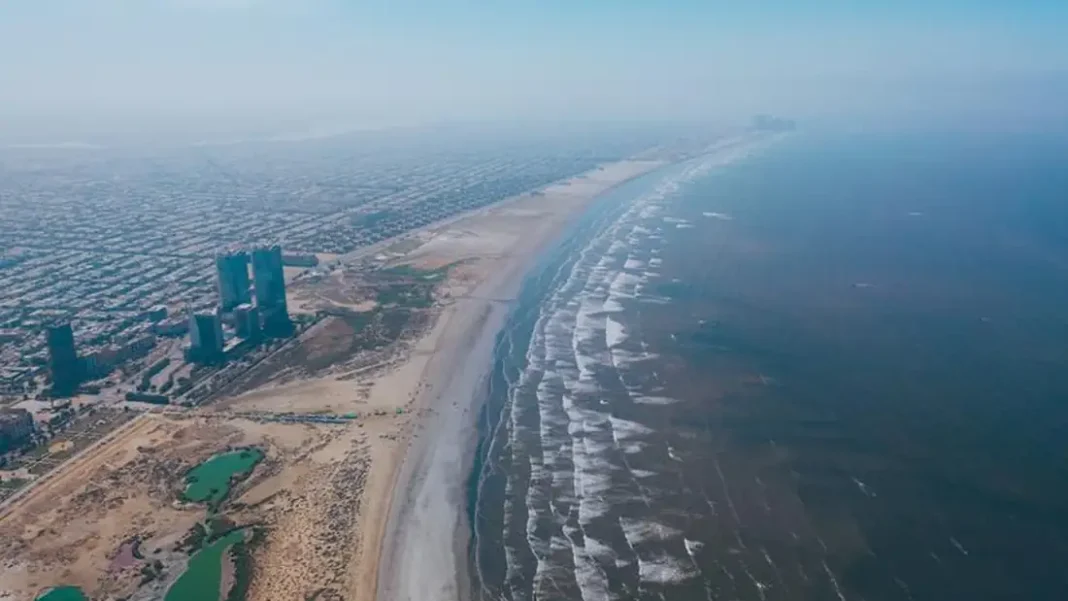
The situation in Karachi today: a megacity of nearly 19 million going about its business under its usual mix of energy and strain. No extraordinary security situation prevails as of 11 October 2026 — the city’s situation is its normal one: commercial bustle, civic challenges, and the standard big-city precautions. Here is the honest briefing.
Quick answer: Situation in Karachi today (11 Oct 2026): normal. The city functions — businesses, markets, ports and transport operating; no extraordinary security alerts. Standard precautions apply: petty crime (theft, bag-snatching) is the main risk; avoid political gatherings; follow traffic advisories. Karachi’s situation is stable-commercial, not crisis.
In this guide
Security: the current picture
Stable, with standard caveats. Karachi’s security is far better than its violent 2010s peak, when the Rangers-led operation transformed the city’s law-and-order landscape. Today’s picture: street crime (mugging, vehicle theft, phone-snatching) is the dominant risk — real and widely experienced, but ordinary big-city crime rather than conflict. Targeted security operations continue in the background; political violence is episodic, not systemic.
The US and UK advisories do not single out Karachi for “do not travel” treatment (their red zones are Balochistan, KP and the borders), though standard caution applies. Visitors should use reputable transport, avoid displaying valuables, and keep clear of political gatherings — the same advice as for any South Asian megacity.
How the city is functioning
The commercial capital at work. Karachi’s ports (Karachi Port and Port Qasim) handle the bulk of Pakistan’s trade; the stock exchange, corporate headquarters and industrial zones operate normally; Jinnah International Airport runs full schedules. The KMC administration under Mayor Wahab continues its civic programme — E-Kachehri sessions, road works, revenue drives.
The friction points are civic, not security: water shortages, traffic, power billing disputes, and the monsoon season’s drainage test. These dominate the daily updates far more than any security story.
For visitors
Pakistan’s most cosmopolitan city. Karachi rewards visitors: the Clifton/DHA seafront, Empress Market, Mohatta Palace, the Quaid’s mausoleum, Burns Road’s food street, and Port Grand. It is also the most liberal and diverse Pakistani city — linguistically, ethnically and socially. Practical advice: pre-arranged transport, modest dress, hotel security norms, and the usual vigilance about belongings.
The honest risks for tourists are mundane: traffic, heat, and petty theft — not terrorism. Thousands of business travellers transit Karachi monthly without incident. See Karachi news for the city’s broader story.
For residents
The daily negotiation. Karachiites navigate their city with practised skill: timing commutes around congestion, managing water storage, and engaging the civic machinery (helplines, E-Kachehri, district offices) when services fail. The city’s resilience is legendary — it absorbs migrants from across Pakistan and still functions.
The situation to watch is civic rather than security: whether the KMC’s revenue and complaint drives translate into visible service improvement. That is the story the Karachi news guide follows.
What is the situation in Karachi today?
Normal and stable: the city functions commercially and civically, with no extraordinary security situation. Standard big-city precautions (street crime awareness, traffic planning) apply.
Is Karachi safe today?
For ordinary routines, yes — with the usual megacity vigilance about petty crime. The security situation is far improved from the 2010s; the main risks are street crime and traffic, not conflict.
Is there any alert for Karachi today?
No extraordinary alerts as of 11 October 2026. Follow traffic police advisories for daily diversions and established newsrooms for any developing story.
: security briefing, city functioning, and practical guidance for residents and visitors.)