Delayed Justice Undermines Rights, Supreme Court Says
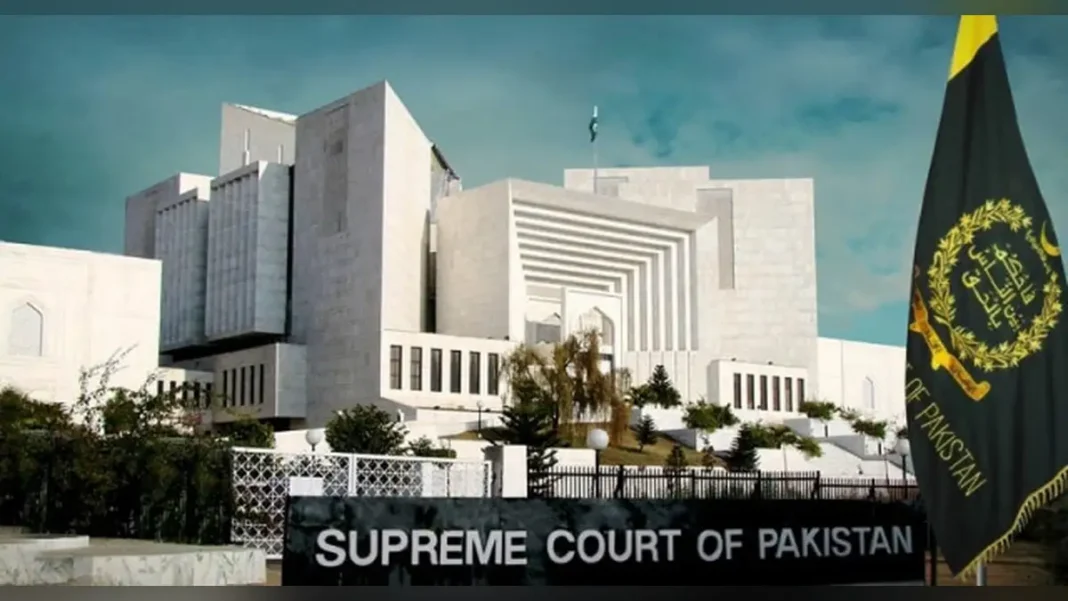
The Supreme Court has warned that delayed justice undermines rights, saying access to justice must include a decision within a reasonable time. The court stressed that courts should dispose of civil cases quickly, because long litigation can defeat the very relief people seek.
“Delay in civil litigation may defeat property rights, contractual obligations, inheritance claims and family entitlements. The passage of time may render relief ineffective, evidence unavailable and disputes incapable of meaningful resolution,” the court observed, The Express Tribune reported.
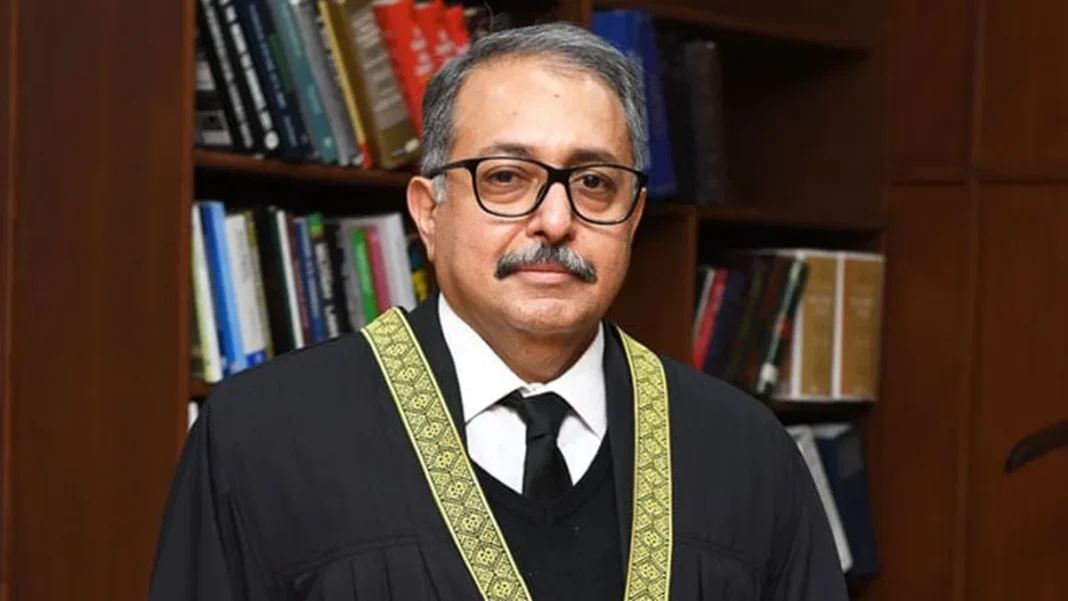
The remarks came in a 14-page judgement authored by Justice Shahid Bilal Hassan. A division bench led by him decided a case in which the main suit was still pending before a trial court, although an interlocutory application seeking amendment of the plaint had travelled through the courts to the Supreme Court.
Justice must be timely, not just available
The bench said the long proceedings called for serious thought about the constitutional right of access to justice, and about its often ignored side, the right to expeditious justice.
“Access to justice cannot be meaningful if the determination of rights is indefinitely delayed or the eventual remedy loses its practical utility,” the judgement said.
The court noted that long litigation in family matters could also harm children’s welfare. It referred to the Supreme Court’s judgement in the Shehla Zia case, in which the court read the right to life under Article 9 of the Constitution in a broad sense.
In the same way, the court said, the right of access to justice must go beyond the mere availability of a forum. It must include the effective decision of a person’s case within a reasonable time. A remedy granted after unreasonable delay could amount to no remedy at all, it added.
What the Constitution says about delayed justice
The court said this reading was supported by Articles 4, 9 and 10-A of the Constitution, read with Article 37(d), which requires the state to ensure inexpensive and expeditious justice.
Although the Principles of Policy are not independently enforceable under Article 30(2), they provide an important guide to reading fundamental rights, the judgement said. The constitutional guarantee of access to justice must therefore include timely adjudication.
The court also spoke about delays in criminal cases, saying they could lead to long deprivation of liberty, uncertainty for accused persons and denial of effective justice to victims. Delays could also weaken evidence, affect witnesses and damage the fairness and reliability of trials.
The human cost of delay
The warning comes as the cost of slow justice is plain to see. Only this week, the Peshawar High Court ordered Rs10 million in compensation for a man held for nearly 10 years after his sentence had ended, a case in which delay itself became the injustice.
The Supreme Court, however, drew a clear line. Expeditious justice should not be confused with hurried justice, it said. Cases should not be decided at the cost of fairness, due process or a proper chance to be heard, and no fixed timeframe should be set for every case.
“The reasonableness of time must depend upon the nature, complexity, circumstances and conduct of the parties,” the judgement said. The constitutional concern arises when proceedings stay pending for an unreasonable period without good reason, it added.
The Peshawar High Court ordered Rs10 million for a man held for a decade without trial. A former judge said the 26th and 27th Amendments sparked a judicial conflict. The Lahore High Court protected abused wives in a dower ruling this week. The Federal Constitutional Court ruled on regularising contract workers.
Frequently asked questions
What did the Supreme Court say about delayed justice?
It said delay in civil litigation may defeat property rights, contracts, inheritance claims and family entitlements, and that access to justice must include a decision within a reasonable time.
Which case was it?
The remarks came in a 14-page judgement by Justice Shahid Bilal Hassan, in a case where the main suit was still pending in a trial court while an application to amend the plaint had reached the Supreme Court.
What does the Constitution say about speedy justice?
Articles 4, 9 and 10-A, read with Article 37(d), support inexpensive and expeditious justice. The court also cited the Shehla Zia case on the broad meaning of the right to life under Article 9.
Does speedy justice mean rushed justice?
No. The court said expeditious justice should not be confused with hurried justice, and cases must not be decided at the cost of fairness, due process or a proper hearing.
What did the court say about criminal cases?
It said delays in criminal cases can deprive accused persons of liberty for long periods, leave victims without effective justice, and weaken evidence and witnesses.