


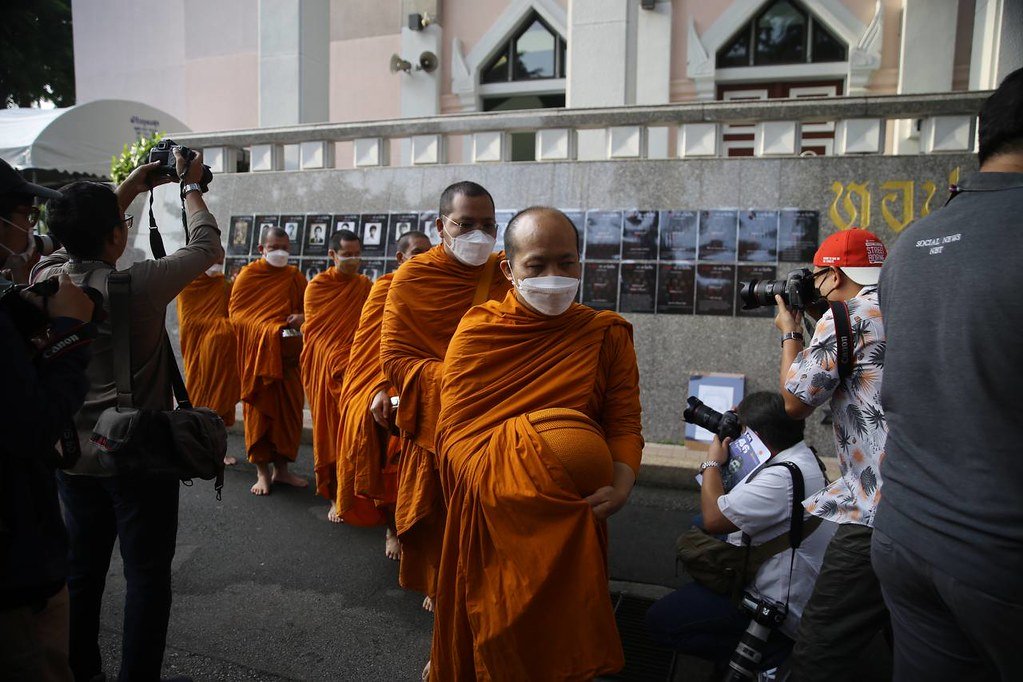
Fifty Years After the Thammasat Massacre, Thai Youth Still Face Jail for Dissent
Fifty years after a student demonstration against dictatorship ended in a massacre, Thailand’s latest generation of protesters says it still faces prosecution, jail or exile for speaking out. The Thammasat massacre 50th anniversary falls on Tuesday, Oct 6, 2026, and young activists organising the commemorations are defendants in criminal cases.
Nutthanit Duangmusit, 24, spent several months in pre-trial detention before being convicted under Thailand’s strict royal defamation law. She is one of nearly 300 people charged under the so-called lese majeste law since 2020. She is currently on bail while she appeals her conviction, and she has been helping organise Tuesday’s anniversary of the Oct 6, 1976 killings at Thammasat University.
“Back then, guns were fired and bodies lay on the ground,” Nutthanit told AFP as she walked through the campus. “Today, the violence comes through the law.”
What the Thammasat massacre 50th anniversary recalls
In one of the darkest chapters in modern Thai history, security forces and right-wing mobs massacred student protesters at one of the nation’s top universities. The crackdown followed the return of military dictator Thanom Kittikachorn, who had been ousted three years earlier.
Students gathered at Thammasat to oppose his return. At dawn on Oct 6, police and right-wing groups stormed the campus, shooting, beating and lynching protesters. The official toll was 46, though survivors believe more than 100 died. No state official was ever held accountable.
The military seized power on the evening of the massacre. Fifteen days later, Order No. 41 introduced a minimum jail term of three years for royal defamation and raised the maximum from seven to 15 years. That law remains in force.
A generation the law will not leave alone
Nutthanit was involved in youth-led protests that began in 2020, which drew tens of thousands onto the streets to demand democratic change. In 2022, Nutthanit, then 20, and others polled Bangkok passers-by about royal motorcades and the exercise of royal power. That and other political activities led to three convictions under lese majeste.
“As someone who went through every step of the justice system, from police and prosecutors to courts and prison, I can say that it is unjust and rotten,” Nutthanit said.
When many young protesters ended up in court, they were helped by lawyers including Krisadang Nutcharut, a Thammasat survivor. The 68-year-old expressed admiration for their courage, saying lese majeste reform was something “no one dares raise in my generation”. “Sure, they are jailed after talking but they dare to talk,” he said.
Thiraphop Tengprawat, 21, was charged with lese majeste over a satirical banner displayed on a Thammasat campus last October and is still waiting to hear if he will face trial. “The problems we face today have a history,” he said. “That violence was written into law, and it has endured for 50 years.”
The fight continues
Recent attempts to amend the lese majeste law have landed dozens of former and current MPs in court.
For Nutthanit, the battle is increasingly personal. In May 2024, her close friend Netiporn Sanesangkhom died in custody following a prolonged hunger strike. She was 28.
“Fifty years later, people are still dying for justice or being forced into exile,” Nutthanit said. “It feels as though Thailand keeps returning to the same place.”
Frequently asked questions
What was the Thammasat massacre?
On Oct 6, 1976, Thai police and right-wing mobs stormed Thammasat University and killed students protesting the return of ousted dictator Thanom Kittikachorn. The official toll was 46, though survivors believe more than 100 died. No one was ever punished.
Why does the Thammasat massacre 50th anniversary matter now?
Tuesday, Oct 6, 2026 marks exactly 50 years since the killings. Activists leading this year’s commemorations, like 24-year-old Nutthanit Duangmusit, are themselves facing charges under the lese majeste law, whose harshest penalties date back to the coup that followed the massacre.
What is lese majeste?
Thailand’s royal defamation law punishes criticism of the monarchy with three to 15 years in prison. Nearly 300 people have been charged since 2020, and critics say it is interpreted so broadly it targets dissent.