Thar Coal Gets Pricing Overhaul for Non-IPP Buyers
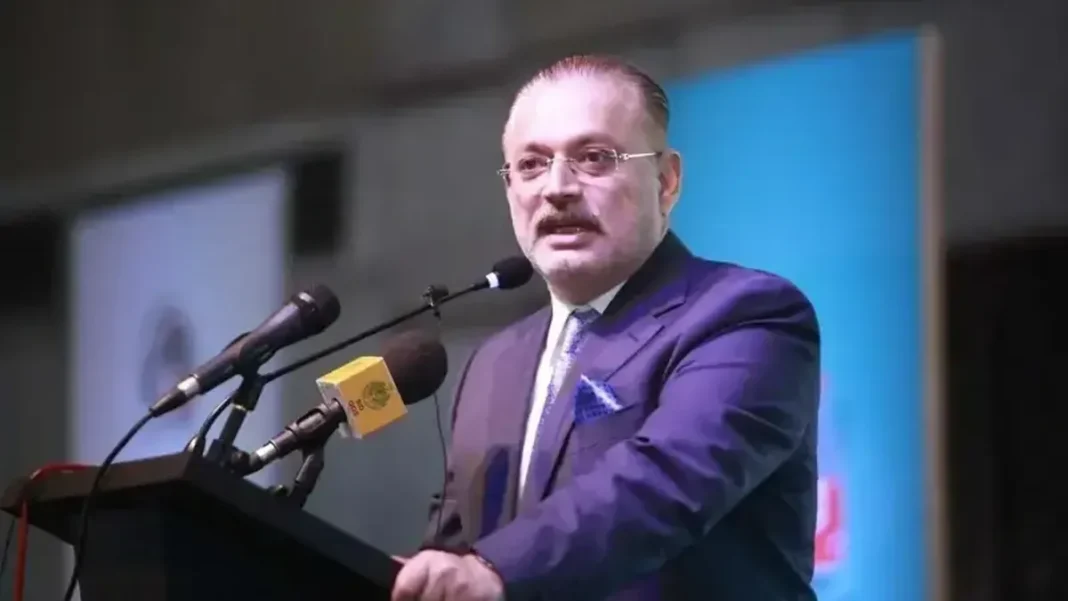
Sindh Chief Minister Syed Murad Ali Shah has approved a revised pricing mechanism for Thar coal sales to buyers other than independent power producers (IPPs), in a major push to expand the market for the indigenous fuel. The board also endorsed Rs9.66 billion in verified financial claims related to duties, taxes and workers’ profit participation.
The decisions were taken at the 31st meeting of the Thar Coal and Energy Board, chaired by the chief minister and attended by federal ministers. The board also approved tariff adjustments and reviewed progress on mining, transportation and energy infrastructure projects.
Thar coal: what the new pricing framework changes
The revised Chapter 3 of the Thar Coal Pricing Framework 2015 establishes a transparent mechanism for determining prices for non-IPP buyers, distinguishing between short- and long-term coal supply arrangements.
It also introduces safeguards to prevent double recovery of costs and ensure that benefits associated with capacity charges already paid by electricity consumers are duly credited to them.
Importantly, costs associated with coal sales to non-IPP buyers will not be passed on through IPP tariffs, protecting existing electricity consumers from additional financial burdens. The framework is aimed at attracting new buyers, encouraging wider industrial use of Thar coal and facilitating long-term investment.
The move matters because Thar’s coal has so far been sold mainly to power plants. Opening a transparent price for other buyers, such as industry, could widen the market for the fuel and cut reliance on imported coal. Pakistan spends heavily on energy imports. LUMS research put the yearly waste on energy imports at Rs3.5 trillion, and a grid failure alone added Rs400 billion to electricity bills.
Drying and briquetting to lift coal quality
The board reviewed progress on the Thar Coal Drying and Briquetting Project in Block-I, designed to reduce coal moisture content from 45 per cent to 18 per cent. With an intake capacity of 30 tonnes and an output of 22 tonnes per hour, the facility is expected to improve coal quality, transportation efficiency and freight economics.
Federal Energy Minister Sardar Awais Ahmed Khan Leghari congratulated the provincial government on the project’s launch.
Drier coal burns more efficiently and costs less to transport, which matters for buyers far from the mine. The project is part of a wider effort to make Thar coal usable beyond the mine-mouth power plants it currently feeds.
Rail link gathers pace
The Rs90.3 billion Thar Rail Connectivity Project, featuring a 105-kilometre railway line connecting Thar’s coal mines to New Chhor, has achieved 68 per cent physical progress.
Meanwhile, the process of inviting bids for a nine-kilometre double railway line between Bin Qasim and Port Qasim is under way, while construction of the coal-loading station in Block-II has reached 55 per cent completion. Shah directed the Energy Department to complete the loading station by March 2027.
The rail link will connect the mines to New Chhor, giving Thar coal a route to industry and ports. A coal train derailed in Lodhran earlier this week, underlining the strain on existing transport.
The pricing overhaul also sits alongside local concerns about the coalfield. Residents of Thar have raised rights and drought concerns around the mines, as a citizens’ forum documented this week.
The Tribune reported the board’s decisions on Friday.
Frequently asked questions
What changed in Thar coal pricing?
The Sindh government approved a revised Chapter 3 of the Thar Coal Pricing Framework 2015. It sets a transparent mechanism for prices charged to buyers other than independent power producers, with separate terms for short- and long-term supply.
Who buys Thar coal besides power plants?
At present, power plants are the main buyers. The new framework is aimed at industrial buyers and other long-term users, so the fuel can be sold more widely.
Will electricity consumers pay for the new sales?
No. The framework says costs linked to coal sales to non-IPP buyers will not be passed on through IPP tariffs, and safeguards prevent double recovery of costs.
What is the Thar rail link?
The Rs90.3 billion Thar Rail Connectivity Project is a 105-kilometre railway line from Thar’s coal mines to New Chhor. It has reached 68 per cent physical progress.
When will the coal-loading station be ready?
Construction of the coal-loading station in Block-II has reached 55 per cent completion. The chief minister has directed the Energy Department to complete it by March 2027.