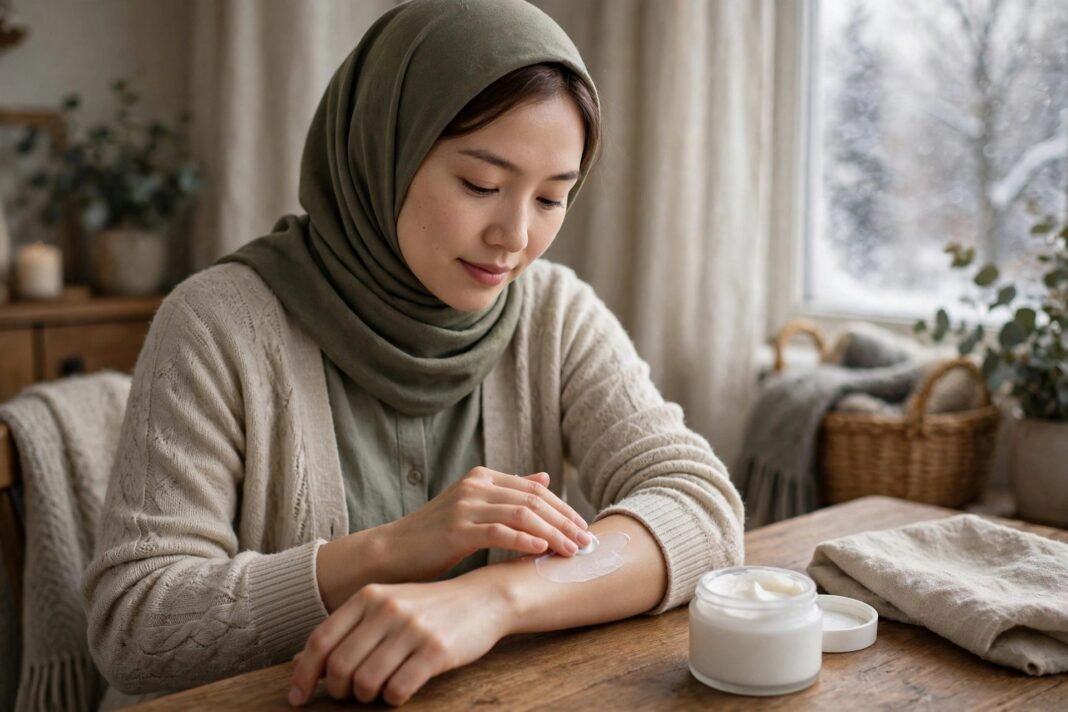
The cold sets in, and your period arrives right on time. Yet this month it feels worse than usual. The cramps bite harder, your back aches more, and your mood sinks lower. Many women find their periods worse in winter, and the pattern feels very real.
There is no single proven reason for it. Instead, several winter factors can add up at once. Cold weather, short days, less movement and lower vitamin D can each make pain feel harder to carry. As a result, a normal period can feel like a much tougher one.
This guide looks at why winter can make periods feel worse. It also shares simple steps that can help you through the cold months. If period pain troubles you in every season, our guide to period pain and PMS through the seasons may help too.
Periods Worse in Winter: Is It Real?
Many women notice the same pattern each year. Their periods feel heavier, more painful, or simply harder to cope with in winter. In fact, the change often starts in late autumn, as the days grow short and cold.
Doctors have not found one single cause for this pattern. However, they do know that pain feels worse when the body is cold, tired, or low in mood. So winter can turn a normal period into a harder one, even if the period itself has not changed.
That does not mean the pain is in your head. Pain is real, whatever the season. The good news is that small changes can make a real difference.
Why Cold Weather Makes Cramps Feel Harder
Period pain happens when the womb tightens to shed its lining. This tightening is a normal part of the menstrual cycle. Yet the cramps can spread to your back and thighs, and the ache can last for up to three days.
Cold weather can make any muscle feel tighter. When you are cold, your body tenses up to keep warm. As a result, the muscles around your tummy and back may already be tight before a cramp even starts.
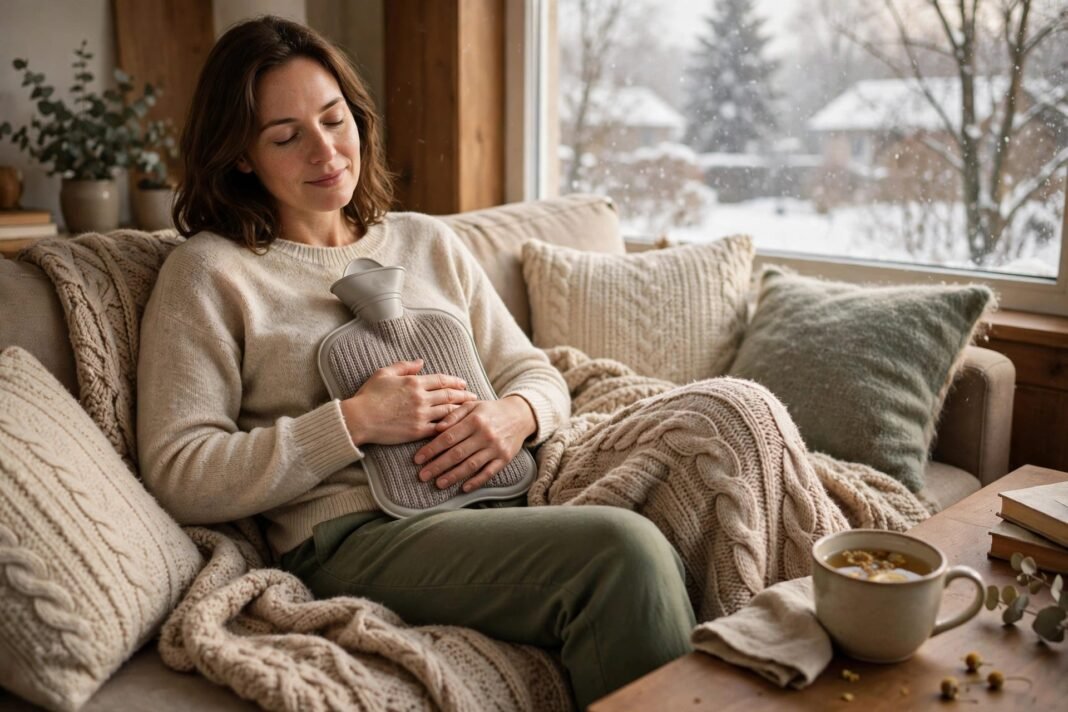
Warmth does the opposite. It helps muscles relax, and that is why heat is one of the best-known comforts for period pain. A warm bath, a heat pad, or a hot water bottle wrapped in a tea towel can all help. You can read more about what eases period pain on the NHS website.
Less Sunlight, Lower Mood, Harder Periods
Winter days are short, and sunlight is scarce. Less light can lower your mood, and a low mood can make pain feel worse. In other words, the same cramp can feel much harder on a dark, grey day.
Mood and pain are closely linked. When you feel low, you notice pain more. You also have less energy to cope with it. So the winter blues can turn a normal period into a difficult few days.
Getting outside in daylight can help, even on a cloudy day. A short walk at midday gives you light, fresh air, and gentle movement all at once.
Short days can also disturb your sleep. Poor sleep leaves you tired, and tiredness makes pain harder to handle. So try to keep a regular bedtime, even on dark winter evenings. A rested body copes with pain much better than a tired one.
Periods Worse in Winter and the Vitamin D Dip
Vitamin D comes mainly from sunlight on your skin. From October to early March, the sun is too weak in many places to make enough. As a result, vitamin D levels often dip in winter.
Health guidance advises adults to consider a daily supplement of 10 micrograms of vitamin D during autumn and winter. Food can help too. Oily fish, red meat, egg yolks, and fortified foods all contain vitamin D. The NHS vitamin D page explains the amounts and the food sources in full.
Low vitamin D is linked to tiredness and low mood. It does not directly cause period pain, but feeling tired and low can make any pain harder to bear. Tiredness can also come from low iron, which heavy periods can cause, so read our guide to anaemia and weakness in women if you often feel drained. If you feel run down every winter, it is worth talking to a healthcare professional.
How Less Movement in Winter Adds to the Pain
Cold days keep most of us indoors. We walk less, sit more, and move less. As a result, the body stiffens up, and stiffness can make cramps feel worse.
Gentle movement helps period pain. Walking, swimming, cycling, and yoga can all ease cramps. Movement keeps blood flowing, and it helps the body release its own natural painkillers.
You do not need a hard workout. A short walk or a few gentle stretches can be enough. The key is to keep moving, even a little, through the cold months.
What Helps: Warmth First
Warmth is the simplest comfort for winter periods. A warm bath or shower can relax tense muscles. A heat pad or hot water bottle on your tummy can ease cramps within minutes.
Dress warmly too. Layers, warm socks, and a cosy blanket can keep the chill away. When your body feels warm, your muscles stay relaxed.
Painkillers such as paracetamol or ibuprofen can help as well. Always follow the instructions on the pack, and ask a pharmacist if you are unsure. Warm drinks can help too. A cup of herbal tea or warm water can feel soothing. Above all, listen to your body and rest when you need to.
Periods Worse in Winter: Gentle Movement That Helps
It can be hard to move when cramps strike. Yet gentle movement is one of the best things you can do. It does not need to be hard or tiring.
Try a slow walk around the block. Gentle stretching on the floor is another good choice. Yoga poses that open the hips and relax the back can also help.
If the weather is too cold to go out, move indoors. Walk around your home, dance to a favourite song, or stretch while you watch television. Small amounts of movement still count.
Food, Drink and Rest During a Winter Period
Winter often brings heavier food and less water. Yet staying hydrated matters during your period. Water helps your body work well, and it can ease bloating.
Iron-rich foods can help too, because periods use up iron. Red meat, beans, lentils, and leafy greens are all good sources. Cutting down on alcohol and not smoking may also help ease period pain.
Rest is just as important as food. Short days can leave you tired, and a period adds to that tiredness. So give yourself permission to slow down. An early night can do more good than pushing through.
Tracking Your Symptoms Through the Cold Months
A simple diary can show you the pattern. Note when your period starts, how bad the pain is, and how you feel. After a few months, you may see a clear winter pattern.
Tracking also helps you plan. If you know your worst days often fall in the coldest weeks, you can prepare. Keep heat pads ready, plan lighter days, and stock up on comforts.
A symptom diary is useful for your doctor too. If your periods become more painful, heavier, or irregular, take your notes with you. Clear notes help a doctor understand what is happening.
Your diary can also show what helps. Note which comforts eased the pain and which did not. Over time, you will build a personal list of what works for you. That list is worth keeping, because it makes each winter a little easier.
When to Talk to a Doctor About Period Pain
Most period pain is normal and eases within a few days. However, some pain needs medical advice. See a doctor if your periods become more painful, heavier, or irregular.
Also seek help if pain stops you doing your usual daily activities. Pain during sex, bleeding between periods, or pain when you pee or poo are also reasons to talk to a doctor.
Sometimes painful periods come from a condition such as endometriosis, fibroids, or pelvic inflammatory disease. These conditions can be treated, but only if they are found. So do not suffer in silence.
What helps you most when your period arrives in the cold months? Share your tips in the comments, because your idea may help another woman through her winter.
This article is for general information only. It is not medical advice. If you are worried about your periods, please talk to a healthcare professional.