Pakistan Calls for Fairer Global Order at UN
- Suggested slug: pakistan-fairer-global-order-un-security-council-october-2026
- Category: World News
- Focus keyphrase: Pakistan fairer global order UN
- SEO title: Pakistan Calls for Fairer Global Order at UN
- Meta description: Pakistan’s UN envoy opposed new permanent Security Council seats, urged UN-led governance of military AI and warned against new security risks from emerging technologies.
- Tags: Pakistan, United Nations, Usman Jadoon, Security Council reform, military AI, WMD, Syed Atif Raza, foreign policy, international law
- Original element: our own data point from prior coverage — this week’s interventions extend Pakistan’s consistent UN line seen in our Oct 16 Security Council and Oct 19 Palestine resolution stories
- Sources: Dawn (https://www.dawn.com/news/2039416)
- Date: Saturday, 2026-10-24 (interventions made during UN debates this week)
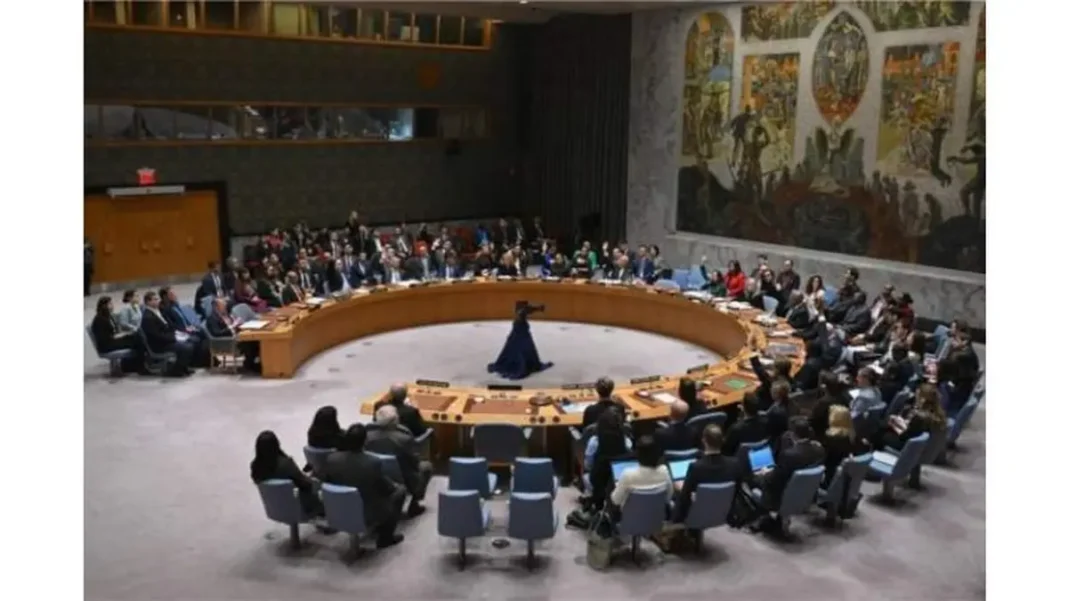
Pakistan has called for a more representative international order and consistent application of international law during a series of debates at the United Nations this week, covering Security Council reform, military artificial intelligence, weapons of mass destruction and conflicts in the Middle East.
Addressing the General Assembly on Thursday, Pakistan’s acting permanent representative, Ambassador Usman Jadoon, opposed the creation of additional permanent seats on the Security Council, arguing that this would perpetuate existing inequalities.
“The question is not whether the Council should be reformed, but how to make it more representative, democratic, transparent and accountable,” he said.
No new permanent seats
Pakistan’s position was that Council reform should expand the elected, non-permanent membership through regular elections and fair regional rotation, while giving adequate representation to Africa and other underrepresented regions.
The stance is consistent with Pakistan’s long-held opposition to the G-4 push for new permanent seats. It comes as reform debates gather pace again, with several groupings pressing for structural changes to a Council whose composition still reflects the balance of power of 1945.
Mr Jadoon’s intervention framed the issue around developing-country interests: a fairer Council, in Pakistan’s view, is one where smaller and mid-sized states rotate through elected seats rather than one where a handful of new permanent members entrench their advantage.
Military AI and new security risks
On military artificial intelligence, Mr Jadoon called for inclusive, UN-led governance of the technology, warning that it could accelerate military decision-making and increase escalation risks — particularly in situations involving nuclear weapons. He stressed the need for meaningful human control over autonomous weapons systems.
At the General Assembly’s First Committee, Counsellor Syed Atif Raza warned that advances in AI, synthetic biology and the life and chemical sciences were creating new security risks. He called for safeguards against the misuse of scientific developments without restricting developing countries’ access to their peaceful applications.
Pakistan also reaffirmed its commitments under the biological and chemical weapons conventions, stressing verification and international cooperation.
A consistent UN line
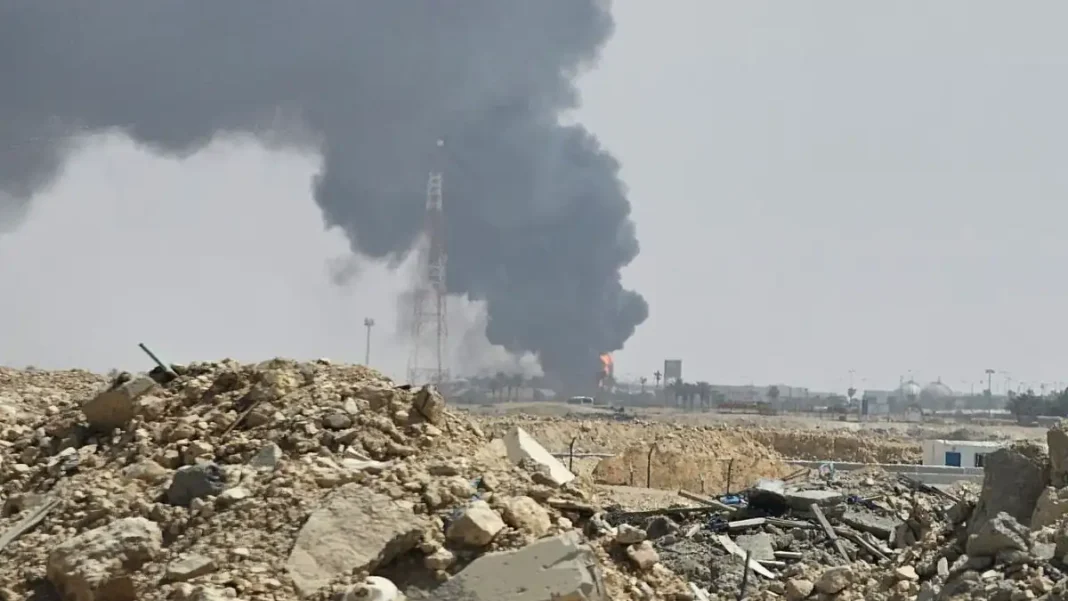
The week’s interventions extend a pattern visible in Pakistan’s recent UN diplomacy. Last week, Ambassador Jadoon condemned Houthi attacks on Saudi Arabia at a Security Council debate while laying out Pakistan’s positions on Gaza and humanitarian law. Earlier, Pakistan had urged the UN to act on Palestine and demanded full implementation of Resolution 2803, and called for self-determination for Kashmir and Palestine at the UN.
The through-line across these positions is the same: multilateral rules applied consistently, developing-country interests protected, and international law enforced without selectivity. This week’s call for a fairer global order is that argument restated at the level of the system’s architecture — not just what the rules say, but who gets to write and enforce them.
Why it matters
Security Council reform is one of the slowest-moving dossiers in world politics; most reform pushes have died in committee rooms over decades. But the politics around it are shifting, with the African Union’s Ezulwini Consensus demanding two permanent African seats and other blocs circling their own proposals.
Pakistan’s intervention, read against this week’s parallel warnings on military AI and emerging technologies, amounts to a broader case: the institutions built for the last century’s wars are being asked to govern this century’s risks. As Russia’s strikes on Ukraine’s energy infrastructure and other conflicts test the limits of existing mechanisms, Islamabad is staking out its ground on the reform side of the argument.