Saudi Coalition Intercepts Houthi Ballistic Missile Aimed at Riyadh
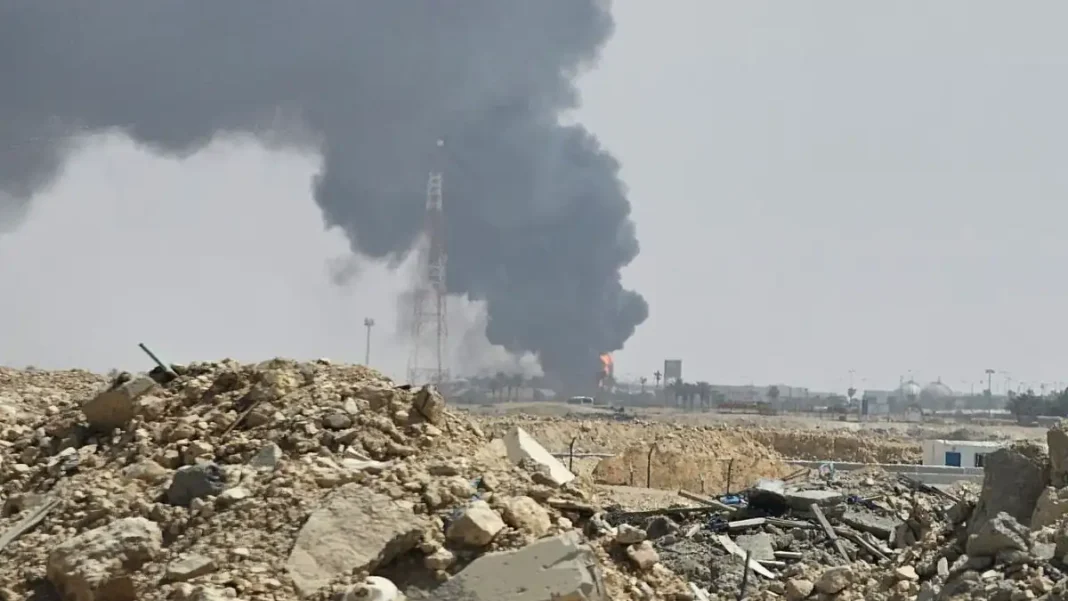
The Saudi-led coalition fighting Yemen’s Houthis says it intercepted a Houthi missile launched towards Riyadh early on Saturday. Two explosions rang out in the Saudi capital, an AFP journalist there reported.
Saudi civil defence said it activated an early-warning system to alert residents to the potential threat. The interception was reported on Dawn’s live coverage of the wider regional conflict at 7:46am Pakistan time on Saturday.
The Houthis have kept up strikes on the kingdom in recent weeks. A day earlier, the coalition said it had intercepted and destroyed another Houthi ballistic missile, that one targeting the Saudi city of Khamis Mushait.
Houthi missile Riyadh attack lifts oil prices
The strike attempt rattled energy markets overnight. Brent crude futures gained $3.18, or 2.81 per cent, to $116.35 a barrel, with a session high of $117.45 — the highest in nearly six months, since late April. US West Texas Intermediate crude climbed $3.50, or 3.52 per cent, to $102.97.
The price jump reflects concern that further Houthi attacks in Saudi Arabia could disrupt energy supplies from the Middle East. The move came alongside reports of an oil spill off the UAE coast, adding to supply anxiety.
What it means for Pakistan
For Pakistani readers, the oil price spike is the most direct consequence. Pakistan imports nearly all of its petroleum, so sustained Brent prices above $115 feed straight into the import bill and, with a lag, into domestic fuel prices.
The pressure comes at a sensitive moment: fuel dealers have already urged consumers to avoid panic buying amid supply concerns, and any prolonged disruption in the Gulf would complicate the government’s fuel pricing decisions in the next fortnightly review.
The regional escalation also formed part of the agenda at this week’s R4 talks in Istanbul, where Pakistan joined discussions on the energy crisis and its economic fallout.
Wider regional picture
The Riyadh interception sits inside a fast-moving regional confrontation. It is the second interception in two days: the coalition also intercepted Houthi drones and a missile earlier in the week, while the Houthis claimed strikes on the Saudi defence ministry and Aramco facilities at Yanbu.
The same live feed reported that the European Commission announced an additional €22.5 million in humanitarian assistance for Yemen, bringing its 2026 total to €110 million, as renewed fighting displaces thousands.
US Treasury Secretary Scott Bessent claimed Washington’s economic campaign had “decimated every layer of Iran’s oil lifeline”, while President Donald Trump reiterated his claim over the Strait of Hormuz, telling reporters it was “totally ours and that’s the way we’ll keep it”.
What happens next
Whether the Houthis sustain the tempo of strikes on Saudi cities will determine both the security response and the oil market’s direction. A second consecutive day of interceptions suggests the coalition’s air defences are active — but also that the threat is persistent. Pakistan’s next fuel price review will be the first domestic test of how far the $116 oil price filters through.
Frequently asked questions
What happened over Riyadh on Saturday?
The Saudi-led coalition said it intercepted a Houthi ballistic missile aimed at Riyadh early Saturday. Two explosions were heard in the capital and civil defence activated an early-warning system.
How did oil prices react?
Brent crude rose to $116.35 a barrel, its highest in nearly six months, on concerns that Houthi attacks could disrupt Middle East energy supplies.
Why does this matter for Pakistan?
Pakistan imports most of its petroleum, so higher Brent prices raise the import bill and can push up domestic fuel prices at the next fortnightly review.