Vehicle Overloading Fines Increased by Government
Vehicle overloading fines and punishments will rise after the Cabinet Committee on Disposal of Legislative Cases approved proposals to tighten the rules. The committee also cleared draft legal changes on the petroleum levy, the climate support levy and business regulations.
The meeting was chaired by Law Minister Azam Nazeer Tarar. It reviewed a set of legal and administrative matters covering overloading, petroleum levies and business rules, and approved the overloading proposals with recommendations.
The legal drafts approved by the committee will now go to the relevant forums for further action and final progress. No new fine amounts were announced in the committee’s decision, and the final rates will be set through the next stage of approval.
Vehicle overloading fines: why the rules are being tightened
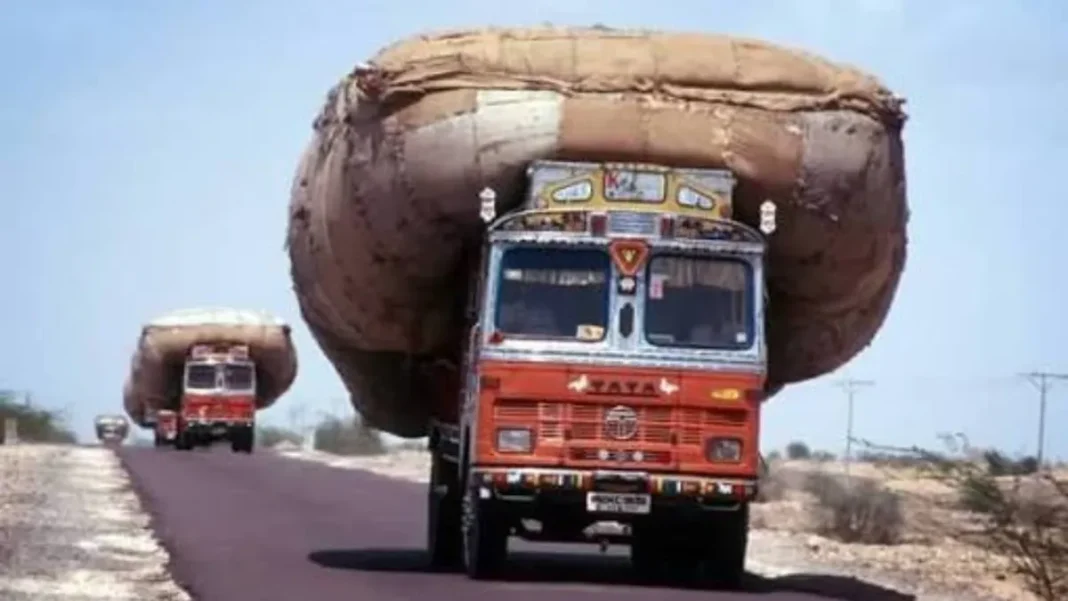
Overloaded trucks are a daily sight on Pakistan’s highways and motorways. Trucks piled high with goods beyond their legal axle load damage road surfaces, shorten the life of bridges and raise the risk of accidents, especially on long downhill runs and sharp turns.
Tighter fines aim to change the maths for operators who overload to save trips. When the penalty is lower than the saving from one extra load, the rule is ignored. Higher fines, paired with enforcement on the road, are meant to close that gap.
The move also matters for the road budget. Every rupee spent repairing damage caused by overloading is a rupee not spent on new lanes, safety barriers or maintenance elsewhere. For freight moving between Karachi port and up-country markets, the condition of the national highways directly affects delivery times and costs.
Other decisions from the same meeting
The committee granted in-principle approval to the National Highways and Motorway Police Seniority Rules 2026. Those rules govern seniority within the force that polices the motorways, and they form part of the wider effort to put highway enforcement on a firmer footing.
Draft legal amendments on the petroleum levy and the climate support levy were also approved. Both levies feed into fuel pricing and climate spending, so changes to their legal base are watched closely by consumers and businesses alike.
The committee also approved proposed rules for setting up and running the Easy Business Technical Unit and the Pakistan Regulatory Registry. Both bodies are meant to cut red tape for businesses by giving them a single point of contact and a clear record of regulations.
What happens next
The approved drafts now move to the relevant forums for final approval. Until those forums act, the existing fines stay in place, and the new penalties will not apply.
For transporters, the signal is clear: the government plans to enforce load limits more strictly. Operators who adjust loads now will avoid the higher penalties when the new rules take effect.
Feature Pakistan also covered the warning over panic buying of fuel, concerns in the Senate over a petrol shortage in December, the petrol price at Rs387.40 and diesel at Rs400.35 per litre and the road accidents in Buner and Charsadda that killed eight people.
Frequently asked questions
What did the cabinet committee approve on overloading?
It approved, with recommendations, proposals to increase fines and punishments for vehicle overloading. Final rates will be set at the next stage of approval.
Who chaired the meeting?
Law Minister Azam Nazeer Tarar chaired the Cabinet Committee on Disposal of Legislative Cases.
What else was approved?
In-principle approval for the National Highways and Motorway Police Seniority Rules 2026, draft amendments on the petroleum levy and climate support levy, and rules for the Easy Business Technical Unit and the Pakistan Regulatory Registry.
When will the new fines apply?
Only after the relevant forums give final approval to the drafts. The existing fines remain in force until then.