Bill Gates Warns AI Could Bring 20 Years of Turmoil
The Bill Gates AI warning is blunt: artificial intelligence could bring two decades of economic and social upheaval, even if the technology is handled well. The Microsoft co-founder said societies must prepare for winners and losers before any era of abundance arrives.
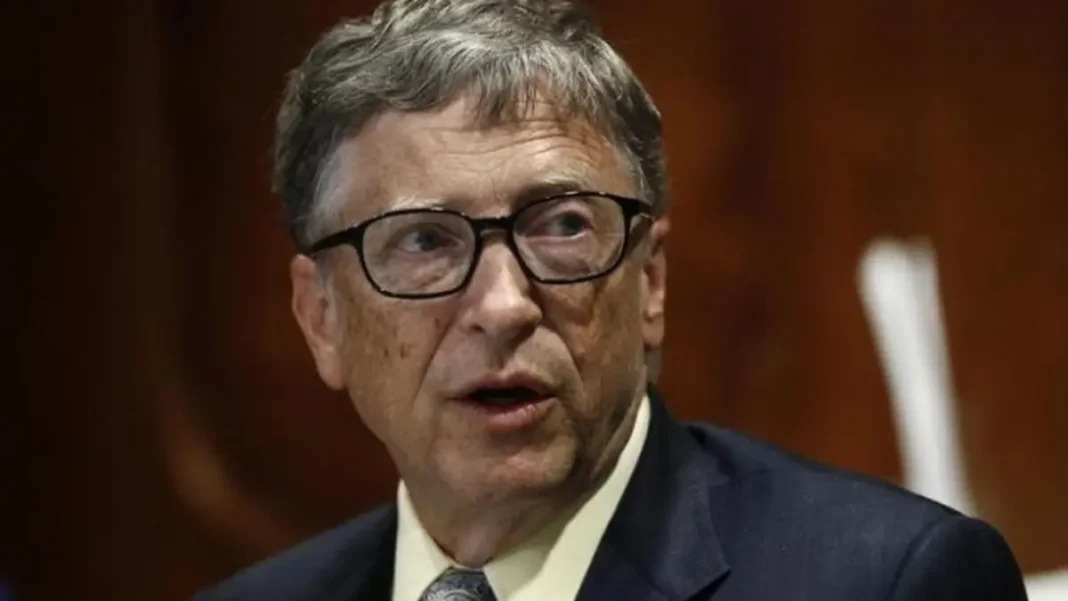
Gates, 70, gave the warning in an interview with the Decoder podcast posted on Thursday. He said the shift to an AI-driven economy would disrupt jobs and raise hard questions about the role of people in society.
“My big concern is this 20-year transition period, where they’ll have winners and losers and a lot of disruption,” Gates said. He added that society would have to get through the upheaval before it could reach a more abundant future.
Bill Gates AI warning: a transition, not a single event
Gates described the 20-year figure as an estimate, not a firm prediction. He said the transition could run shorter or longer, depending on how fast the technology advances and on decisions about slowing its development.
He said advances in AI and humanoid robotics could eventually let machines carry out much of the physical labour now done by people. That includes building homes, growing food, and even performing surgery.
At the same time, Gates said such advances could reduce shortages of goods and services. He suggested societies might still choose to reserve certain activities for humans, including childcare, food preparation, arts, and sport.
Oversight must come from governments, not firms alone
Gates also warned that governments and society are not ready for the pace of change. He pointed to the potential benefits of AI in healthcare and agriculture, but said preparation has lagged behind the technology.
He urged stronger government oversight and technical safeguards against cyberattacks and biological threats. In his view, AI companies alone cannot carry the responsibility for managing these risks.
Gates said even under the most favourable circumstances, AI could bring one of the most tumultuous periods in human history. He said he disliked delivering such a warning, but staying silent would be worse, adding that humans still have choices to make about how they shape the technology.
Why the warning matters for Pakistan
The warning lands at a time when job disruption from AI is already a live debate in Pakistan. Feature Pakistan has reported on tech layoffs in 2026, with about 135,000 jobs cut worldwide, a trend driven in part by automation and restructuring at large firms.
For Pakistani readers, the practical question is skills. Workers in customer service, data entry, and routine office roles face the earliest pressure from AI tools, while demand grows for people who can build, check, and apply those tools. Gates’s 20-year frame suggests this is a long adjustment, not a single shock, and that training and safety nets will matter as much as the technology itself.
Pakistan also has a direct link to Gates through public health. The Gates Foundation is a long-standing partner in the global polio effort, and Pakistan remains one of the last countries where polio still circulates. Feature Pakistan covered Rotary’s renewed commitment to ending polio in Pakistan on World Polio Day. That work shows the other side of Gates’s message: the same technologies he warns about can also serve health and agriculture, if governments set the rules.
What happens next
No new policy followed the interview. Gates did not announce a fresh initiative, and no government has yet responded with a plan tied to his 20-year warning. The debate now moves to regulators and lawmakers, who face pressure to set oversight rules before AI systems grow more capable.
For workers, the near-term signal is clear. Jobs will change in stages, some roles will shrink, and new roles will appear around AI systems. The societies that plan for that shift, Gates argued, will handle it better than those that wait for it to arrive.
Frequently asked questions
What did Bill Gates warn about AI?
He warned that AI could cause about 20 years of economic and social disruption, with winners and losers, even if the technology is managed well.
When did Gates give the warning?
In an interview with the Decoder podcast posted on Thursday, ahead of the report published on Saturday, October 24, 2026.
Did Gates say AI has benefits too?
Yes. He pointed to potential gains in healthcare and agriculture, but said governments are not yet prepared for the pace of change.