Ras Al Khaimah Shuts All Beaches as Oil Spill Spreads
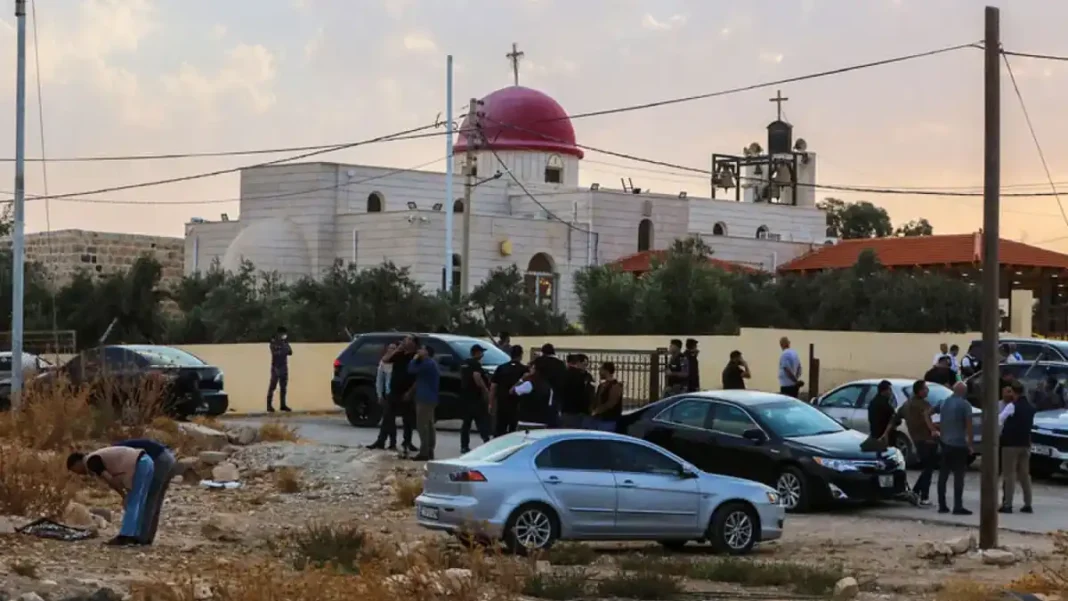
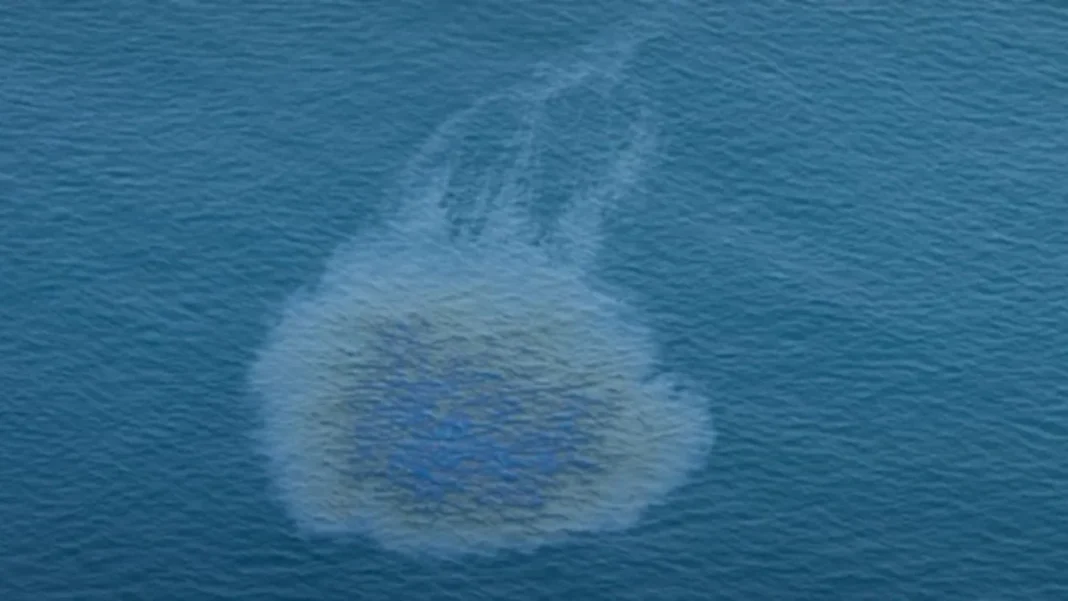
Ras Al Khaimah has closed all of its beaches until further notice as an offshore oil spill spreads along the northern coast of the United Arab Emirates. Ras Al Khaimah beaches will stay shut after an oil leak from a tanker offshore prompted beach closures in neighbouring Umm Al Quwain and Sharjah a day earlier.
The Public Services Department announced the closures in a statement shared by Ras Al Khaimah Police General Headquarters. No reason was given in the statement itself, but the closure follows a week of growing concern over the spill.
Ras Al Khaimah beaches: closures spread along the coast
The United Arab Emirates said on Friday that efforts were under way to contain oil leaking from a tanker offshore, with its Ministry of Climate Change and Environment conducting an environmental assessment. All beaches and coastal areas around the city of Umm Al Quwain were temporarily closed until technical teams completed their assessments and determined the safety and marine protection measures needed.
The ministry also urged fishermen and other sea users to avoid affected areas and follow official instructions. Authorities in Sharjah temporarily closed Al Hamriyah Beach, on the UAE’s northern coast near the border with Umm Al Quwain, as a precaution, the Sharjah Government Media Bureau said.
Residents reported unusual odours in parts of Sharjah, Ajman and Umm Al Quwain, but the UAE’s environment ministry said they posed no health risks. The smell remained pungent across Umm Al Quwain on Friday. UAE authorities have not named the tanker involved in the incident or said what caused the spill.
How the spill developed: a week-long timeline
The leak has a longer history than the beach closures suggest. Shipping sources identified the vessel as the tanker Gem No.2, which was struck by an unidentified projectile off the UAE coast on October 9, causing a fire that was later put out. All 22 Indian crew members were rescued, according to India’s consulate in Dubai.
Oil was first seen leaking from the vessel on October 19. On October 20, the maritime intelligence firm Windward identified a slick roughly 25 kilometres off Umm Al Quwain, and its drift modelling warned that the oil could reach seawater intakes for desalination plants serving Sharjah and Ajman. By midweek, satellite analysis showed the slick had stretched more than 35 kilometres, and one researcher estimated it covered about 160 square kilometres.
That timeline explains why the closures have spread in stages. Umm Al Quwain acted first, closing all of its beaches and coastal areas. Sharjah followed with Al Hamriyah Beach. Ras Al Khaimah’s decision on Saturday extends the shutdown further north along the coast, closing every public beach in the emirate until further notice.
Why the spill matters beyond the beaches
The closures are a precaution, but they point to wider risks. The Gulf’s northern Emirates rely on desalination plants for fresh water, and a slick drifting toward seawater intakes is a direct concern for those plants. Fishermen have been told to keep clear of affected waters, which cuts into their catch during the closure period.
The incident also sits inside a wider pattern. Since the start of the US-Israeli war with Iran, attacks on commercial vessels in Gulf shipping lanes have heightened concerns about maritime security and the conflict’s environmental fallout. A spill from a damaged tanker is one of the most visible forms of that fallout, since oil does not respect maritime boundaries.
The closures matter for the region’s large South Asian expatriate communities, including Pakistanis living and working across the Emirates. Beach closures, odours and fishing restrictions are felt most by ordinary residents, not only by tourists. Ras Al Khaimah is known for its beaches and resorts, and a shutdown until further notice will also weigh on the emirate’s hospitality trade.
What happens next
The next steps depend on the technical teams now assessing the spill. Their findings will decide when beaches reopen, starting with Umm Al Quwain, where the closures began. The environment ministry’s assessment will also shape the clean-up, which must deal with oil that has already spread over a wide area of sea.
The unanswered questions remain the cause of the original strike on the tanker and the identity of those behind it. No group has publicly claimed the October 9 strike. Until the authorities name the vessel formally and explain the cause, the incident will remain an open file in a region already on edge.