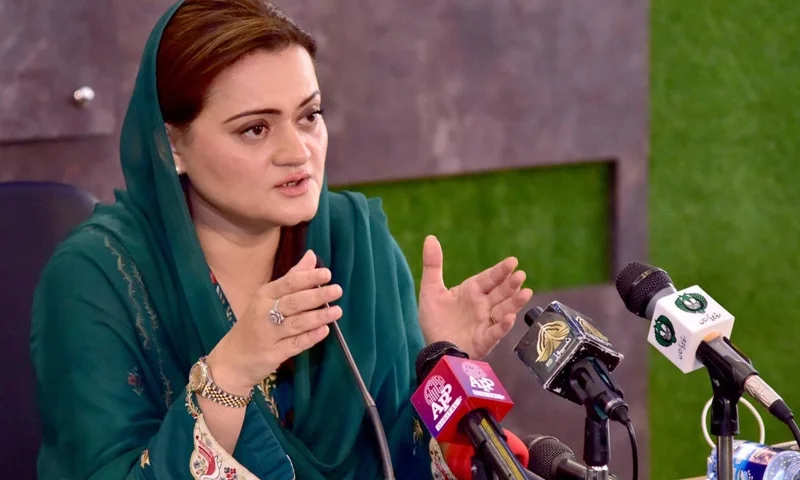
Punjab Chief Minister Maryam Nawaz has directed the enactment of the country’s first film royalty law, while approving a rebate plan for Punjabi and Urdu films to be made in the province. Senior Minister Marriyum Aurangzeb announced the decisions while presiding over the maiden meeting of the Punjab Film Authority.
The proposed film royalty law will be presented at the next meeting of the authority, Aurangzeb was quoted as saying in a press release on Sunday. That detail matters: the law has been ordered, not yet passed, and its draft will come before the authority first.
Under the rebate plan, films made in Punjab will receive a rebate of 35pc for Punjabi films and 20pc for Urdu films. The rebate policy is expected to provide financial support to filmmakers, encourage quality film production and attract investment to the industry.
What the first film royalty law would mean for filmmakers
A royalty law, in plain terms, sets out how creators are paid when their work is used again. The Punjab proposal is the first of its kind in the country, according to the announcement, but the draft itself has not yet been published. Filmmakers will therefore be watching the authority’s next meeting closely, since the draft will show who qualifies, what triggers a payment, and how it is collected.
The rebate rates also send a clear signal about language. Punjabi films, which form the core of Lahore’s film tradition, will receive the higher rate of 35pc. Urdu films made in Punjab will receive 20pc. The gap between the two rates suggests the province wants to give its home-language cinema the stronger push, while still supporting Urdu productions made on its soil.
The meeting also decided to introduce an online one-window facility to help filmmakers identify suitable shooting locations. That step, if it works as planned, would cut one of the practical barriers to filming in Punjab: finding and clearing locations without running between departments.
Film City, cinemas and training in the same package
The royalty law and rebate plan sit inside a wider package that the meeting described as the biggest-ever provincial intervention to revive the cinematic heritage and establish Punjab as a hub of film, drama, culture and tourism. A Film City is set to be inaugurated on December 15 in Lahore, as covered in our report on the Punjab Film City opening.
The proposed Film City will feature a film and music school, a film museum, a film trading house, a post-production facility, a studio complex, state-of-the-art film studios and Pakistan’s largest convention centre. The Film City Authority’s budget of over Rs589 million for the financial year 2026-27 was referred to the financing committee for review.
Approval was granted to recruit 26 employees for the film authority in the first phase, against 53 sanctioned posts. The authority’s board will have the power to make appointments and dismissals. The meeting also reviewed progress on the establishment of six committees, including the Punjab Film Fund Committee.
Other decisions aimed at reviving the film industry, promoting modern filmmaking and restoring Lahore’s position as a centre of the country’s film industry were also taken at the meeting. They included measures for the restoration of old cinemas, installation of solar systems and provision of affordable entertainment facilities to the public. The meeting decided to introduce an online booking system for cinemas.
A training programme was also approved to enhance the skills of young filmmakers, with international experts to provide training in modern filmmaking techniques. Aurangzeb said the chief minister wanted Punjab to become a global-standard screen tourism destination within five years.
What happens next
Three dates now matter. The first is the authority’s next meeting, when the draft royalty law is due to be presented. The second is December 15, when Film City is set to open in Lahore. The third is the five-year horizon Aurangzeb set for screen tourism, which will judge whether these decisions revive production or simply add another announcement to the file.
For filmmakers, the immediate questions are practical. They will want to know how the rebate is claimed, when it is paid, and whether the royalty draft covers past work or only new productions. Until the draft appears, the honest position is that Punjab has ordered the country’s first film royalty law, and the detail is still to come.
Source reporting: Dawn.