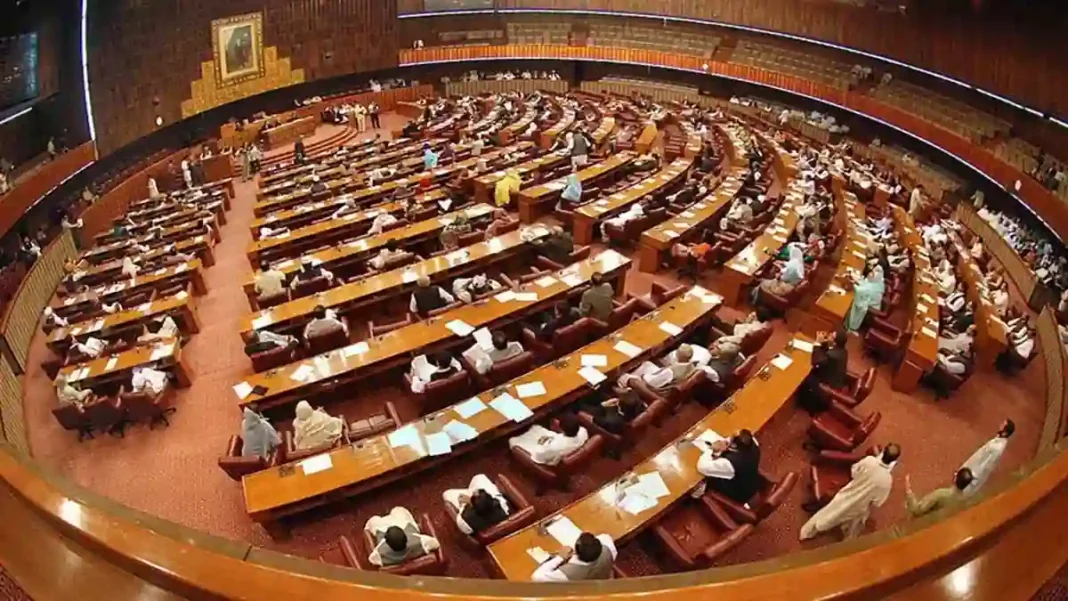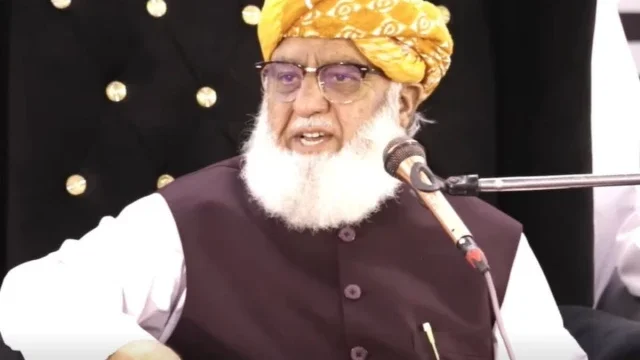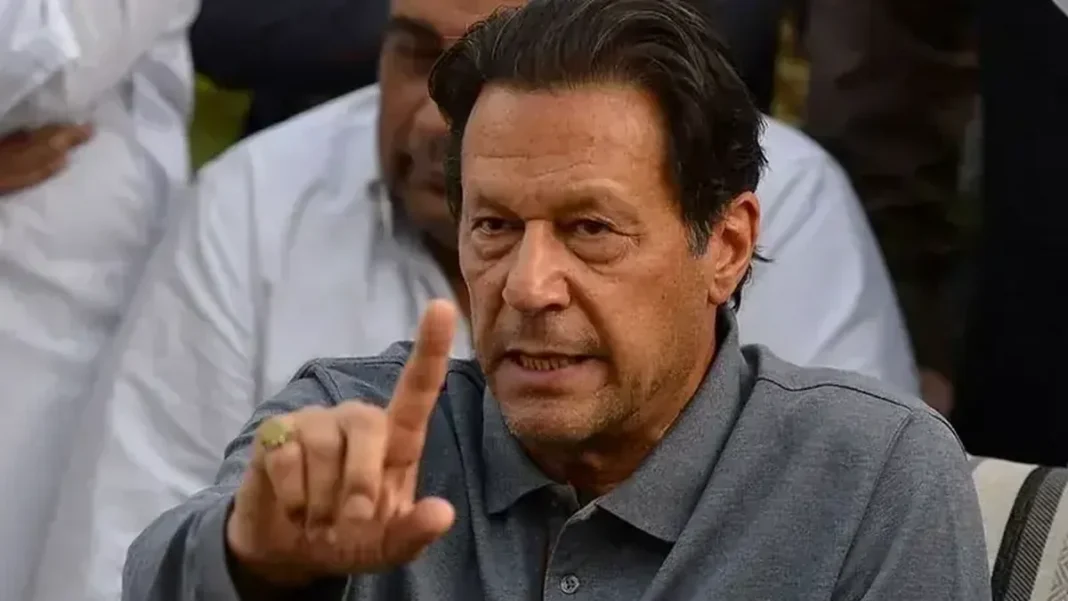
The PTI committee shake-up reported in recent days has been denied by the party, which says its core committee has not been sidelined and its powers have not been handed to another body. The party’s central information secretary, Sheikh Waqas Akram, said the core committee, the political committee and the parliamentary party were separate forums, each with its own distinct responsibilities.
Organisational and political decisions fell within the remit of the core and political committees, he said, while the parliamentary party dealt with legislative and parliamentary issues. The parliamentary party’s recommendations were given due consideration and could be referred to the relevant committees, he added. Final authority over all decisions rested with PTI founder Imran Khan, who had delegated powers to the committees.
PTI leader Naeem Haider Panjutha told Dawn that during a meeting, Barrister Ali Zafar had suggested strengthening the parliamentary committee, but it was just a recommendation and no such decision was made.
What the PTI committee shake-up reports claimed
The reports that the party rejected said the core committee had been sidelined, or its powers re-designated to another body. Panjutha explained the background. Imran Khan had entrusted the political committee with the authority to make decisions, while directing that the core committee should also be taken into confidence before decisions were finalised.
The core committee had a large membership, which made decision-making difficult, Panjutha said. That was one of the reasons for forming the political committee: to facilitate decisions and reduce the chances of discussions being leaked. There was also a proposal to include heads of the party’s organisational bodies in the political committee.
“Subsequently, the mandate for the movement and negotiations was given to Mahmood Khan Achakzai and Raja Nasir Abbas, while Sohail Afridi was entrusted with the authority to lead the street movement. How can any change be made without Imran Khan’s approval?” Panjutha questioned.
The PTI also rejected a statement attributed to PTI interim chief Barrister Gohar Ali Khan suggesting that the Khyber-Pakhtunkhwa chief minister could have avoided detention by staying in Mardan, but travelled to Peshawar as part of a pre-planned master plan.
Imran and Bushra’s detention raised again
In a separate statement, the party condemned the prolonged detention of its founder and his wife, the denial of their fundamental and constitutional rights, and the use of state machinery to intimidate political opponents.
The party warned that continued disregard for constitutional safeguards, due process and the sanctity of private homes was setting an alarming precedent that could threaten the rights and freedoms of all citizens.
Akram claimed that Imran Khan had spent 1,177 days in detention at Adiala Jail, including 356 days in solitary confinement, while Bushra Bibi had remained behind bars for more than 911 days. He said the prolonged detention of both, restrictions on their meetings with family members, lawyers and party leaders, and growing concerns about Imran Khan’s health and medical care required immediate attention.
He demanded that both be granted all their legal, fundamental and constitutionally guaranteed rights, including regular meetings with family, lawyers and party leadership. He called for appropriate medical care under the supervision of Imran Khan’s personal physician and a comprehensive examination by qualified medical specialists.
He also condemned the continued detention of Imran Khan’s sisters, despite the completion of their reported 30-day detention under the MPO law. He demanded their immediate release, along with that of detained PTI leaders, elected representatives and party workers, adding that preventive detention must not become an instrument for punishing political dissent or silencing opposition voices.
Why the clarification matters now
The clarification lands days after the PTI’s parliamentary party met to weigh its next steps, a meeting Feature Pakistan covered in our report on the PTI parliamentary party talks and protest decision. The latest statement answers a different question: who actually decides.
The answer the party gives is layered: the parliamentary party recommends, the political committee decides, the core committee is taken into confidence, and Imran Khan holds final authority. That structure matters because every PTI decision since his detention has been questioned on whether it carries his approval.
The Peshawar High Court also weighed in this week, as our report on bail for PTI activists detained under the MPO covered, ordering them to promise in writing not to indulge in anti-state activities.