Pakistan Qatar trade and investment ties were reaffirmed at the second meeting of the Pakistan-Qatar Joint Task Force on Trade and Investment, held in Doha. The two sides committed to strengthening bilateral economic ties and expanding cooperation across key sectors.
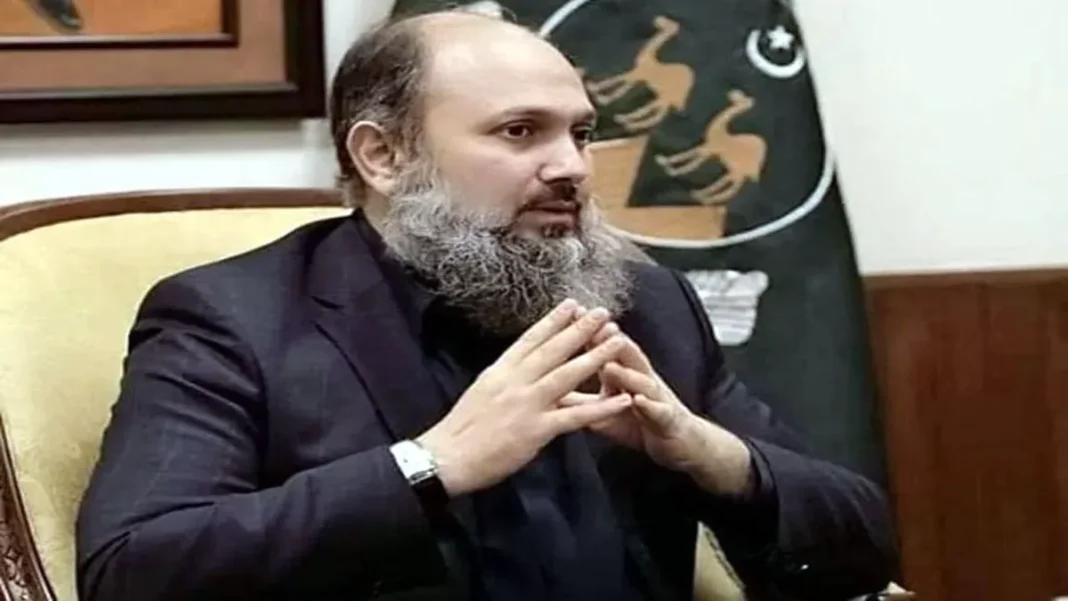
The meeting was co-chaired by Federal Minister for Commerce Jam Kamal Khan and Qatar’s Minister of State for Foreign Trade Affairs Dr Ahmad bin Mohammed Al-Sayed. It reviewed progress in bilateral economic cooperation since the inaugural session in April 2026 and explored practical measures to enhance trade, facilitate investment and develop industrial partnerships between the two countries.
Representatives of relevant Pakistani ministries participated virtually, according to a press release issued on Sunday. The Special Investment Facilitation Council, which serves as the secretariat of the Joint Task Force, coordinated the proceedings from Pakistan.
What Pakistan Qatar trade talks covered
Agriculture and food security featured prominently on the agenda. Pakistan highlighted a proposed memorandum of understanding between the Trading Corporation of Pakistan and Qatar’s Hassad Food for rice supply. The proposal has been submitted to the federal cabinet for approval.
Pakistan also raised the issue of restrictions on its bone-in meat exports to Qatar and called for an early resolution. It highlighted that a comprehensive technical dossier addressing animal health and food safety requirements had already been shared with the relevant Qatari authorities.
The Pakistani side invited Qatari investors to explore opportunities in modern agriculture, grain storage facilities, silos, cold storage, integrated cold-chain infrastructure and advanced farming technologies. Both sides also discussed sustainable food supply arrangements.
Beyond agriculture, the delegation presented investment opportunities in the automobile sector, particularly electric vehicles under the country’s new EV policy framework. Joint manufacturing, technology transfer and industrial partnerships were identified as areas offering scope for closer collaboration.
Pakistan also invited Qatari investment in IT and digital infrastructure, shipping and maritime transport. The proposed Karachi-Hyderabad Motorway was offered as a potential investment opportunity for Qatar. The Qatari side stressed the importance of enhanced cooperation in civil aviation and air traffic, and Pakistan said aviation-related matters would also be taken up by the Technical Working Group on Logistics and Communications.
The GCC free trade agreement push
During the discussions, Pakistan emphasised the importance of an early signing of the Pakistan-Gulf Cooperation Council (GCC) Free Trade Agreement, seeking Qatar’s continued support in completing the remaining formalities.
The Pakistani side informed the meeting that it had completed its domestic approval process and forwarded the approved agreement text to the GCC Secretariat on December 31, 2025. The proposed agreement is expected to provide a framework for strengthening trade relations and expanding market access between Pakistan and GCC member states.
Pakistan further presented the concept of an Investment Fund, highlighting opportunities for Qatari participation in infrastructure, agriculture, industrial development, information technology and other priority sectors.
To translate the discussions into practical outcomes, Pakistan called for the early operationalisation of 11 Technical Working Groups identified during the first Joint Task Force meeting. These groups cover logistics, aviation, advanced manufacturing, mining and minerals, agriculture, tourism, financial technology, healthcare, education, industrial development, information technology and startups.
Both countries reaffirmed their commitment to sustained engagement and effective follow-up through the Joint Task Force framework.
Why the Doha meeting matters for Pakistan
The meeting matters because it turns a general relationship into a work plan. The first Joint Task Force session in April 2026 identified the working groups; the second session, six months later, pressed for them to start operating. The GCC free trade agreement is the largest single item on that agenda, and Pakistan’s message in Doha was that its own approvals are done and the remaining formalities now sit with the GCC side.
Feature Pakistan has tracked the Gulf trade story through the year. Our report on the narrowing Pakistan-Gulf trade gap covered the direction of trade with the Gulf states. The Doha meeting adds the institutional detail behind that trend: named working groups, a named fund concept, and a specific motorway and EV pitch to Qatari investors.