The government is moving ahead with its NEPRA solar reform as rooftop solar panels spread across the country and redraw Pakistan’s electricity demand patterns. Finance Minister Muhammad Aurangzeb on Thursday chaired the second meeting of the Steering Committee on Power Sector Regulatory Regime at the Finance Division to review a reform package aimed at improving efficiency, attracting investment, promoting competition and widening private-sector participation.
The committee examined how fast-changing demand and technology are straining the existing rules. Aurangzeb said the regulatory framework had to keep pace with technological developments while protecting consumer interests and supporting investment and efficiency.
What the committee reviewed
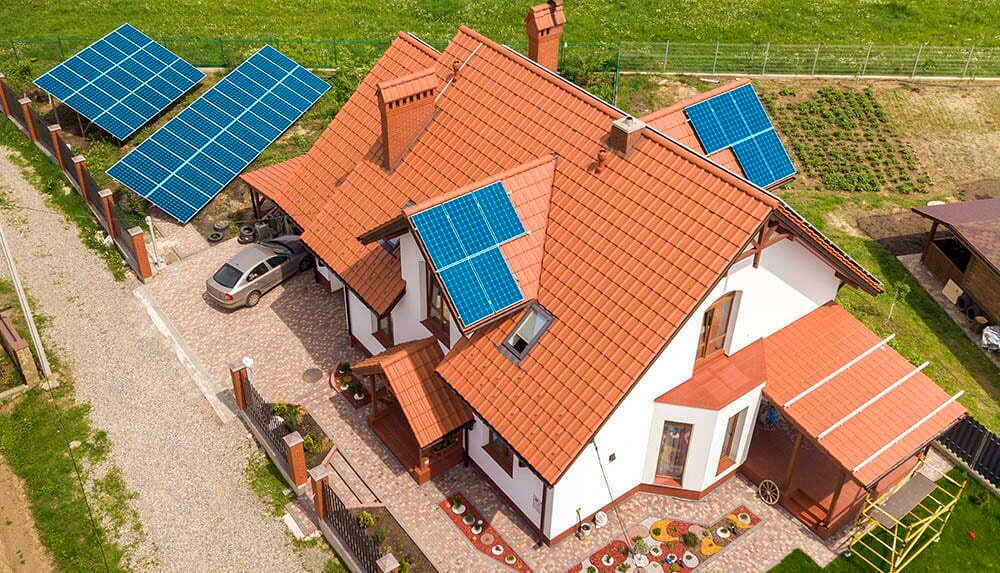
Members looked at the major shifts now underway in Pakistan’s power sector. Rooftop solar adoption is rising, and electricity demand is changing shape, taking load off the national grid during the day while leaving utilities to manage evening peaks.
Participants also discussed the sector’s structural problems. These include existing capacity obligations, the changing demand on the national grid, service quality concerns and limits on new investment. The committee considered ways to make regulation more predictable, target subsidies more accurately and build a power sector that is competitive and financially sustainable.
Network and supply split on the table
One proposal under discussion is the separation of electricity network and supply functions. Under this model, distribution network operators would focus on operating and maintaining the network, while competitive supply businesses would sell electricity under a suitable regulatory framework.
Aurangzeb called for a market structure that offers clearer incentives for efficiency and service quality while creating more room for competition and private investment. The split would mark a fundamental change in how Pakistan’s distribution system is organised, moving it closer to models where the wires and the retail business operate separately.
What the nepra solar reform means for consumers
For households, the immediate message is that regulation is being rewritten around them, not against them. The minister stressed that consumer interests must be protected as the framework adapts to new technology.
The reform effort follows a year of heated debate over solar policy. Earlier this year, NEPRA replaced the old net-metering rules with a prosumer framework that changed how surplus electricity from rooftop systems is bought by utilities, shifting compensation toward the national average energy purchase price. The government later moved to protect existing solar consumers’ agreements, showing how sensitive the issue has become.
Key facts:
| Item | Detail |
|---|---|
| Meeting | Steering Committee on Power Sector Regulatory Regime (second meeting) |
| Chair | Finance Minister Muhammad Aurangzeb |
| Venue | Finance Division, Islamabad |
| Stated goals | Efficiency, investment, competition, private-sector participation |
| Key proposal | Possible separation of network and supply functions |
FAQ
What is the Steering Committee on Power Sector Regulatory Regime?
It is a government committee set up on the directives of Prime Minister Shehbaz Sharif to review Pakistan’s electricity-sector regulatory structure. Finance Minister Muhammad Aurangzeb chairs it. Its brief covers efficiency, investment, competition and private-sector participation in the power sector.
Why is solar adoption pushing reform?
More households are installing rooftop solar panels, which changes when and how much electricity they draw from the national grid. Regulators have to adapt rules built for a one-way supply system to a market where millions of consumers also generate power.
What does separating network and supply mean?
It means splitting the business of running the wires from the business of selling electricity. One set of companies would operate and maintain the distribution network, while other licensed companies would compete to supply electricity to consumers under a regulatory framework.
Will this change electricity bills?
No decision on tariffs has been announced. The committee discussed making subsidies more accurately targeted and the sector more financially sustainable, which could affect how bills are structured, but details will come through NEPRA’s regulatory process.
What happens next?
The committee will continue its review of the regulatory framework. Any structural changes, such as a network-supply split, would need cabinet approval and new or amended NEPRA regulations before taking effect.
Related stories
Originally reported by propakistani.pk.