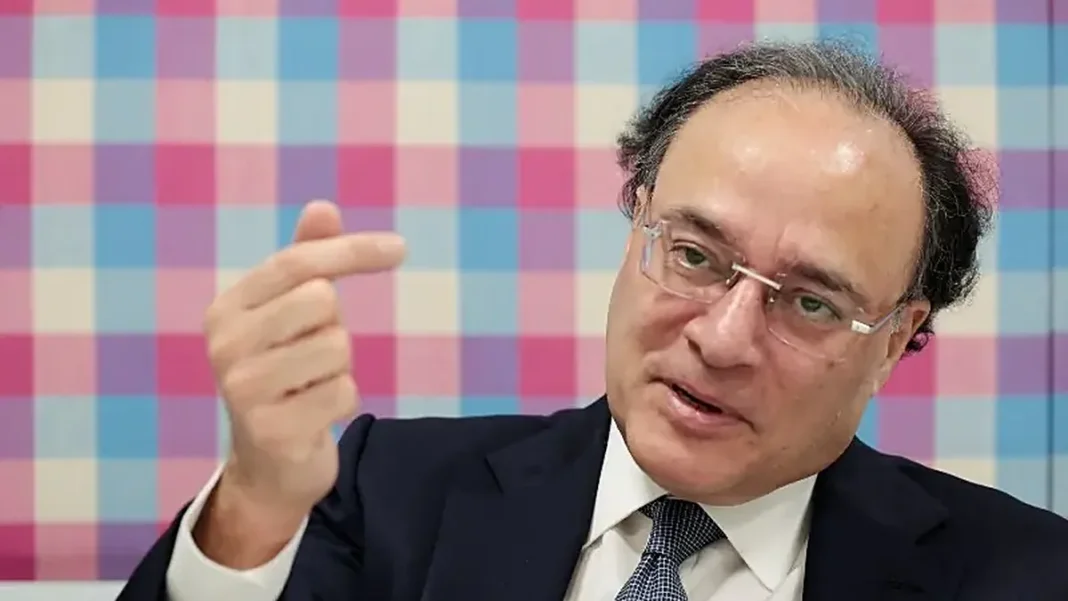
Pakistan growth above 4% is achievable this fiscal year despite high oil prices, Finance Minister Muhammad Aurangzeb said on Monday. He also expects the privatisation of five to six state entities to raise upwards of $1 billion.
Mr Aurangzeb spoke to Reuters in Bangkok, on the sidelines of the annual meetings of the International Monetary Fund and the World Bank. His comments came days after Pakistan reached a staff-level agreement with the IMF, which could release about $1.21 billion under the Extended Fund Facility and a linked climate programme. Stock market gains from the IMF deal were quickly offset by geopolitical worries.
Pakistan growth above 4% despite oil and regional risks
Pakistan remains highly exposed to a prolonged Middle East conflict. The country depends on Gulf energy imports, and it also relies on remittances and financing support from the region. At the same time, it needs external financing to support foreign exchange reserves and to meet debt repayments.
So far, supply has held up. Mr Aurangzeb said Pakistan had secured adequate quantities of fuel and had avoided shortages. He added that critical sectors such as agriculture were also holding up.
“So I’m still quite clear that we should clock north of 4%,” he said.
On inflation, the minister struck a cautious note. He said the government was watching prices closely, because higher oil prices feed through to commodity prices and then to households.
The claim builds on a gradual recovery from the severe economic turmoil that followed the Covid-19 pandemic. That recovery has rested on a $7 billion, 37-month IMF loan programme agreed in 2024, which includes tough measures such as bringing farm income into the tax net.
Five to six privatisations could raise over $1bn
The government has around a dozen entities in its privatisation pipeline. The list includes state-owned power distribution companies, and it also covers plans to outsource airport operations.
“I expect about five or six of these to go through during this fiscal year,” Mr Aurangzeb said. Together, he added, the sales could raise more than $1 billion.
The push follows the privatisation of Pakistan International Airlines, the national flag carrier, last year. Privatisation is widely seen as a test of Pakistan’s reform credibility with the IMF. Officials have warned before that failure to offload loss-making state firms risks renewed pressure on public finances.
Mr Aurangzeb said the government wants the private sector to lead the economy. The state’s role, he said, is to support and assist that process by improving the business environment.
The power sector sits at the centre of that debate at home. Industry leaders have already opposed a proposed Rs268 billion power tariff burden on consumers, and any sale of distribution companies will land in a market where tariffs remain politically sensitive.
US facility talks and a B+ rating target
Pakistan is also in talks with the United States over a proposed $10 billion exchange stabilisation facility. Mr Aurangzeb said the proposal was separate from ongoing engagement with the US Export-Import Bank and the US International Development Finance Corporation. He declined to give a timeframe for the talks.
“If it comes through, this will be a great help for us,” he said. He added that Pakistan’s access to financial markets would not be affected if the facility did not materialise.
In a separate interview with Bloomberg TV, reported by ProPakistani, the minister said Pakistan was targeting a B+ sovereign credit rating by the next fiscal year, after three upgrades since last year. Moody’s raised Pakistan to B3 from Caa1 in August, while S&P raised its rating to B from B- in July. He added that reserves had reached a record high after a $3 billion Eurobond issuance, the first in four years, and that the government aims to swap short-term external debt for longer-term borrowing while keeping total external debt, close to $100 billion, broadly stable.
Exporters still warn of a hard quarter
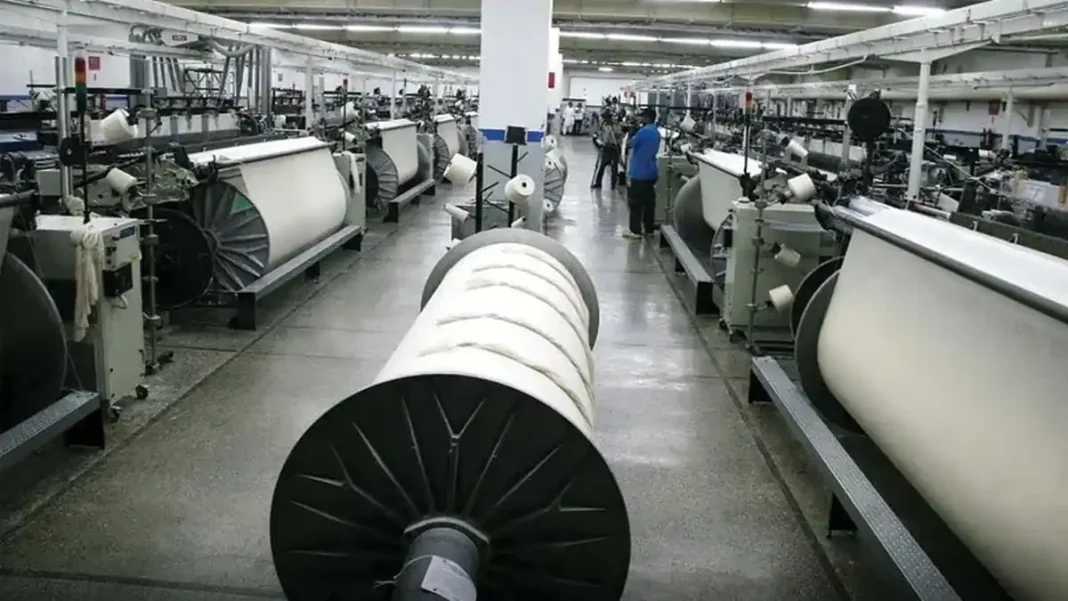
The minister’s optimism contrasts with warnings from exporters at home. Textile makers, who anchor Pakistan’s export earnings, have warned of a steep decline in exports from October to December. If oil stays high and exports weaken, the space for growth above 4% will narrow quickly. If the sales close on time, the government gains money and credibility before the next IMF review. (Source: Reuters via Dawn)
Frequently asked questions
How much does Pakistan expect to raise from privatisation this year?
Finance Minister Muhammad Aurangzeb said five to six transactions could close during this fiscal year. Together, they could raise upwards of $1 billion, he told Reuters in Bangkok.
Which entities are in the privatisation pipeline?
Around a dozen entities are in the pipeline. They include state-owned power distribution companies and the outsourcing of airport operations. The push follows the privatisation of Pakistan International Airlines last year.
What did Aurangzeb say about the proposed $10 billion US facility?
He said talks with the United States over a proposed $10 billion exchange stabilisation facility were continuing, separate from work with the US Export-Import Bank and the Development Finance Corporation. He gave no timeframe, and he said market access would not suffer if the facility did not happen.