Shehbaz Approves TDAP Restructuring for Exports
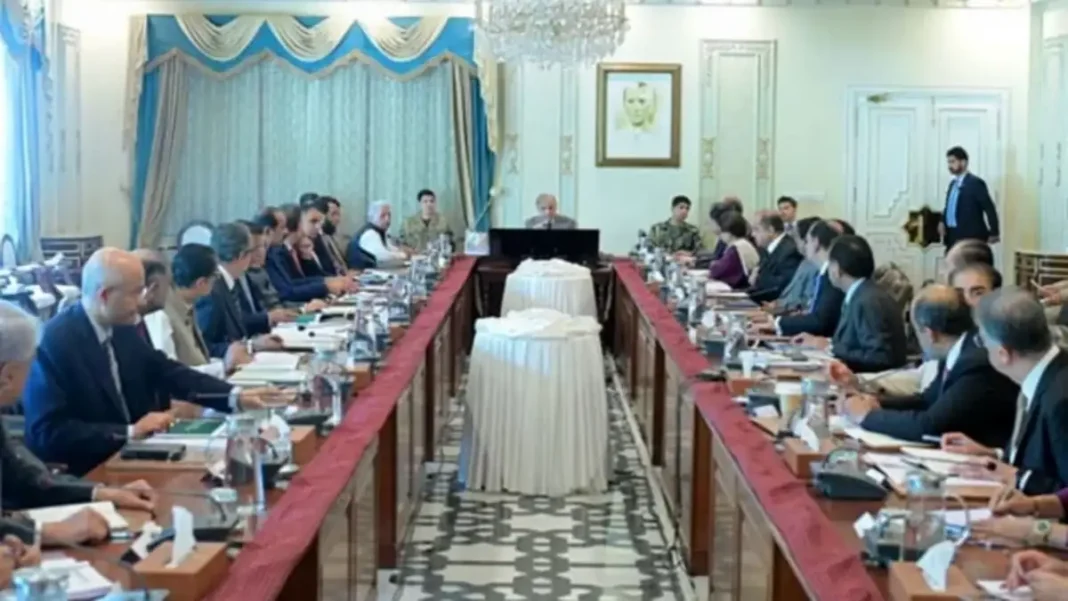
Prime Minister Shehbaz Sharif has approved TDAP restructuring on “modern lines” to promote the country’s exports. The decision came at a high-level review meeting in Islamabad on Friday.
The Prime Minister’s Office (PMO) said the aim was to increase access for Pakistani products to global markets and align local industries, including small and medium enterprises (SMEs), with export standards. The meeting reviewed TDAP’s performance and the reforms proposed for the authority.
“The access of industrially manufactured products to global markets is of key importance for increasing exports,” the prime minister said, according to the PMO. He added that the restructuring of TDAP “will pave the way for this.”
Shehbaz also said the “entire ecosystem of agricultural product exports, including the entire value chain, will be built”. A “well-trained workforce should be made part of TDAP transparently and on merit,” he added.
What the TDAP restructuring will change
The meeting was presented with reforms to turn TDAP into “a world-class trade promotion institution in line with modern requirements”. The changes include limiting the institution to eight core functions, restructuring the board and the administrative structure, and making the regional network effective.
TDAP will also use digital platforms and artificial intelligence as part of the overhaul. Measurable indicators will track performance, and an independent third-party review system will assess results.
The prime minister linked reform to accountability inside the institution. “Reforms are possible only when promotion in institutions is made conditional on achieving targets and performance,” he said. He added that “the services of a reputable private audit firm should be engaged for the institution’s performance and financial audit.”
The PMO said the meeting was told about the challenges in TDAP’s existing system. A comparative review of effective trade promotion organisations around the world made clear that modern institutions provide integrated services. They develop local markets, open access to global markets, build the capacity of exporters, and promote exports.
A 12-month plan to finish by mid-next year
The meeting was also presented with a 12-month phased plan for the reforms. It covers approval, design, implementation and independent assessment. Prime Minister Shehbaz directed that the reforms be completed by the middle of next year and that their implementation be ensured.
Finance Minister Muhammad Aurangzeb, Information Minister Attaullah Tarar, IT Minister Shaza Fatima Khawaja and Climate Change Minister Musadik Malik attended the meeting, along with other federal ministers and senior officials.
The prime minister said Pakistan’s export potential was vast “and its geography is most suitable”. To increase exports, he said, Islamabad was “facilitating industries and SMEs so that these characteristics can be fully utilised.”
The focus on SMEs matters because small firms form a large part of Pakistan’s industrial base, yet many struggle to meet the standards foreign buyers demand. Banks have been told to ease SME lending for small businesses, and the TDAP overhaul is the trade side of the same push to help smaller firms reach foreign markets.
Exports also sit at the centre of Pakistan’s wider economic picture. Pakistan’s trade deficit stood at $39.47 billion, with imports far outweighing exports, so lifting export earnings is a standing priority. The IMF has urged Pakistan to broaden its tax base and press ahead with growth reforms, and trade reform forms part of that agenda.
What happens next
The 12-month plan now moves into its design phase, with the restructured board and the eight core functions to be set out first. The test will be whether the changes reach exporters on the ground: faster certification, better market intelligence, and real help for SMEs trying to sell abroad. Export-oriented production such as Karachi Marble City, Pakistan’s first stone park, shows the kind of output the government wants TDAP to support.
If the reforms hold to the mid-next-year deadline, TDAP will look very different from the body exporters deal with today. If they stall, the authority will face the same questions about performance that prompted this review.
What did the prime minister approve?
Shehbaz Sharif approved the restructuring of the Trade Development Authority of Pakistan on “modern lines” to promote exports, widen access for Pakistani products to global markets, and align local industries with export standards.
What reforms are planned for TDAP?
TDAP will be limited to eight core functions, with a restructured board and administration, an effective regional network, digital platforms and artificial intelligence, measurable performance indicators, and independent third-party review.
How long will the reforms take?
A 12-month phased plan covers approval, design, implementation and independent assessment. The prime minister directed that the reforms be completed by the middle of next year.
Why does TDAP matter for exports?
TDAP is the state body that promotes Pakistani products abroad. The government wants it to help exporters, including SMEs, meet global standards and reach new markets.