Saudi Arabia Denies Houthis $51bn Demand
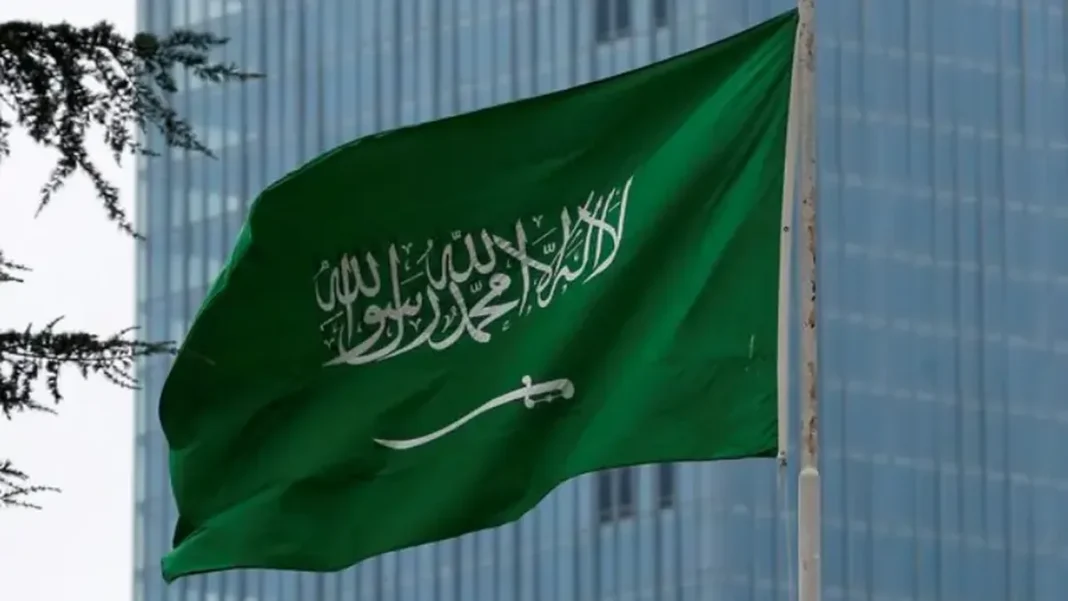
Saudi Arabia has denied the reported Houthis $51bn demand, rejecting a Wall Street Journal report that Yemen’s Houthis asked for $51 billion in return for a negotiated halt to hostilities. The kingdom’s deputy minister for public diplomacy called the report “pure fabrication”.
The Journal reported on Thursday that Saudi Arabia had approached the Houthis “to see what it would take to arrive at a negotiated halt to the hostilities”. The group, the report said, demanded $51bn in return. It also claimed the Houthis would want to be “officially recognised … as the rulers of Yemen”.
Saudi Deputy Minister for Public Diplomacy Ambassador Rayed Krimly rejected the claims in a post on X. He said he “categorically” denied the claims about “demands made by this militia”.
“All of this is pure fabrication by the writers or their alleged sources,” Krimly wrote.
The Houthis $51bn demand report and the Saudi reply
Krimly went further than a flat denial. He accused the Houthis of turning against the Yemeni government, causing famine among the Yemeni people, and dragging Yemen into conflicts that do not serve Yemen and its people.
“They attacked commercial vessels in the Red Sea waterways, civilian and economic targets, and rejected all peace efforts,” he said. “We also remind the writers that Yemen has a recognised government.”
The report and the denial arrive at a tense moment. Hostilities between Riyadh and the Houthis have flared again, inside a wider Middle East war that began on February 28, when the United States and Israel attacked Iran and Tehran answered with strikes across the region.
In July, the Houthis set off a return to hostilities by letting an Iranian plane land in defiance of Saudi control of Yemeni airspace. The government struck the airport, and the exchanges unravelled a 2022 truce. Since then, the Houthis have declared a maritime blockade of Saudi Arabia, attacking its tankers in the Red Sea as well as Saudi territory.
The wider conflict behind the denial
The $51bn figure, if it were real, would mark a sharp break. The Houthis have held Sanaa and much of northern Yemen for years, while the internationally recognised government sits in Aden. A demand for tens of billions of dollars plus formal recognition as rulers would amount to a price for peace that Riyadh has never paid.
The Red Sea shipping attacks give the dispute a reach beyond Yemen. Commercial vessels passing through one of the world’s busiest trade routes have faced repeated strikes, and the Houthis have tied their campaign to the wider regional war. Saudi strikes on Houthi resources in Hodeidah followed the same pattern, with Riyadh hitting back at the ports and facilities it says support the attacks. The Houthis have also denied aiming at the Madina region in an earlier exchange, in the same pattern of claim and counter-claim now playing out over the $51bn figure.
For Pakistan, the fighting carries a direct interest. Tanker traffic through the region affects fuel prices at home. Two tankers and a tugboat caught fire in the Strait of Hormuz in a separate incident this week. Islamabad has also been working the diplomatic track, and Iran engaged Pakistan this week to defuse tensions as the regional war widened.
What happens next
Neither side has confirmed any direct talks. The Journal report cited unnamed sources, and Krimly’s denial leaves the public record as it was: no confirmed negotiation, no confirmed demand, and no confirmed price.
The test now is whether the exchanges in the Red Sea and over Yemeni airspace cool or climb. A truce that held from 2022 until July has already come apart once. Until a channel opens that both sides admit to, the war of statements will run alongside the war at sea.
What did the Wall Street Journal report claim?
The Journal reported that the Houthis demanded $51bn from Saudi Arabia in return for a negotiated halt to hostilities, plus official recognition as the rulers of Yemen.
What did Saudi Arabia say?
Deputy Minister for Public Diplomacy Rayed Krimly “categorically” denied the claims on X, calling them “pure fabrication by the writers or their alleged sources”.
What is the state of the Yemen truce?
A 2022 truce unravelled after the Houthis let an Iranian plane land in July 2026 in defiance of Saudi control of Yemeni airspace, prompting retaliatory strikes and a declared Houthi maritime blockade of Saudi Arabia.
Has Saudi Arabia confirmed talks with the Houthis?
No. The Journal report cited unnamed sources, and the Saudi denial leaves no confirmed negotiation on the public record.