PM Orders Roadmap for 100pc Digital Payments in Pakistan
Prime Minister Shehbaz Sharif has ordered a clear roadmap with time-bound targets to build a 100pc digital payments system in Pakistan.
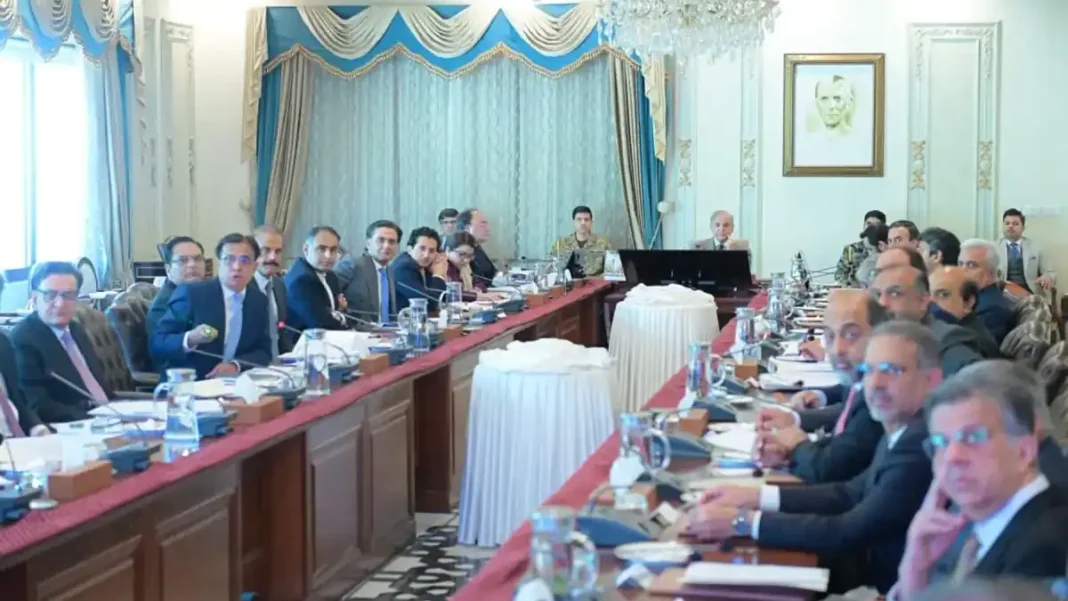
The prime minister issued the direction on Friday at a high-level meeting in Islamabad on promoting a cashless economy, according to a statement by the Prime Minister’s Office.
He told officials to present the roadmap and targets for a fully digital payments system, and said problems faced by users of digital payments should be fixed at once.
Internet access at the centre of the plan
Shehbaz stressed that internet access across the country and easy access to technology for the public must be ensured if the cashless drive is to work.
“To promote a cashless economy, the provision of internet across the country and easy access to technology for the public must be ensured,” he said.
He described the cashless economy as one of the government’s top priorities, adding that its positive results were already beginning to emerge. He also praised the Ministry of Finance and relevant state institutions for their work on the drive.
The prime minister said payments through Raast QR codes were proving central to the government’s vision of a cashless economy. He directed that the scheme to promote digital payments between consumers and merchants through Raast QR codes continue under government patronage.
He also ordered a media campaign to encourage electricity and gas consumers to pay through QR codes printed on utility bills. All ministries and government institutions must ensure full implementation of the cashless economy plan, he said.
What changes, and by when
A briefing at the meeting set out the pace of the work so far. Digitisation of payments in federal and provincial government institutions is moving fast, and payments in most institutions will be fully digitised by December 2026.
All payments under the Benazir Income Support Programme are already made through digital wallets. Work is also under way on a modern system for digital payments in areas without internet access.
The meeting was told that efforts to build internet infrastructure across the country were moving rapidly.
From November 15, cheque-based payments through the Asaan Assignment Account will stop. Instead, those payments will be made through the Raast digital system across the country. Drawing and disbursing officers have already been trained for the change.
Why 100pc digital payments matter for ordinary Pakistanis
For most people, the shift will first show up in everyday payments. Utility bills will carry QR codes for instant payment, while government payments will move away from cheques and cash.
The change matters most for the millions who receive support through the Benazir Income Support Programme. Their payments already arrive through digital wallets, which cut out middlemen and delays.
Small traders and shopkeepers also stand to gain. Raast QR codes let a customer pay a merchant straight from a bank account or wallet, without cash changing hands and without card machines.
The drive is part of a wider reform push. The federal government says it is taking vigorous steps to strengthen the financial system through tax reform, a more efficient Federal Board of Revenue, a cashless economy and modern technology.
Shehbaz has repeatedly said digital transaction systems are vital to bring transparency to the economy. In June last year, he formed a high-level committee to promote a cashless economy. This July, he directed that remittances from abroad be fully digitised as part of the drive.
Pakistan’s digital finance push is moving on several fronts. The State Bank has launched a core banking network with US help, while the virtual assets regulator has held talks with Mastercard on tokenisation and payments. The government also aims to develop one million AI professionals by 2030.
What did the prime minister order?
A clear roadmap with time-bound targets for a 100pc digital payments system, with problems faced by users fixed immediately.
When will government payments be fully digital?
Payments in most federal and provincial institutions will be fully digitised by December 2026, according to the briefing at the meeting.
What happens to cheques from November 15?
Cheque-based payments through the Asaan Assignment Account will stop, and those payments will be made through the Raast digital system instead.
How will utility bills be paid?
Electricity and gas bills will carry QR codes, and a media campaign will encourage consumers to pay through them.