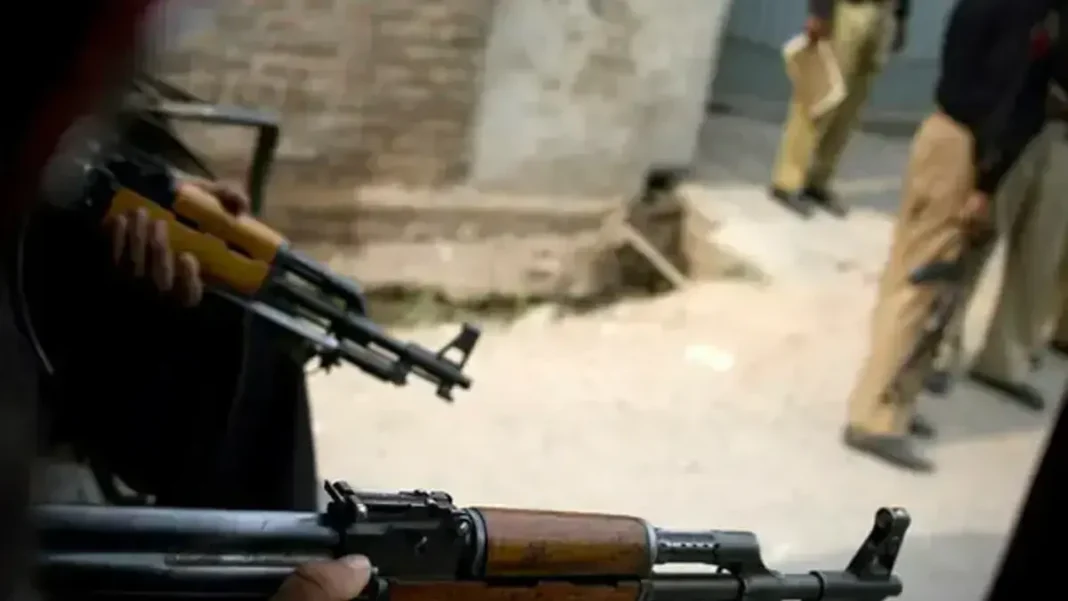
Karachi encounter killings rose sharply in the first ten months of 2026, with police killing 197 suspected street criminals in alleged encounters, official data shows. That is an 80 per cent rise on the 109 killed in the same period last year.
The surge has raised concerns among human rights groups, which describe the deaths as extrajudicial killings. Senior police officers insist every encounter was genuine, and say their own personnel have also been wounded and killed.
Karachi encounter killings: the numbers behind the rise
The data maintained by Karachi police, as reported by Dawn, covers January 1 to October 25 this year. In that time, police took part in 1,437 encounters, a 71 per cent rise on the 840 in the same period last year.
Besides the 197 suspects killed, the encounters left 1,426 others wounded, a 67.9 per cent rise on the 849 wounded in the same period last year. The official data does not cite the number of law enforcers wounded in these encounters.
Police officers told Dawn that street crime spiked in October, though it was difficult to attribute it to any single reason. The rise prompted a review of police strategy.
Under the revised strategy, more personnel were deployed for the Shaheen Force, which was first active in District Central only but has now been extended to other districts. Patrolling and snap-checking in street crime hotspots were also enhanced.
Rights groups call the killings extrajudicial
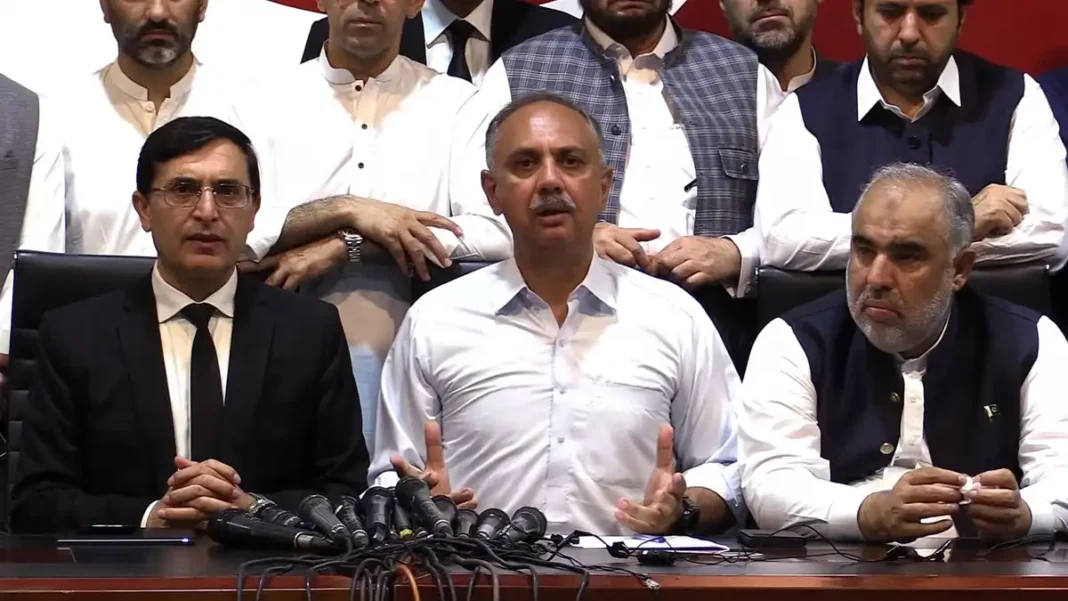
Human Rights Commission of Pakistan (HRCP) Chairperson Asad Iqbal Butt told Dawn that the commission considered the deaths of suspects in encounters as extrajudicial killings.
Describing this as an ailment that had affected the Punjab police, he said it seemed it was now spreading to Karachi. He said the HRCP had recently conducted fact-finding in Punjab, where during an eight-month period, 1,000 suspects were shot dead in alleged encounters.
He recalled that when the terminology of “full fry and half fry” was introduced, crimes had not decreased but increased. He said encounters would not bring improvement in the security situation, as crimes could be curbed by improving policing, carrying out investigations on a scientific basis and introducing judicial reforms.
He said when a suspect was killed in an alleged encounter, it meant the state’s trust in the judiciary had ended.
Police say every encounter was genuine
Dawn sent questions to Karachi police chief Azad Khan, asking about the reasons behind the surge in encounter killings, whether there are any standard operating procedures following the death of a suspect in a police encounter, and whether, and how many, inquiries had been conducted. However, he did not respond even after a week.
Two senior police officers, who wished not to be named, claimed all the killings were genuine, as such actions were taken on main roads after complaints from robbery victims.
They said the increase in encounters followed the increase in patrolling on roads. They refuted allegations of staged encounters and said the upsurge in such incidents was due to increased patrolling.
Calls to fix the justice system
Citizens-Police Liaison Committee chief Zubair Habib told Dawn that time had come to revamp the whole criminal justice system to prevent such encounters by bringing police and prison reforms as well.
He said deterrence would come only when a criminal realised he would be caught and punished. He said crimes were decreasing all over the world because of the use of modern technology. He said Karachi police had improved murder investigations with technology.
Accountability questions in the same force
The rise in encounter killings comes in a week when the Karachi police force itself has faced accountability questions. A station house officer in Karachi was suspended after an audio clip surfaced in which he was allegedly heard apologising to a known drug dealer. The suspension order said the recording showed the officer in an unauthorised and compromising conversation.
At the same time, the police system is expanding elsewhere in the country. Khyber Pakhtunkhwa has announced plans to fill 17,000 vacant police posts, a recruitment drive that will put thousands of new officers on the streets. More officers and more encounters on one side, unanswered questions on the other. The courts have also weighed in on police powers, with the Federal Constitutional Court barring the Peshawar High Court from hearing detention cases of PTI workers, while PTI’s Barrister Gohar has demanded an end to political victimisation.
The HRCP chief’s point stands at the centre of the debate: if suspects keep dying in encounters instead of facing trial, the public will keep asking whether the police are enforcing the law or replacing it.
Frequently asked questions
How many people were killed in Karachi encounters in 2026?
Police data shows 197 suspected street criminals were killed in alleged encounters between January 1 and October 25, 2026.
How does that compare with last year?
It is an 80 per cent rise on the 109 suspects killed in the same period in 2025. The number of encounters rose 71 per cent, from 840 to 1,437.
What does the HRCP say about the killings?
HRCP Chairperson Asad Iqbal Butt described the deaths as extrajudicial killings. He said encounters would not improve security, and called for better policing, scientific investigation and judicial reform.
What do the police say?
Senior police officers insist all encounters were genuine and took place on main roads after complaints from robbery victims. They link the rise to more patrolling and the expansion of the Shaheen Force. Karachi police chief Azad Khan did not respond to questions about inquiries into the deaths.