Iran Refrigerator Hacks: France Blames Tehran
France has blamed Iran’s Revolutionary Guards for the Iran refrigerator hacks that shut down commercial refrigerators and freezers across the country last month. Paris warned on Monday that Iran would face consequences.
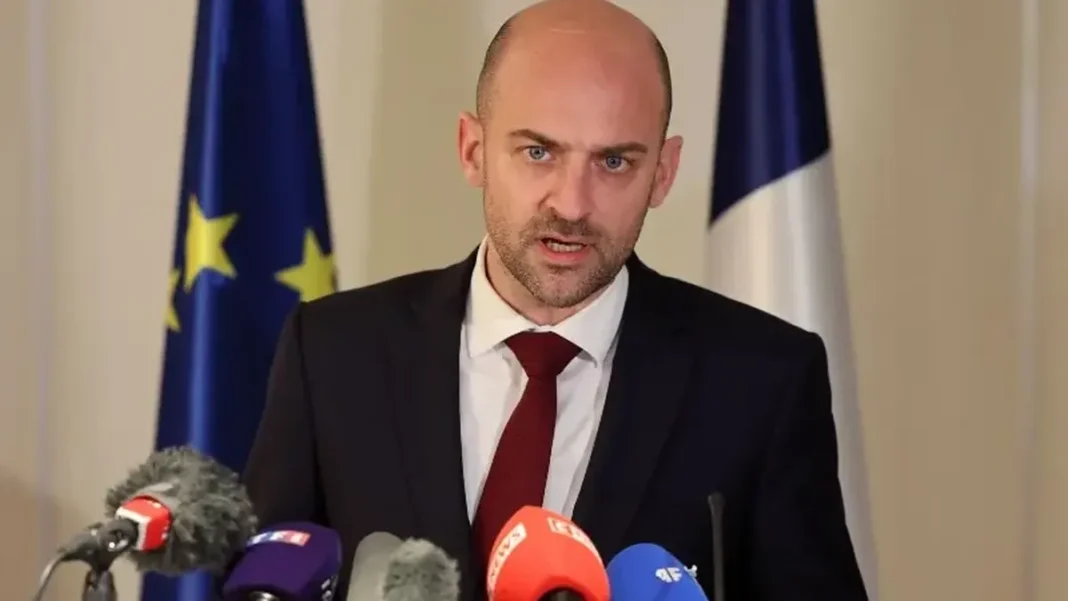
Foreign Minister Jean-Noel Barrot said Paris had called in Iran’s ambassador. He also warned of more European Union sanctions against Tehran. The announcement followed within minutes of a Reuters report that investigators privately suspected Iran.
Iran’s mission to the United Nations did not respond to requests for comment. Tehran routinely denies carrying out malicious cyber operations.
The Iran refrigerator hacks began on October 11, when attackers took over the temperature controls on commercial fridges in hundreds of shops and stores. Some units heated up so much they caught fire. In the hours after the attack, supermarket workers hauled out boxes of spoiled meat and melted ice cream into large bins.
One French supermarket owner put the total bill at tens of millions of euros across the country. The firm behind many of the affected units said several were out of date or running old firmware, which experts said could have left them easy to break into.
Iran refrigerator hacks and the wider cyber campaign
The fridge attacks rank among the most disruptive cyber incidents of the Iran war, which began in February. That conflict has seen scattered episodes of alleged digital disruption.
The incidents include a March attack on the Los Angeles transit system, a July strike on US water treatment plants, and August attacks on ships bound for the United States. That same month, fridges in at least half a dozen US military commissaries stopped working.
Pentagon investigators are treating the commissary failures as a suspected cyberattack and are working with French officials to find out what happened. A person familiar with the matter said the Pentagon sees Iran as a suspect in the August incidents, though that inquiry is still under way.
Reuters could not find out exactly how the French reached their conclusion. It also could not independently confirm any link between the US base fridge incidents, the French hacking campaign and the latest wave across Europe.
A second wave across Europe
A second wave followed this month, hitting more than 100 establishments across Europe. It even reached fridges used by French blood banks, forcing staff to shift some blood to other cold storage.
How simple the fridge hacks seemed, and how they kept repeating across countries, fuelled guesses about who was behind them — against a backdrop of worries over Russia’s suspected sabotage campaign in Europe, the US-Iran war and the spread of AI-powered cyberattacks.
The Pentagon said on Monday it was aware of speculation about a possible cyber incident, but could say no more for security reasons. Military investigators are still on the case.
The French accusation raises the stakes in an already tense stand-off. Trump has said a war with Iran is highly unlikely, yet the conflict has continued to produce incidents on land, at sea and now in cyberspace. A US strike on Qeshm Island caused no vital damage, according to Iranian accounts, while Europe has joined US-led talks on Ukraine in Abu Dhabi as Western governments weigh how to handle two wars at once.
For ordinary people, the episode shows how cyber conflict now reaches everyday life. A hack that once might have targeted a ministry or a military network instead spoiled food in supermarkets and put stored blood at risk. That is why Paris has treated the refrigerator attacks as a serious escalation, not a prank.
Frequently asked questions
Who does France blame for the refrigerator hacks?
France blames Iran’s Revolutionary Guards for the cyberattacks that knocked out commercial refrigerators and freezers across France in October. Foreign Minister Jean-Noel Barrot announced the accusation on Monday, November 9.
What happened in the October 11 attack?
The attack overrode temperature controls on commercial fridges in hundreds of French supermarkets and other establishments. Some units overheated and caught fire, while spoiled food had to be thrown away. Costs could reach tens of millions of euros.
Was there a second wave of attacks?
Yes. This month, a second wave hit more than 100 establishments across Europe, including refrigerators used by French blood banks. Staff had to move some blood to other cold storage units.
Did similar attacks happen in the United States?
In August, refrigerators in at least half a dozen US military commissaries went out of service. Pentagon investigators are treating the failures as a suspected cyberattack and consider Iran a suspect, though the investigation is still in progress.
What action has France threatened?
France summoned Iran’s ambassador to the foreign ministry and threatened further European Union sanctions against Iran. Iran’s UN mission did not comment, and Iran routinely denies carrying out malicious cyber operations.