Karachi industrial infrastructure is failing the city’s factories, with broken roads, water shortages and failing drainage pushing up costs and slowing exports. Trade bodies warn that the civic collapse is eating into production and exports.
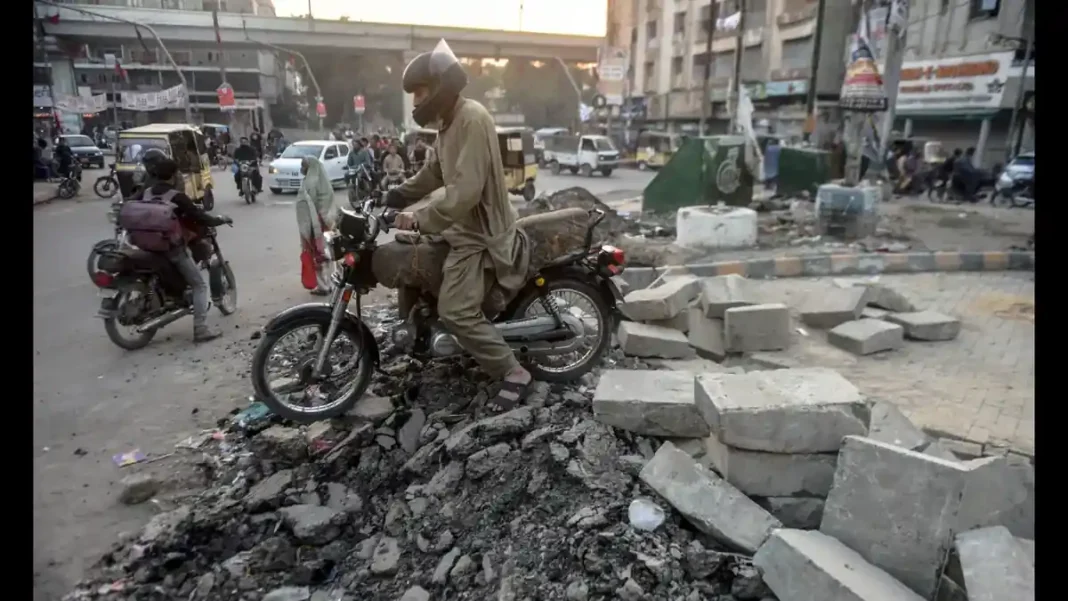
For thousands of workers, getting to work has become an ordeal. Muhammad Ali leaves his home in Baloch Colony an hour before his 8am shift at a pharmaceutical plant in the SITE area. He covers 14 kilometres to Nazimabad in 15 minutes through the Karsaz corridor, yet the last six kilometres to his factory take twice as long, slowed by potholes and gridlock. In Korangi Industrial Area, refinery worker Ishtiaq Ali loses four hours a day to public transport moving through endless construction and broken roads.
The strain goes far beyond the commute. Every day, fleets of heavy vehicles carrying raw materials and finished goods through SITE, Korangi, Landhi, North Karachi and Federal B Area sit for hours in gridlock, which means higher fuel bills, damaged cargo and costly delays.
Karachi industrial infrastructure in crisis, trade bodies warn
Earlier last month, Karachi’s industrial, business and trade community came together to speak out about what it called the economic cost of civic mismanagement. At the meeting, representatives of trade bodies and industrial town associations asked how the country’s commercial capital, which they said contributes around 67 per cent of federal revenue and 54 per cent of national exports, could still suffer from crumbling roads, acute water shortages, unreliable utilities, deteriorating sewerage and street crime.
Zubair Motiwala, chairman of the Businessmen Group, called for an urgent and coordinated drive to rescue Karachi from its deepening civic and economic crisis. He made clear the criticism was not aimed at creating political or administrative controversy, but at building a liveable, secure and economically competitive city.
One industrialist at the meeting, who asked not to be named, said the participants openly expressed frustration with the PPP administration in the province. The party has ruled Sindh for the past 18 years, he said, yet it has ignored infrastructure that remains in a shambles.
Funds approved, work not done
The industrialist pointed to one failure in particular. In December 2025, the Sindh government approved more than Rs9 billion for urgent road repairs and infrastructure maintenance in Karachi’s industrial areas, yet even after ten months, he said, the work remains incomplete or has not even begun.
Saleemuz Zaman, chief executive of the Korangi Industrial Trading Estate, raised the same concern at a recent groundbreaking ceremony for infrastructure work in his estate. He said the Rs2 billion allocation for the project was not enough to meet all the requirements, given how extensive the problems are.
Karachi Mayor Murtaza Wahab assured the estate’s members that the government would raise the allocation further in the next financial year. He said better roads, improved drainage and modern infrastructure would help industrialists, strengthen commercial activity, create jobs and support the national economy.
Power costs add to the pressure
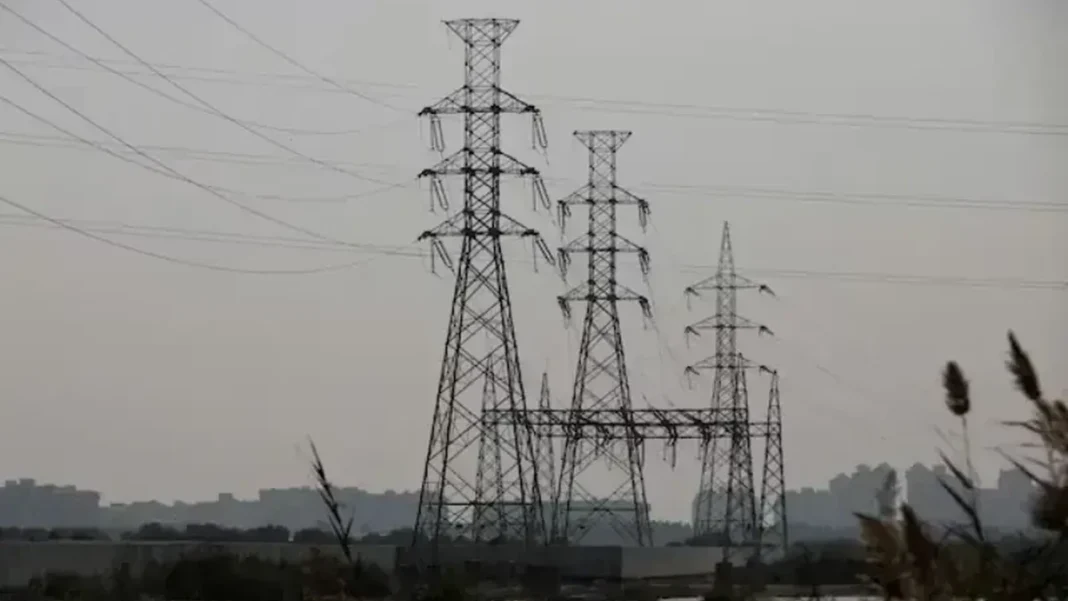
The infrastructure crisis is not the only cost squeezing Karachi’s factories. Nepra has raised the special industrial power rate to Rs25.30 per unit, up from Rs22.98, in a decision that drew dissent from two of its own members. At the same time, industrialists are demanding a third-party audit of power sector data to verify the figures behind their bills.
Industrialists blame institutional incompetence, weak accountability and administrative failure for the city’s longstanding problems, from road conditions and traffic diversions to water supply, drainage and waste disposal. They want projects finished on time, better coordination among the authorities and oversight that makes service delivery work. A new industrial estate, Karachi Marble City, is planned over 300 acres, but its promise will depend on whether the civic services around it work.
What happens next
Zubair Chhaya, deputy patron-in-chief of the Karachi Industrialists and Traders Association, said the city’s industrialists need a coordinated and apolitical campaign to fix the worsening civic and economic problems, putting implementation and accountability first.
The Sindh government says it is taking measures to resolve the chronic issues. Until there is timely progress on the infrastructure projects, workers will keep facing long commutes, and industries will keep losing time and money moving raw materials and finished goods. Residents in Clifton are already protesting over building rules, while a new U-turn near Karachi University has drawn criticism for adding to the city’s traffic problems.
Frequently asked questions
Why are Karachi’s industrial areas struggling?
Broken roads, water shortages, poor sanitation, weak waste disposal and failing drainage have raised production costs and slowed the movement of goods and workers across SITE, Korangi, Landhi, North Karachi and Federal B Area.
How much does Karachi contribute to the national economy?
Trade bodies say the city contributes around 67 per cent of federal revenue and 54 per cent of national exports.
What funds were approved for repairs?
In December 2025, the Sindh government approved more than Rs9 billion for urgent road repairs and infrastructure maintenance in Karachi’s industrial areas, but industrialists say the work is incomplete or has not started even after ten months.
What did the Korangi estate chief say about funding?
Saleemuz Zaman, chief executive of the Korangi Industrial Trading Estate, said the Rs2 billion allocation for infrastructure work in his estate was not enough to meet all the requirements.
What are industrialists asking for?
They want projects finished on time, better coordination among the relevant authorities, oversight of service delivery, and a coordinated and apolitical campaign focused on implementation and accountability.