Civil Cases on Merit: SC Restores Two Dismissed Revisions
The Supreme Court has ruled that civil cases on merit should be decided on their substance rather than dismissed on technical grounds. Courts must strike a balance between procedural discipline and the demands of substantive justice, the court observed.
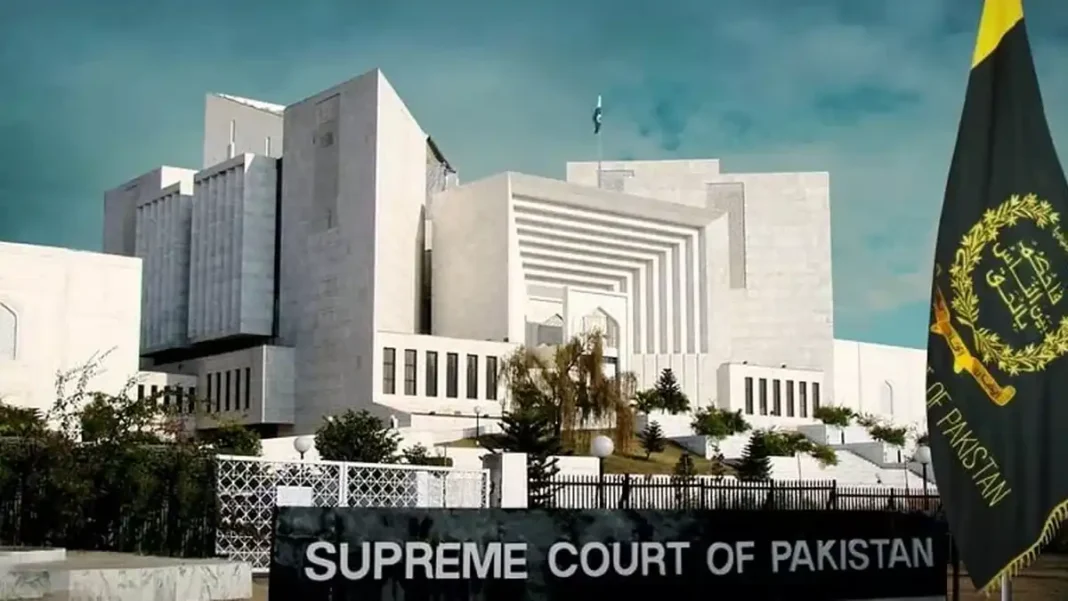
A three-member bench of Justice Muhammad Ali Mazhar, Justice Musarrat Hilali and Justice Shahid Bilal Hassan gave the ruling while allowing two civil petitions filed by Safdar Ali Butt. Justice Mazhar wrote the judgment.
The petitions challenged Lahore High Court orders refusing to restore Butt’s civil revision petitions. The Supreme Court set aside those orders and restored both revisions, subject to payment of cost of Rs10,000.
Why the civil cases on merit ruling matters
The judgment sets out a clear test for courts. The scales of justice favour neither automatic dismissal nor automatic restoration of proceedings, the court observed. Courts must examine the facts of each case, above all whether a genuine and sufficient reason existed for a party’s failure to appear.
The case concerned two civil revisions — Nos 1717 and 1718 of 2016 — filed by Safdar Ali Butt against the Faisalabad Development Authority and pending before the Lahore High Court since 2016. The high court dismissed them on February 2, 2026, after the petitioner’s counsel failed to appear. Restoration applications were filed the following day, but the high court dismissed them on February 23, 2026, prompting the appeal to the Supreme Court.
The petitioner’s counsel explained that the lawyer handling the cases, Shahid Azeem Bajwa, was suffering from coronavirus and had stayed outside the courtroom. When the cases were called, he rushed towards the courtroom but could not reach the bench because of heavy congestion.
The court held the February 23 order appeared harsh, and said the interests of justice required the petitioner be given at least one fair opportunity to pursue the matter on the merits, in line with the right to a fair trial under Article 10-A of the Constitution.
Duties of lawyers and clients
The judgment also laid down guidance for both sides of a case. Lawyers must carefully monitor hearing dates, cause lists and court benches, the court stressed. They must arrange cover when commitments overlap and keep clients informed about progress, risks and settlement offers. Clients must also remain vigilant and follow their cases regularly rather than leave the whole responsibility to their lawyers.
At the same time, the court warned that dismissing proceedings because of a lawyer’s negligence, without a reasonable explanation, seriously damages professional credibility. Such conduct may provide grounds for complaints of professional misconduct before bar councils under the Legal Practitioners and Bar Councils Act, 1973.
What the ruling means for ordinary litigants
The ruling will matter well beyond this one case. Civil cases in Pakistan often run for years, and a single missed hearing can end a claim that waited a decade for a decision. Lower courts must now look at the reason for the absence before closing the file.
A litigant whose lawyer falls ill or gets stuck outside a crowded courtroom should not lose the case on that ground alone, provided the explanation is genuine and no pattern of delay exists. In this case, the Rs10,000 cost reflects that balance: the revisions were restored, but not free of consequence.
The ruling fits a wider pattern of courts deciding cases on substance. Courts in Rawalpindi have been recording acquittals and convictions in a steady stream of cases, the Lahore High Court recently held that daughters remain eligible for a family pension, and a review of the workplace harassment law has pressed for clearer protection at work. The Supreme Court itself has been active on related questions of access and fairness, and this judgment gives trial and high courts a practical test to apply when a party asks for a dismissed case to be restored.
Frequently asked questions
What did the Supreme Court rule on civil cases?
Civil cases should ordinarily be decided on merit, not dismissed on technical grounds. Courts must balance procedure with substantive justice.
Which case led to the ruling?
Two civil petitions by Safdar Ali Butt challenged Lahore High Court orders that refused to restore his civil revision petitions. The revisions had been pending since 2016.
Why were the revisions dismissed?
The Lahore High Court dismissed them on February 2, 2026, after the petitioner’s counsel failed to appear. The counsel had coronavirus and could not reach the courtroom through heavy congestion.
What did the Supreme Court order?
It set aside the high court’s orders and restored both revisions, subject to payment of cost of Rs10,000.