LPG Prices in Pakistan: PSO, SSGCL Take Over From OGRA
Prime Minister Shehbaz Sharif has transferred the authority to set LPG prices in Pakistan from the Oil and Gas Regulatory Authority to Pakistan State Oil and Sui Southern Gas Pipelines Limited. The move hands the two state-owned companies responsibility for setting LPG cylinder prices across the country.
Petroleum Minister Ali Pervaiz Malik has assigned PSO and SSGCL full authority to determine LPG prices in Pakistan, replacing OGRA’s role in the pricing process. The decision follows the federal cabinet’s approval of a major overhaul of the LPG sector, which introduces a deregulated pricing system based on import parity.
LPG prices in Pakistan shift to import parity
Under the new system, OGRA will stop issuing monthly price notifications for locally produced and imported LPG. Instead, state-owned companies will set a monthly base price that reflects the actual landed cost of imports, using the Saudi Aramco Contract Price as the benchmark, plus import premiums, freight, insurance and taxes.
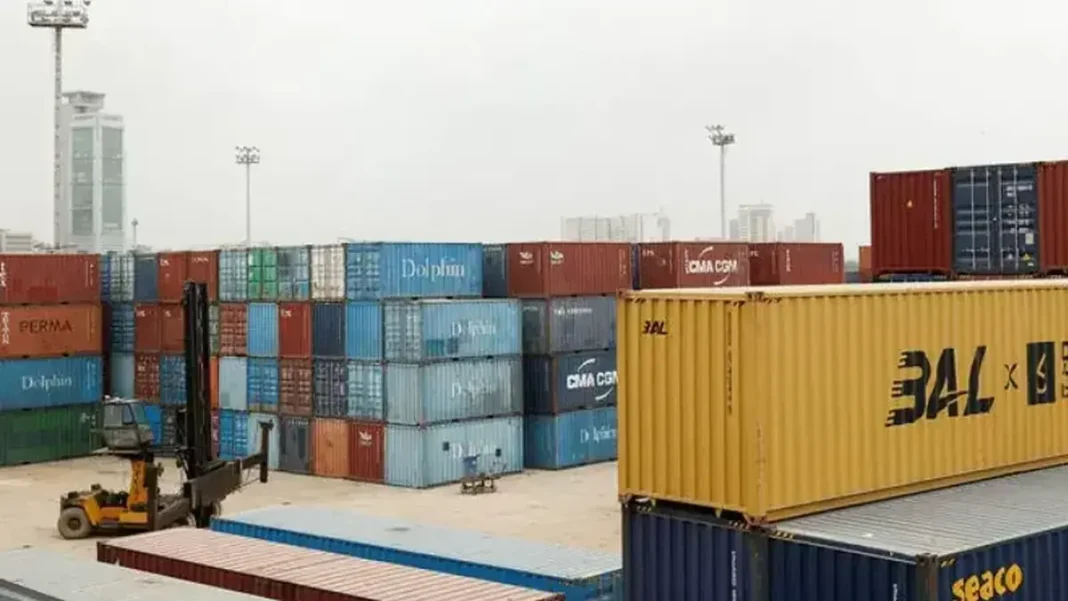
PSO, Pakistan LNG Limited, SSGC LPG and PARCO Pearl Gas will re-enter the import market to increase competition and secure supplies. Orders have already been placed for imported LPG shipments, with vessels carrying the fuel expected to arrive in Pakistan next week. The government expects the additional supplies and the new pricing arrangement to bring LPG prices down significantly.
Indigenous LPG producers will allocate 10 per cent of production to state-owned companies for distribution in remote and underserved areas. The remaining 90 per cent will be sold through transparent monthly auctions.
Subsidy fund for low-income households
The government will also establish a dedicated fund to subsidise LPG at an expected Rs300 to Rs350 per kilogram for households eligible under the Benazir Income Support Programme. The subsidy will be financed from the difference between the import-parity base price and the proceeds from auctions of locally produced LPG.
Additional measures include tighter quality testing, restrictions on unlicensed LPG filling and transportation, stronger safety standards, and action against cartelisation and undocumented imports. The government says the package will curb the black market that has pushed LPG far above official rates.
The reform comes after a winter of severe LPG shortages. A strike by LPG dealers was called off only last week, and the price of a domestic cylinder hit a record Rs6,498 earlier this year. Dealers were selling LPG at Rs700 to Rs800 per kilogram in some areas, against OGRA’s notified maximum price of about Rs295 per kilogram for November.
Why the change matters for households
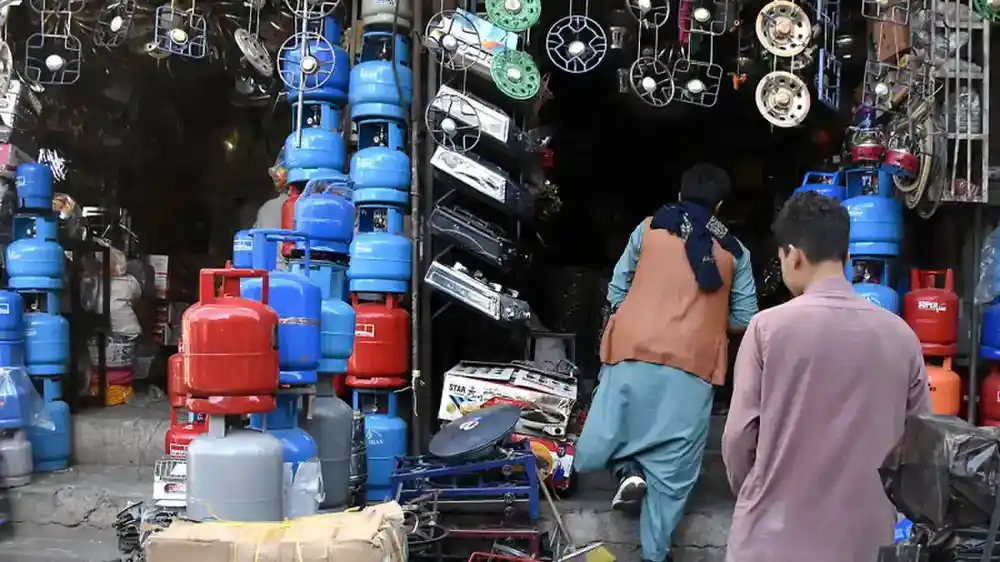
LPG is often called the poor man’s fuel, and millions of households depend on it for cooking as piped gas supplies shrink and new connections stay frozen. Pakistan’s annual LPG demand stands at about 2.4 million tonnes, with imports covering roughly 71 per cent of supplies. When imports stall, prices spike and the poorest families pay the most.
The government argues the old formula had become unworkable. OGRA set maximum prices using the Saudi Aramco contract price on a free-on-board basis, plus a fixed margin of Rs35,000 per tonne. That formula ignored the premium over the Saudi benchmark, freight, insurance, port handling and terminal charges, so importers had little reason to bring in cargoes.
The new arrangement is meant to fix that gap. State firms will import in bulk and publish the base price, while private importers stay free to arrange supplies at lower rates and compete. The government has already moved to allocate local LPG to state firms, and the pricing dispute even reached the courts earlier this year.
The test will come in the coming weeks. If the promised shipments arrive and the base price lands near the expected Rs450 to Rs500 per kilogram, households should see relief. If supplies lag, the black market will return. Fuel subsidy politics are already in focus in the twin cities, where petrol pumps halted a prime ministerial relief scheme.
What happens next
The first vessels under the new arrangement are due next week. OGRA’s monthly notifications end, and the state firms will publish the first import-parity base price. The Petroleum Division will frame operating rules for the subsidy fund within a month, in consultation with the Finance Ministry and BISP. ProPakistani reported the transfer of pricing authority.
Frequently asked questions
Who will now set LPG prices in Pakistan?
Pakistan State Oil and Sui Southern Gas Pipelines Limited will set LPG prices, taking over the role from the Oil and Gas Regulatory Authority.
What pricing system replaces OGRA’s notifications?
A deregulated import-parity system, in which state firms set a monthly base price based on the actual landed cost of imports.
How much will subsidised LPG cost for poor households?
The government plans a dedicated fund to provide LPG at an expected Rs300 to Rs350 per kilogram for households eligible under the Benazir Income Support Programme.
When will imported LPG shipments arrive?
Orders have been placed and vessels carrying imported LPG are expected to arrive in Pakistan next week.
What happens to locally produced LPG?
Producers will allocate 10 per cent of output to state firms for remote and underserved areas, while the remaining 90 per cent will be sold through transparent monthly auctions.