October arrives, and with it comes the cough. Your child starts school in the morning with a clear voice. By evening, the throat hurts, the nose runs, and the cough keeps the whole house awake. In fact, if this sounds familiar, you are not alone. Autumn is the season when throat and chest infections visit many homes with young children.
This article explains why chest infections in autumn hit children so hard, and how to tell a simple cold from something more serious. It also lists simple steps that can protect your child at home and at school.
Why Chest Infections in Autumn Hit Kids So Hard
Cold, dry autumn air is the first problem. It dries the nose and throat. As a result, the lining that normally traps germs works less well, and viruses find it easier to take hold. For example, a child who breathes cold air on the way to school starts the day with a weaker shield.
Autumn also pushes children indoors. They spend more time close together in warm rooms. In addition, schools bring hundreds of children together every day. When one child coughs, the germs reach many others fast. As a result, a single cold can sweep through a whole class.
The season itself also works against children. Respiratory viral infections become more common during autumn and winter. The Sher-i-Kashmir Institute of Medical Sciences (SKIMS) said this in a winter health advisory on 9 October 2026. Doctors in Kashmir also reported an earlier-than-usual rise in seasonal flu and respiratory infections in autumn 2026. Paediatrician Dr Suhail Naik advised parents to keep symptomatic children at home to reduce transmission.
Health experts gave the same advice this autumn. The SKIMS advisory urged good hygiene and frequent handwashing. It also advised avoiding crowded places and protecting children against the cold. In addition, it urged influenza and pneumonia vaccination, and restraint in antibiotic use. In short, these simple steps work best when the whole family follows them.
The Common Illnesses Behind Chest Infections in Autumn
Most autumn infections start small. A cold usually starts with a sore throat and a runny nose. The child also feels tired, sneezes often, and may have a mild fever. In most cases, a cold stays mild and passes with rest and fluids.
Sometimes the infection moves deeper. A chest infection can follow when the infection moves deeper into the airways. The cough turns heavy, and the child may also breathe faster than usual. This is the point when parents should watch the child closely.
The flu virus is another autumn visitor. Flu season in the Northern Hemisphere typically runs from October to March. Children under two years are at higher risk of flu complications. For this reason, the World Health Organization recommends an annual flu vaccine for everyone six months of age and older. A doctor can also advise whether the flu vaccine suits your child.
RSV: The Virus Behind Most Chest Infections in Babies
RSV is the most common cause of chest infections in babies and young children. It is also a highly contagious respiratory virus. In fact, it infects nearly every child by the age of two. It is also the leading cause of infant hospitalizations worldwide.
The numbers show how serious it can be. RSV causes about 33 million cases of pneumonia and bronchiolitis each year. It causes about 100,000 deaths in children under five each year. RSV peaks in fall and winter in temperate climates. As a result, the autumn months are exactly when parents should be most careful.
In babies under one year, RSV can cause bronchiolitis. This is inflammation of the tiny airways in the lungs. As a result, breathing becomes harder, and the baby may wheeze or feed less. In fact, most cases settle within one to two weeks. There is no specific cure, and the body usually clears the virus on its own. Prevention is simple: wash hands often, and keep children away from people who are sick.
How to Tell a Cold From Something More Serious
A cold and a chest infection can look alike at first. Both start with a cough and a blocked nose. However, a few signs show that the illness has moved deeper. The cough becomes heavy and does not ease. The child breathes faster, or seems to work hard to breathe. In addition, fever that stays high or comes back is a warning sign.
A sore throat that lasts more than a few days, or pain when swallowing, also deserves a doctor’s visit. Watch how your child behaves, not just the temperature. A child who plays, drinks, and sleeps fairly well is usually coping. On the other hand, a child who is too tired to play, refuses drinks, or struggles to breathe needs a doctor soon. In short, trust what you see, and act early if you feel worried.
How to Prevent Chest Infections in Autumn at Home
The World Health Organization shared a set of simple steps for children in cold weather on 10 October 2026. They work best when the whole family follows them.
First, teach your child to wash hands often with soap. In fact, handwashing is the simplest way to stop germs from reaching the nose and mouth. Second, teach cough and sneeze etiquette: use a tissue, or cough into the elbow. Third, open the windows every day to let fresh air in. Regular ventilation of homes and classrooms keeps the air cleaner.
Dress your child for the temperature, but do not overdress. A child who is too warm sweats, and damp clothes can chill the body later. In addition, keep your child away from secondhand cigarette smoke. Smoke also irritates young lungs and makes infections more likely. A smoke-free home is one of the best gifts for a child’s chest.
Food, water, and sleep matter too. A balanced diet with fruits and vegetables helps the body fight infection. For example, foods rich in antioxidants support the immune system — our guide to foods with more antioxidants than beets shows simple options for family meals. Enough water and enough sleep also keep the body’s defences strong.
Vaccination is another layer of protection. Follow the recommended vaccination schedule for your child. This also includes the seasonal flu vaccine, after consulting a doctor. The SKIMS advisory also urged influenza and pneumonia vaccination, along with restraint in antibiotic use.
Finally, do not reach for medicine on your own. Avoid self-medication, especially antibiotics for viral colds. Antibiotics do not work on viruses, and only a doctor decides if your child needs them. Also, do not give cough medicines to young children without professional guidance. A doctor knows what is safe for your child’s age.
What Schools Can Do to Slow the Spread
Schools are part of the answer too. Air the classrooms often, and avoid crowded, poorly ventilated spaces where possible. Teachers can also remind children to wash hands and to cover coughs. Small habits, repeated every day, slow the spread of germs.
The most important school rule is simple: keep a sick child at home to rest. A child with a fever or a heavy cough needs rest, not a classroom. Dr Suhail Naik gave the same advice to parents in Kashmir: keep symptomatic children at home to reduce transmission. In fact, one child resting at home can protect a whole class.
Smog in Punjab Makes It Worse
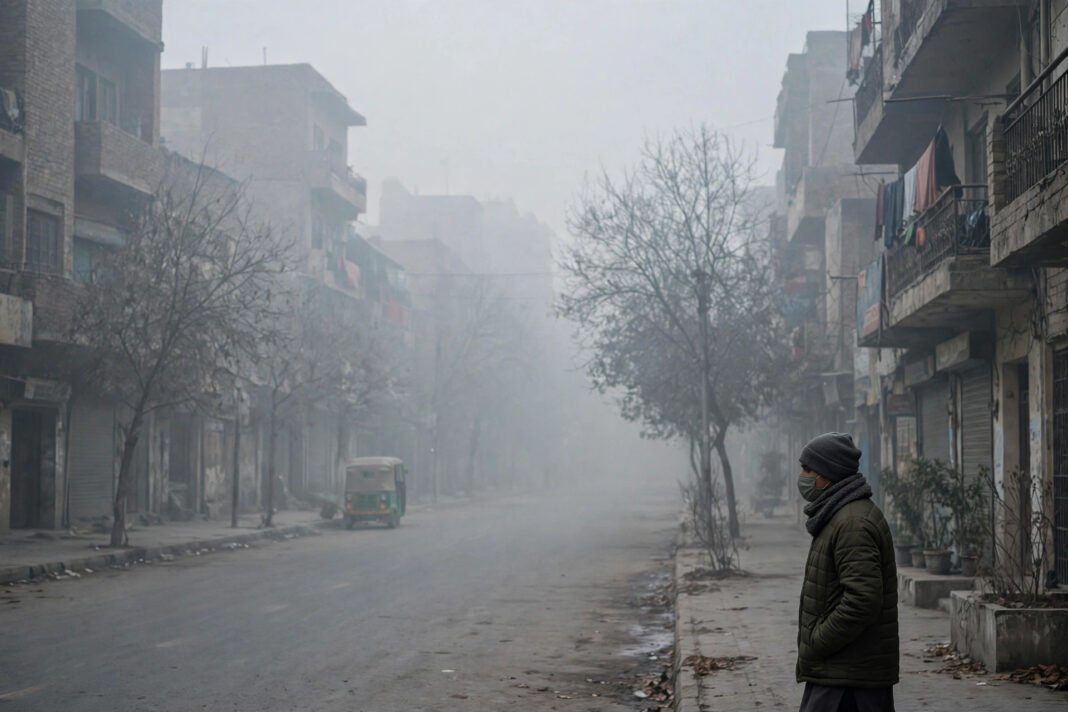
For children in Punjab, autumn brings one more danger: smog. Dirty autumn air makes children’s breathing problems worse. It also irritates the airways and adds to the strain on young lungs. Children who already have a cold or a chest infection suffer most. Our full guide on how smog affects health in Punjab explains what families can do about it.
On heavy smog days, keep children indoors as much as possible, and keep windows closed during the worst hours. Let fresh air in when the air looks clearer. In short, these small choices, day after day, protect young lungs through the smog season.
Warning Signs That Need a Doctor Right Away
Most autumn infections pass with rest and care at home. However, some signs mean your child needs urgent medical care. These are difficulty breathing, bluish lips or face, extreme tiredness, and dehydration. A fever in an infant under three months is also an emergency. Do not wait and see with these signs. Finally, take your child to a doctor, or to the nearest hospital, right away.
If you are unsure, ask a doctor. It is always better to ask early than to wait too long. A quick check can give you peace of mind, and it can catch a problem before it grows.
Autumn does not have to mean a season of coughing. In fact, clean hands, fresh air, good food, enough sleep, and timely vaccination can keep many infections away. And when illness does come, rest and watchful care help most children recover well.
This article is for general information only and does not replace medical advice. If your child has trouble breathing, see a doctor right away.
What do you do to protect your children from autumn coughs and colds? Share your tips in the comments, and tell us what works best in your home.