Pakistan Cotton Hits 83% of Sowing Target for FY27
Pakistan cotton sowing reached 82.8 per cent of its target for the 2026-27 fiscal year by 31 October, with cultivation covering 1.79 million hectares. Factory arrivals also improved, rising 7 per cent on the year to 4.743 million bales.
The figures show a sector moving in the right direction, but still short of where the government wants it to be. Arrivals are up, yet the sown area trails the target by about 370,000 hectares.
Pakistan cotton arrivals rise 7 per cent on the year
Cotton arrivals at factories reached 4.743 million bales as of 31 October 2026, compared with 4.437 million bales in the same period last year. The rise of about 306,000 bales is modest, but it breaks a run of weak seasons.
The increase was led by Sindh, where arrivals rose 9 per cent. Punjab recorded growth of 5 per cent. The improvement comes against a relatively low base, which means last year’s figures were weak rather than this year’s being strong.
Even so, the direction is welcome. Cotton arrivals remain well below the levels recorded in 2017 and 2018, when the crop was far larger. The figures underline how much ground the sector still has to recover.
Sindh leads growth in cotton arrivals
Sindh recorded cotton arrivals of 2.744 million bales as of 31 October, up from 2.528 million bales a year earlier. The 9 per cent rise made the province the larger contributor to the national total.
In Punjab, arrivals reached 1.999 million bales, compared with 1.909 million bales in the same period last year. That was an increase of 5 per cent.
Together, the two provinces brought total arrivals to 4.743 million bales. Sindh accounted for around 58 per cent of the total, while Punjab contributed about 42 per cent.
Sowing reaches 82.8 per cent of target
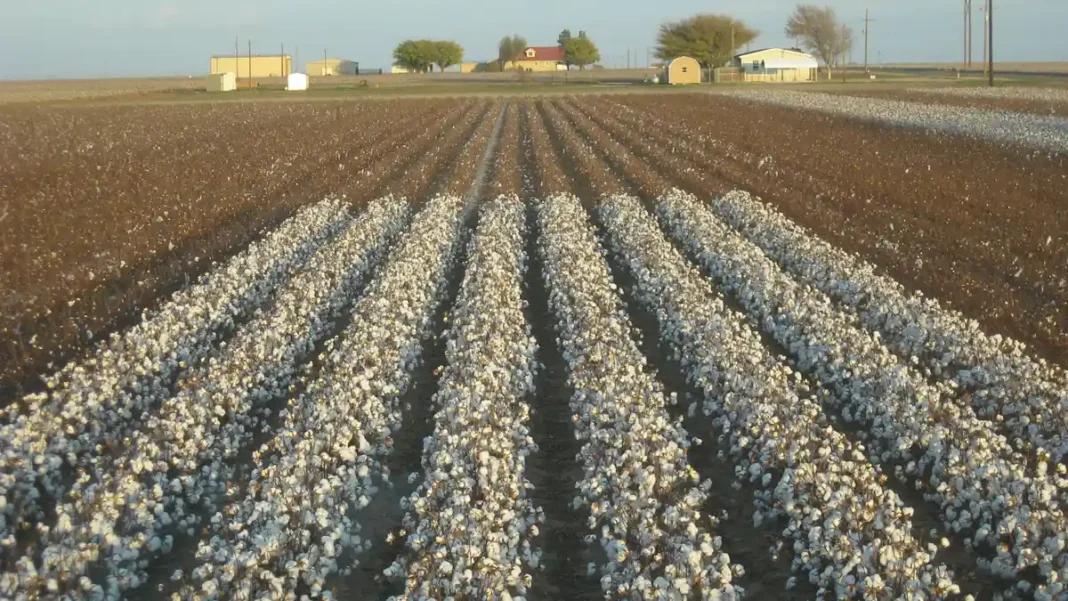
Progress on cotton sowing remains below the government’s target. Against the FY27 target of 2.16 million hectares, actual sowing reached 1.79 million hectares, equal to 82.8 per cent of the planned area.
The shortfall of about 370,000 hectares matters because the area under cultivation will be an important factor in deciding whether Pakistan can achieve its production ambitions for the current fiscal year. Fewer hectares mean fewer bolls at harvest, whatever the yield per hectare.
Water supply, seed quality and prices all shape sowing decisions. Growers plant cotton when they expect a fair return. When competing crops pay better, or water runs short, the cotton area shrinks.
Government targets production recovery in FY27
The government has set a cotton production target of 9.64 million bales for FY27, compared with reported production of 7.05 million bales in FY26. Achieving the new target would require an increase of about 2.59 million bales, or 36.7 per cent, over the previous year’s output.
That is a steep climb. Arrivals are up 7 per cent so far, but production needs to rise by more than a third. The gap between the two rates shows how far the crop still has to go.
The production target therefore represents a substantial recovery from FY26 levels. Although factory arrivals have improved year on year, the current sowing position indicates that achieving the government’s target will require stronger production performance in the months ahead.
For the textile sector, the stakes are plain. Pakistan’s total exports reached a record $11.4 billion in July to October, and textiles form the largest part of that total. A bigger cotton crop would cut import needs and support export orders.
Sugar millers have also sought permission to export, which shows farm-based industries are pushing for more room in foreign markets. Cotton growers will watch whether the government backs the crop with the same urgency.
What happens next
The next check will come with the harvest figures, which will show whether the sown area translated into bales. If yields hold up, arrivals should keep rising through the season. If water or pests cut yields, the 9.64 million bale target will slip out of reach.
The current account swung back to surplus in October as remittances rose and the trade gap narrowed. A stronger cotton crop would help that balance further by cutting raw cotton imports. IT exports also hit a record $453 million in October, which shows export growth is not limited to farm goods.
For now, the cotton season is on a better path than last year. The test is whether it can close the gap to the target, or whether the 82.8 per cent sowing figure marks the limit of this year’s recovery.
Frequently asked questions
How much of the cotton sowing target has Pakistan achieved?
Pakistan achieved 82.8 per cent of its FY27 cotton sowing target by 31 October, with actual cultivation reaching 1.79 million hectares against a target of 2.16 million hectares.
How many cotton bales arrived at factories?
Cotton arrivals at factories reached 4.743 million bales as of 31 October 2026, up 7 per cent from 4.437 million bales in the same period last year.
Which province led cotton arrivals?
Sindh led with 2.744 million bales, up 9 per cent on the year. Punjab recorded 1.999 million bales, up 5 per cent. Sindh accounted for about 58 per cent of total arrivals.
What is the cotton production target for FY27?
The government has set a cotton production target of 9.64 million bales for FY27, compared with reported production of 7.05 million bales in FY26. That requires a rise of about 36.7 per cent.
Why does the cotton crop matter for Pakistan?
Cotton feeds the textile industry, the country’s largest export earner. A weak crop forces mills to import raw cotton, which costs foreign exchange, while a strong crop supports farm incomes and export earnings.