ADB Approves $500m Pension Reforms Loan for Pakistan
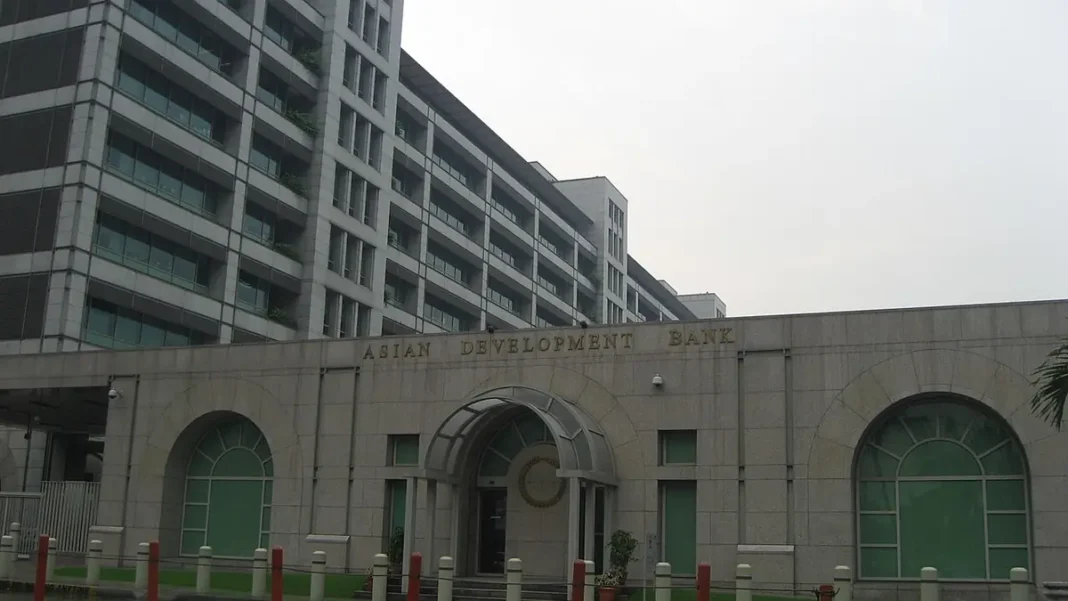
The Asian Development Bank has approved a $500 million pension reforms loan to help Pakistan fix its federal civil pension system, where spending has risen nearly fivefold since fiscal year 2016 and now exceeds Rs1 trillion a year.
The bank approved the results-based loan on Tuesday. It said the reforms would help contain rising pension-related fiscal pressures, strengthen the sustainability of the pension system, and free up fiscal space for development and social spending.
Pakistan’s federal pension spending had grown nearly fivefold since fiscal year 2016 and exceeded Rs1 trillion a year, the bank said in its statement.
An unfunded scheme under strain
The problem, according to the bank, is the structure of the old scheme. “Its longstanding unfunded and non-contributory legacy defined benefit scheme was financed entirely through annual budget allocations, creating growing fiscal pressure as pension obligations increased over time,” the statement said.
In plain terms, the government has been paying pensions directly from each year’s budget, with no fund built up behind them. As the number of pensioners grows, the bill takes a bigger share of the budget each year, leaving less for everything else.
Finance Minister Muhammad Aurangzeb has said the fiscal deficit is at a 22-year low, but pension costs are one of the pressures that make that progress hard to hold. Government debt has reached Rs342,000 per person, which shows why the state needs room in the budget for growth spending rather than fixed bills.
What the pension reforms loan will support
The financing will support the first phase of the Government of Pakistan’s Pension Reform Implementation Plan. It will also support the transition to the defined contribution pension scheme, under which federal civil employees appointed from July 2024 must take part.
Under a defined contribution scheme, pensions are built from contributions made during service, rather than paid in full from the budget after retirement. The shift is meant to stop the pension bill from growing without limit.
The bank said its support would help improve pension management to reduce liabilities, boost financial transparency through digital systems, and improve pension service delivery and financial literacy among beneficiaries.
“Pakistan had taken important steps to strengthen its federal pension system, and this programme would help sustain and institutionalise those reforms,” said ADB Country Director for Pakistan Emma Fan.
“ADB’s support would help achieve lasting results by strengthening institutions, improving transparency, and supporting a more sustainable pension system,” she added.
A second $500 million approval in a week
The pension loan is the second $500 million ADB approval for Pakistan in a week. On 11 November, the bank approved $500 million in contingent disaster financing facilities to help the country withstand and respond to natural disasters, providing prompt budget support after eligible disaster events.
That financing was approved under the bank’s policy-based lending. It was aimed at reducing the economic and fiscal impact of disasters, including floods and earthquakes.
Floods, earthquakes and other disasters cause Pakistan an estimated $2 billion in average annual losses, the bank said. The 2022 floods alone caused $14.9 billion in direct damage and $15.2 billion in economic losses, pushing as many as 9.1 million people into poverty.
The two approvals together show how the bank is treating Pakistan’s fiscal risks: one facility for sudden shocks, and one programme for a slow-moving bill that grows every year.
Why this matters for ordinary Pakistanis
Pension reform rarely makes headlines, but it shapes what the state can afford. Every rupee spent on the pension bill is a rupee not spent on schools, hospitals, roads or social protection.
Aurangzeb has spoken of moving Pakistan from aid to trade, and that shift depends on the budget having room to invest. A pension system that pays for itself over time is part of that room.
The government is also expanding social protection in other directions, including BISP help for unmarried women over 45. The pension loan and that support point the same way: the state is trying to protect people while making the money last.
The test now is delivery. The loan is results-based, which means the money follows reforms that actually happen. If the defined contribution scheme beds in and the digital systems work, the pension bill should grow more slowly, and the budget should have more space for development.
Frequently asked questions
How much is the ADB pension loan?
The Asian Development Bank has approved a $500 million results-based loan for Pakistan’s federal pension reforms.
Why does Pakistan need pension reform?
Federal pension spending has grown nearly fivefold since fiscal year 2016 and now exceeds Rs1 trillion a year, putting growing pressure on the budget.
What is the defined contribution scheme?
It is the new pension scheme for federal civil employees appointed from July 2024, under which pensions are built from contributions during service rather than paid in full from the budget after retirement.
What did the ADB country director say?
Emma Fan said Pakistan had taken important steps to strengthen its federal pension system, and the programme would help sustain and institutionalise those reforms.
Did the ADB approve other funding for Pakistan recently?
Yes. On 11 November it approved $500 million in contingent disaster financing to help Pakistan withstand and respond to natural disasters.