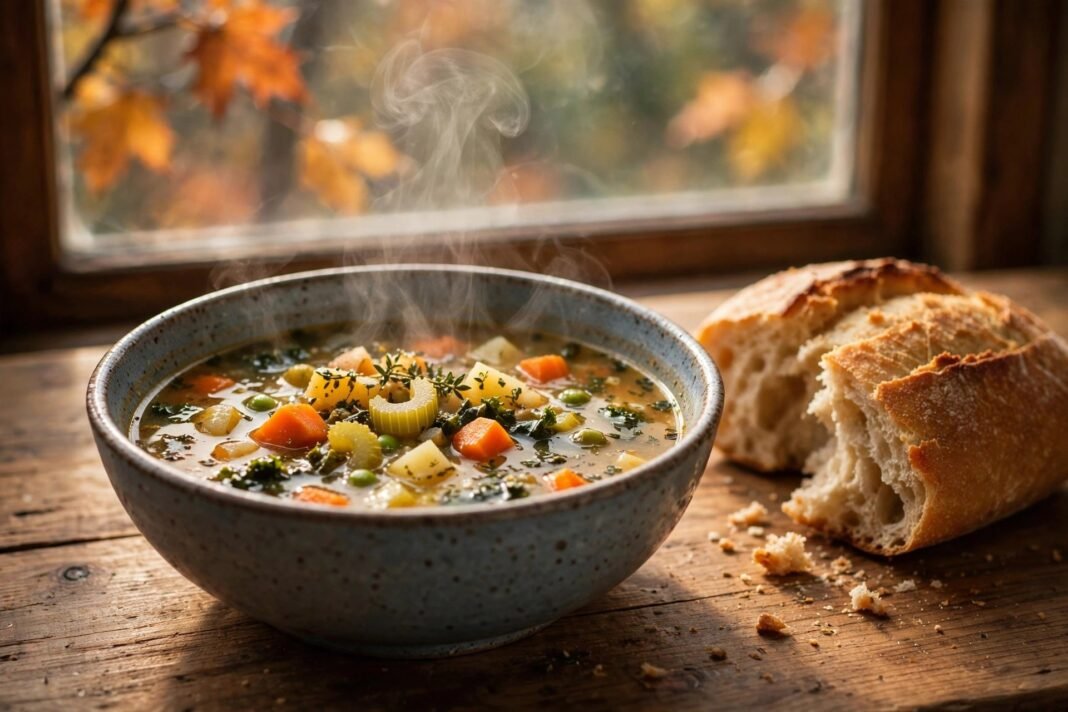
One week you are happy with a light salad and a piece of fruit. The next week, all you want is soup, warm bread and something rich from the oven. The days are shorter, the air is cooler, and suddenly your appetite has changed. If this sounds familiar, you are not alone. Autumn food cravings are a real and common part of the season, and there is a good reason behind them.
What Are Autumn Food Cravings?
Autumn food cravings are the strong urges many people feel for warm, filling food as the season changes. Instead of light meals, the body starts asking for bread, pasta, potatoes, soups and baked treats. The cravings often arrive with the first cold evenings, and they can last all through the darker months.
For many people, these cravings feel confusing. You may wonder why your willpower seems weaker than it was in summer. In fact, willpower has very little to do with it. Your body is responding to shorter days, cooler air and a slower pace of life. Once you understand why it happens, the cravings become much easier to handle.
Why Less Daylight Changes Your Appetite
Sunlight does more than light up your day. It also affects serotonin, a brain chemical that helps control mood, appetite and sleep. When days grow shorter in autumn, the body gets less natural light, and serotonin activity can drop. As a result, mood can dip, hunger can rise, and meals may feel less satisfying than before.
Carbohydrates play a part in this story too. When you eat carbs, the body releases insulin. Insulin helps tryptophan, a building block of serotonin, reach the brain more easily. So a bowl of pasta or a slice of warm bread can give a short lift in mood. That is why comfort food genuinely feels comforting on a cold, grey day.
Meanwhile, your internal clock is shifting as well. The body uses daylight to keep its 24-hour rhythm on track. With fewer hours of light, sleep, energy and appetite can all drift out of sync. Poor sleep can then push hunger even higher the next day, because a tired body looks for quick energy. If low mood and a bigger appetite arrive together each autumn, you may find our guide on seasonal affective disorder and autumn mood helpful.
The Warmth Factor: Your Body Wants Fuel
Cold weather changes how the body uses energy. When the temperature drops, the body burns more fuel to keep its core warm. Shivering uses energy too. So the body looks for extra energy from food, and it often asks for the fastest source it knows: warm, starchy meals.
Eating itself creates warmth as well. Digesting food uses energy, and that process gives off heat. A hot meal therefore warms you in two ways at once. It is no surprise that the brain learns to look for warm food when the air turns cold. A bowl of soup on a chilly evening feels good because it truly does warm you from the inside.
There may also be an old survival instinct at work. Long ago, before modern heating and food shops, winter meant cold and scarce food. People who ate more in autumn and stored a little extra energy were more likely to get through the hard months. Today food is easy to find all year, but that old instinct may still be part of our biology.
How Autumn Food Cravings Change Your Eating Habits
Autumn food cravings do not only change what you eat. They also change how you eat. As the evenings draw in, people spend more time indoors and less time outside. The kitchen is close by, the sofa is comfortable, and snacking in the evening becomes an easy habit.
Meals can grow heavier too. Fresh salads give way to rich stews, creamy sauces and second helpings. Meanwhile, the habit of a sweet treat after dinner can quietly become a daily routine. None of this is a moral failing. It is simply how appetite and routine shift with the season.
Mood plays a role as well. Low mood is linked to emotional eating, and comfort food often carries happy memories. The meals we loved as children, such as a family soup or a baked dish, can bring back feelings of warmth and safety. So when the days feel dark and cold, reaching for those foods is a natural way to seek comfort.
Handling Autumn Food Cravings Without Guilt
You do not need to fight autumn food cravings, and you do not need to feel guilty about them. A few simple habits can help you enjoy warm food while keeping your appetite in balance.
- Eat regular meals. Skipping a meal makes cravings stronger later, so try to eat at steady times through the day.
- Choose warm, filling meals. Soups, stews, roasted vegetables and wholegrain bread can satisfy a craving for warmth without leaving you hungry an hour later.
- Add protein and fibre. Beans, lentils, eggs and seeds help you feel full for longer. For example, adding seeds to soups and salads is a simple way to make a meal more filling — see our guide to the health benefits of seeds.
- Get daylight every day. A short walk outside in the morning helps your mood and your internal clock, and that can calm appetite too.
- Move your body. Gentle movement lifts mood and gives you energy, so you lean less on food for comfort.
- Eat slowly and enjoy it. When you take time over a meal, your body has a better chance to notice that it is full.
- Keep healthy snacks in sight. Fruit, nuts and yoghurt within easy reach make a good choice the easy choice.
- Allow the comfort food sometimes. An occasional bowl of pasta or a slice of cake is part of enjoying the season. Guilt only makes cravings stronger, not weaker.
Balanced meals built around vegetables and whole foods also support your general health. For ideas, see our guide to foods that lower blood pressure.
When to Talk to a Doctor
For most people, autumn food cravings are a normal part of the season. However, it is worth talking to a healthcare professional if low mood lasts for weeks, if you sleep far more than usual and struggle to get up, or if changes in appetite feel strong and hard to control. These can be signs of a seasonal mood problem, and help is available. You do not need to work it out alone.
Autumn food cravings are your body responding to shorter days, cooler air and a slower season. They are normal, they are common, and they are not a sign of weak willpower. Warm meals, regular routines, daylight and gentle movement can keep them in balance. So enjoy the soup, enjoy the season, and be kind to yourself along the way.
What comfort food do you crave most when autumn arrives? Share your answer in the comments.
This article is general information, not medical advice. Please speak to a healthcare professional if you are worried about your health.