Pakistan: Nuclear Weapons Decisions Must Stay Human
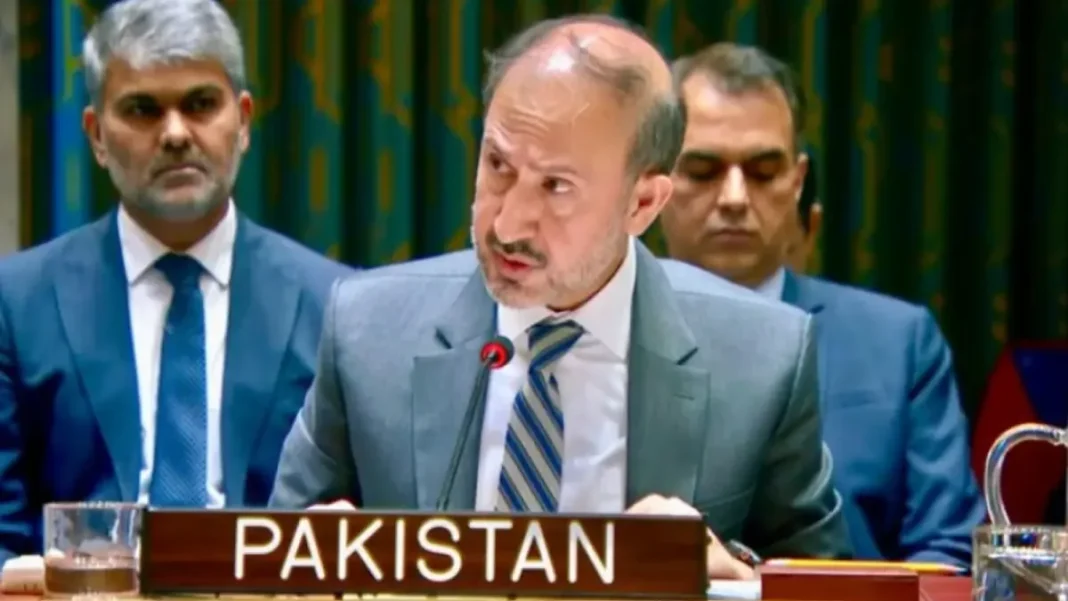
Pakistan has told the United Nations Security Council that nuclear weapons decisions must remain under human control, and that artificial intelligence systems must never be used to target nuclear command, control and communications systems. The warning came from Ambassador Syed Haider Shah, Pakistan’s Permanent Representative to the UN, at a high-level debate on Wednesday on conflict resolution in an era of rapid technological change, Dawn reported.
“This is most critical in the nuclear domain, where decisions on the use of nuclear weapons must remain under human control, and AI systems must never be used to target nuclear command, control and communications systems,” Ambassador Shah said.
He cautioned that rapid advances in emerging technologies were adding speed, scale and complexity to security challenges, and could intensify the arms race. Technology itself was neutral, he said, and its impact depended on the intentions of those using it.
Why nuclear weapons decisions matter in South Asia
The remarks carry weight in South Asia, where both Pakistan and India possess nuclear weapons. The security of nuclear command, control and communications systems is therefore a direct concern for the region, not an abstract debate.
Shah called for restraint and confidence-building measures to cut the risk of miscalculation and compressed decision-making, above all in the nuclear field. He also urged practical steps such as crisis communication, deconfliction and mutual restraint to prevent accidental escalation.
Safeguards, rules and equal access
Shah called for safeguards, regulations and governance frameworks to make sure technological advances served peace rather than becoming tools of geopolitical dominance and war. He said human judgement and control should be kept at every stage of technological design, development and integration.
He warned against advanced technologies becoming the monopoly of a few powerful countries. All states, including developing countries, should take part in their fair and inclusive development, he said. Measures taken in the name of safety should not be used to deny other countries access to technology and infrastructure, and every state kept its right to the peaceful use of technology.
“Delaying regulation to secure advantage and domination will not work,” he cautioned. He added that selective forums with limited representation would not help, and arms control talks should take place in inclusive multilateral forums under UN auspices.
Misinformation, cyberattacks and peacekeeping
Shah also raised the dangers of misinformation, disinformation, fake news and cyberattacks, including attacks on critical infrastructure by state and non-state actors. “The UN Charter and international law apply in all situations, irrespective of underlying technologies,” he said, calling for joint work to clarify how the law applies and to take concrete action against emerging threats.
He said the fragmented nature of emerging technologies called for layered governance, accountability and legally binding instruments where fitting. The Security Council’s work on new technologies should focus on operational effects, including peacekeeping, peacebuilding and conflict resolution, he added.
He also noted that artificial intelligence and unmanned aerial vehicles could improve civilian protection and the safety of UN peacekeepers. At the same time, the use of such tools by terrorist groups needed attention when Council mandates came up for renewal.
A wider debate on AI and arms control
Pakistan’s intervention fits a wider UN debate about how fast-moving technology affects war and peace. The UN chief has pressed for a framework to manage AI risks, while the United States and China have discussed guardrails for military AI, and Bilawal Bhutto Zardari has urged dialogue between Iran and the United States to ease regional tensions. Warnings about the world economy and the risks of conflict have also grown louder in recent weeks.
The debate will continue as states negotiate rules for technologies that move faster than the laws meant to govern them. Pakistan’s message was plain: keep human beings in charge of the most dangerous decisions, and write the rules together.
Frequently asked questions
What did Pakistan ask for at the UN?
Pakistan asked that decisions on the use of nuclear weapons remain under human control, and that AI systems never be used to target nuclear command, control and communications systems.
Who delivered Pakistan’s message?
Ambassador Syed Haider Shah, Pakistan’s Permanent Representative to the United Nations, spoke at a high-level open debate of the Security Council on Wednesday.
Why does the issue matter for South Asia?
Both Pakistan and India possess nuclear weapons, so the security of nuclear command systems is a direct regional concern, and miscalculation could carry grave risks.
What else did Pakistan warn about?
Shah warned about misinformation, disinformation, fake news and cyberattacks on critical infrastructure, and about advanced technology becoming the monopoly of a few powerful states.
What kind of rules does Pakistan want?
Pakistan wants safeguards, regulations and governance frameworks agreed in inclusive UN forums, including legally binding instruments where fitting.