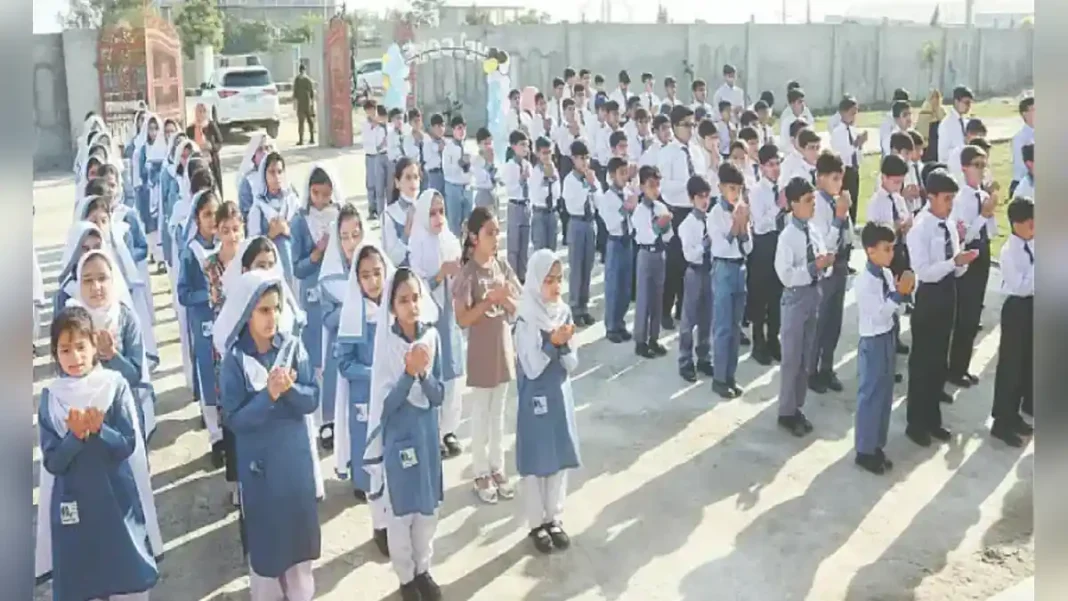
Punjab School Cleaning Ban Ends Student Sweeping Duty
The Punjab school cleaning ban took effect across the province after the School Education Department told schools to stop using pupils for sweeping, mopping and toilet cleaning, and warned heads of strict action for any breach.
The department issued the directive on November 27. It said it had received reports that pupils in some public schools were being told or forced to sweep classrooms and keep school premises clean. The department called the practice unacceptable and contrary to the purpose of schools, which exist to provide a safe, dignified and supportive place to learn.
What the Punjab school cleaning ban covers
Under the instructions, no pupil may be assigned or forced to sweep, mop, collect rubbish or carry out any other sanitation work inside or outside school premises. Pupils must also not clean toilets, handle waste or do tasks that expose them to health or safety risks.
The department also told head teachers and school staff that no pupil should face discrimination, coercion or punishment in the name of keeping the school clean. Heads of institutions must arrange cleaning through designated staff or other officially approved means.
Staff checks and seven-day reports
Chief executive officers of district education authorities, district education officers and field officers must check whether schools have enough sanitation staff and fill gaps through approved administrative steps.
Schools must also set up regular cleaning routines, with routine checks of classrooms, washrooms, drinking water points and the area around the school.
Any head teacher, teacher or school employee found making pupils do cleaning work will face disciplinary action under the rules. District officers will carry out surprise visits to check compliance, and chief executives must send a combined compliance report to the department within seven days, confirming that pupils are not doing cleaning work and that proper arrangements are in place.
Schools must also display copies of the instructions on their notice boards so teachers, pupils and parents can read them. The department warned that neglect or failure to enforce the instructions would be treated seriously and could lead to disciplinary proceedings.
Why the order matters for classroom time
The order protects learning time. When pupils sweep floors or clean washrooms, they lose time meant for lessons, and the work can put their health at risk. Article 25-A of the Constitution gives every child aged five to 16 the right to free and compulsory education, a right the order protects by keeping schools focused on teaching.
The move also fits a wider push to improve the school day. Punjab has been testing artificial intelligence tools to train teachers in its schools. The World Bank has reviewed its education work in the province, where it funds a large school programme. In Khyber Pakhtunkhwa, a school meal programme for 10,000 primary pupils in Peshawar started this week. Sindh has also tightened school rules, with colleges told to enforce a 75 per cent attendance rule.
Parents and teachers can now point to a written order if a school asks pupils to clean. The seven-day reporting deadline gives the department a quick way to find out which districts still lack sanitation staff and where the gaps are widest.
Frequently asked questions
What does the Punjab school cleaning ban stop?
It stops schools from making pupils sweep, mop, collect rubbish, clean toilets, handle waste or do any other sanitation work inside or outside school premises.
Which pupils does the order cover?
It covers pupils in public schools across Punjab. The department issued the directive after reports that pupils in some public schools were being told or forced to do cleaning work.
Who must arrange cleaning instead?
Heads of institutions must arrange cleaning through designated sanitation staff or other officially approved means, and district education officers must check staffing and fill gaps.
What happens to staff who break the order?
Any head teacher, teacher or school employee found making pupils do cleaning work will face disciplinary action under the rules, and negligence in enforcing the order can lead to disciplinary proceedings.
How will the department check compliance?
District officers will carry out surprise inspections, and chief executives of district education authorities must send combined compliance reports to the department within seven days.