Pakistan’s provinces are run not by chief ministers alone but by provincial cabinets — ministers for finance, health, education, home affairs and more, each heading a department. This guide explains how provincial ministers are appointed, what portfolios exist, and who currently sits in the four provincial cabinets.
Quick answer: Each of Pakistan’s four provinces has a cabinet of ministers appointed by its chief minister — covering portfolios like finance, home, health, education and law. Punjab’s cabinet serves under CM Maryam Nawaz (PML-N), Sindh’s under Murad Ali Shah (PPP), KP’s under Sohail Afridi (PTI) and Balochistan’s under Sarfraz Bugti (PPP).
In this guide: How provincial cabinets are formed · The standard portfolios · The four cabinets today · Provincial vs federal ministers · FAQs
How Provincial Cabinets Are Formed
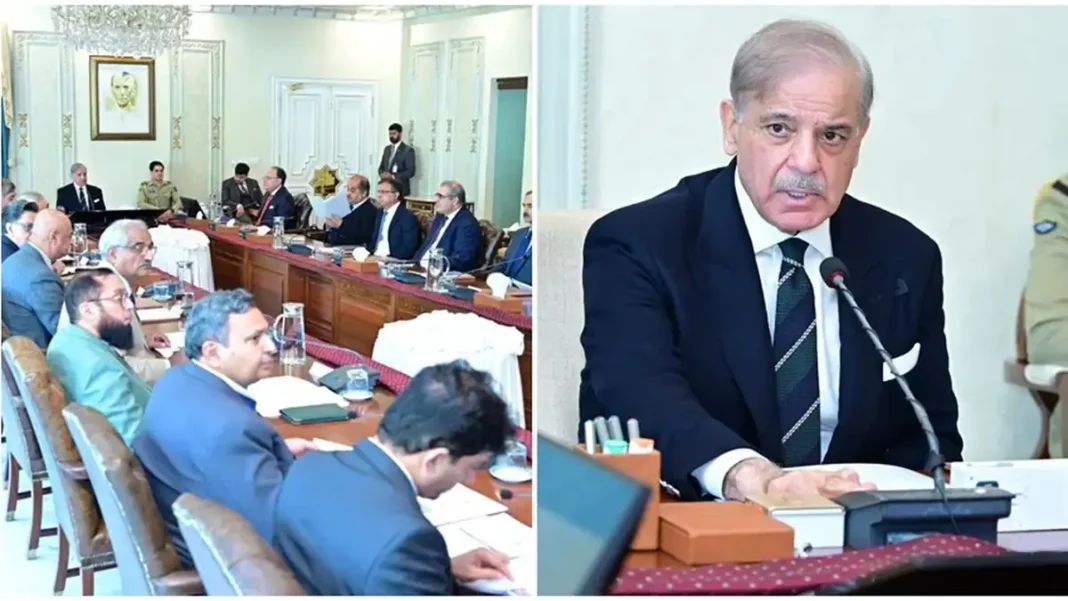
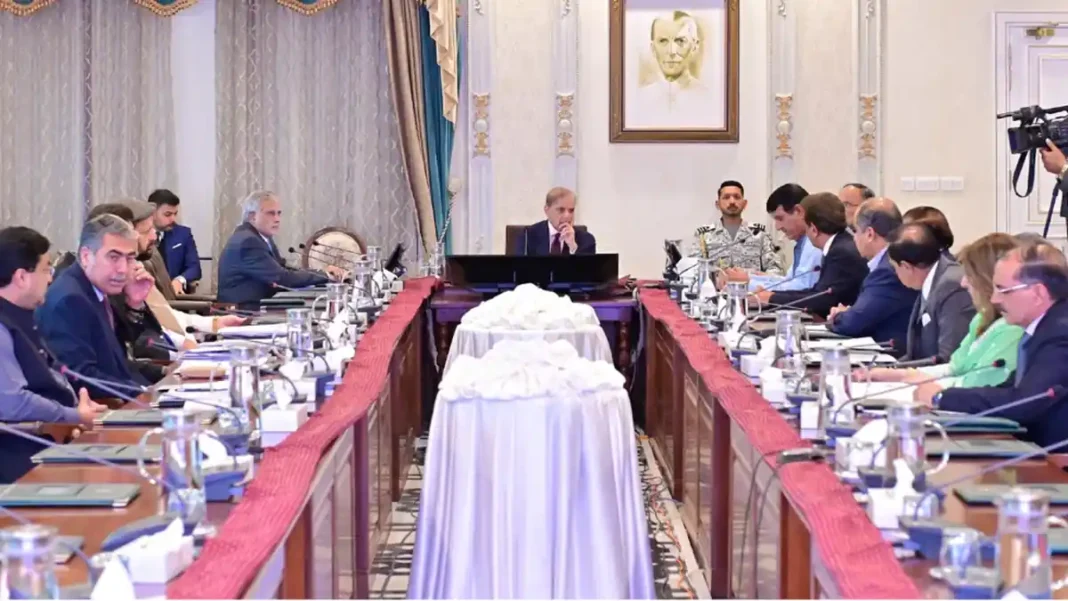
Under the Constitution’s provincial-government provisions, the chief minister appoints provincial ministers from among the members of the provincial assembly, and they hold office during the CM’s pleasure. In practice, cabinet formation is the first big political negotiation after a provincial election: coalition partners demand portfolios, senior MPAs expect rewards, and the CM balances competence against loyalty.
There is no fixed cabinet size in the Constitution, but convention and fiscal pressure keep most provincial cabinets between 15 and 25 ministers, plus advisers and special assistants who attend cabinet without full ministerial rank. Oaths are administered by the provincial governor.
The Standard Portfolios
Every province maintains roughly the same departmental structure — a legacy of the colonial-era secretariat system:
- Finance — the provincial budget, the most powerful portfolio after the CM’s office.
- Home — police, law and order, prisons.
- Education — schools and colleges (a provincial subject since the 18th Amendment).
- Health — hospitals and public health programmes.
- Law and Parliamentary Affairs — legislation and the assembly’s business.
- Local Government — municipal administrations.
- Agriculture, Irrigation, Energy, Transport, Labour, Social Welfare — the sectoral departments.
A senior minister is often designated as the CM’s deputy in practice — in Punjab, Marriyum Aurangzeb serves in that senior role under Maryam Nawaz.
The Four Provincial Cabinets Today
Punjab — Maryam Nawaz’s cabinet (PML-N)
The largest cabinet in the country, reflecting Punjab’s 371-member assembly. Senior Minister Marriyum Aurangzeb handles planning and development; the cabinet’s early focus has been the school enrolment drive, health-card expansion and price-control campaigns. Key posts — finance, home, law — are held by PML-N MPAs from the party’s central-Punjab core.
Sindh — Murad Ali Shah’s cabinet (PPP)
The most stable of the four: the PPP’s unbroken majority lets Shah appoint technocrat-leaning ministers without coalition bargaining. Portfolios skew toward Karachi development, irrigation and energy — the province’s perennial priorities. Senior PPP figures hold finance and local government.
Khyber Pakhtunkhwa — Sohail Afridi’s cabinet (PTI)
The opposition’s cabinet. Afridi, who took office in October 2025, appointed PTI loyalists with a mandate to confront the federal government — his finance adviser Muzammil Aslam sits on the National Economic Council as the province’s voice. The cabinet’s politics are inseparable from the PTI’s street-movement strategy.
Balochistan — Sarfraz Bugti’s cabinet (PPP-led coalition)
The most negotiated cabinet: Balochistan’s fractured assembly forces a coalition distribution of portfolios among the PPP and its allies. Security and development portfolios dominate, reflecting the province’s twin challenges of militancy and underdevelopment.
Provincial Ministers vs Federal Ministers
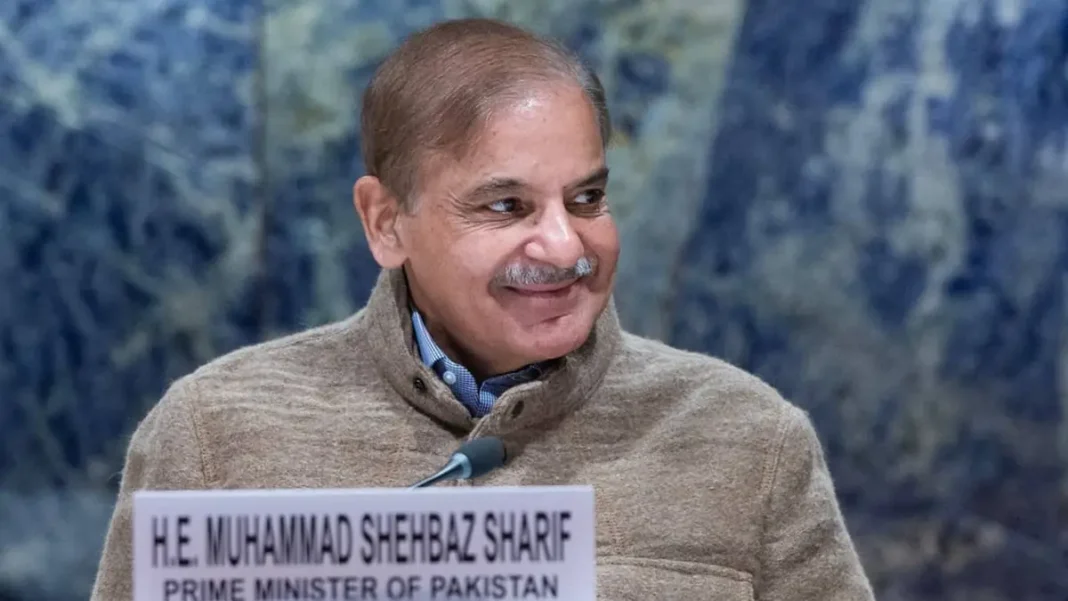
The distinction matters. Federal ministers — like Finance Minister Muhammad Aurangzeb or Defence Minister Khawaja Asif — serve in Prime Minister Shehbaz Sharif’s cabinet in Islamabad and handle national subjects. Provincial ministers serve under their chief minister in Lahore, Karachi, Peshawar or Quetta and handle devolved subjects. The two tiers meet in forums like the National Economic Council (chaired by the PM, with all four CMs and nominated provincial ministers as members) and the Council of Common Interests.
For the people at the top of each provincial government, see the current chief ministers of Pakistan; for the office itself, our CM explainer.
Frequently Asked Questions
Who appoints provincial ministers in Pakistan?
The chief minister of each province appoints provincial ministers from among the provincial assembly’s members. They are sworn in by the provincial governor.
How many ministers are in a provincial cabinet?
There is no constitutional fixed number, but most provincial cabinets have 15–25 ministers, plus advisers and special assistants.
Who is the senior minister of Punjab?
Marriyum Aurangzeb serves as senior minister in Maryam Nawaz’s Punjab cabinet, handling planning and development.
What is the difference between a federal and a provincial minister?
Federal ministers serve in the prime minister’s cabinet in Islamabad on national subjects; provincial ministers serve in a chief minister’s cabinet on devolved provincial subjects like education, health and policing.