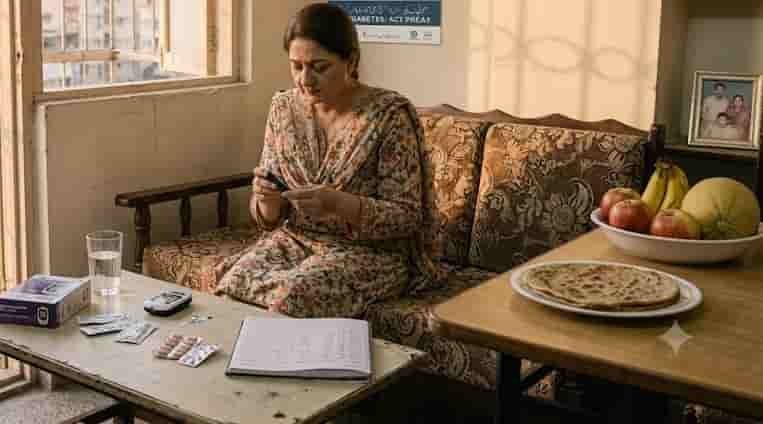


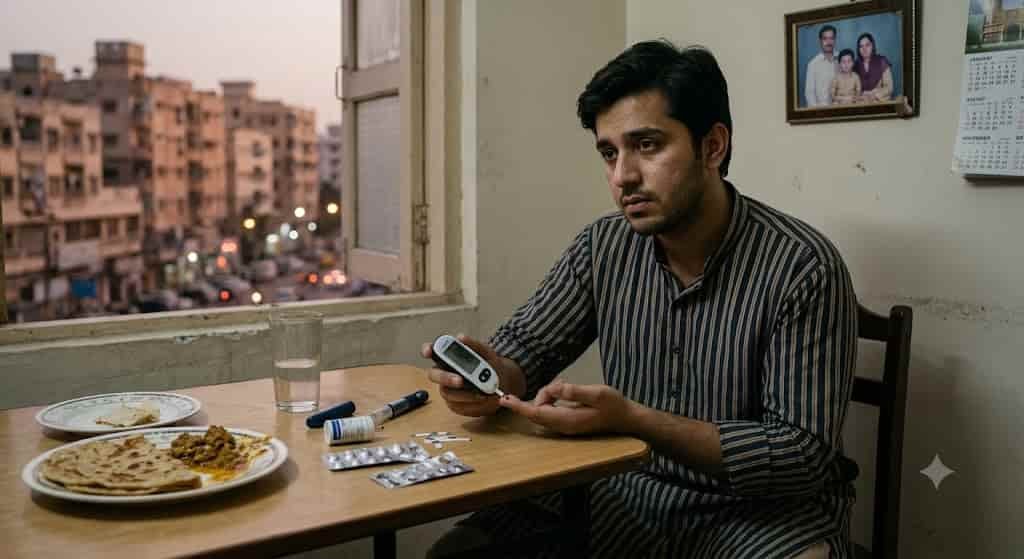
Diabetes was once considered a health problem that mainly affected people in middle or older age. That picture is changing rapidly.
Today, diabetes in young people in Pakistan has become an important health concern. Many young adults are developing high blood sugar, insulin resistance, prediabetes, and type 2 diabetes much earlier than expected.
This shift matters because developing diabetes at a younger age can mean living with the condition for many more years. It may also increase the lifetime risk of complications if people do not identify and manage the condition early.
Pakistan already faces a major diabetes burden. However, the growing risk among younger generations adds another layer to the challenge.
So, why are young Pakistanis becoming vulnerable so early?
There is no single explanation. Changes in diet, physical activity, body weight, sleep, stress, family history, and everyday routines can all contribute.
Understanding these factors may help young people recognize their risks before serious problems develop.
Why Diabetes in Young People in Pakistan Deserves Attention
Type 2 diabetes develops when the body struggles to use insulin effectively. Over time, the pancreas may also struggle to produce enough insulin to keep blood glucose within a healthy range.
Previously, doctors associated type 2 diabetes mainly with adults. However, rising obesity and increasingly inactive lifestyles have changed the risk profile around the world.
Pakistan faces several additional challenges.
Large numbers of people may live with abnormal blood sugar without recognizing the warning signs. Others may discover diabetes only during routine testing or after symptoms become difficult to ignore.
Young adults often assume diabetes is an older person’s disease. As a result, they may overlook symptoms such as unusual thirst, frequent urination, unexplained tiredness, blurred vision, slow-healing wounds, or unexpected weight changes.
Early awareness therefore matters.
1. Weight Gain Is Becoming a Major Risk Factor
Excess body fat can increase the risk of insulin resistance.
When cells become less responsive to insulin, the body needs more insulin to control blood glucose. The pancreas may initially compensate by producing additional insulin.
However, this system can struggle over time.
Young adults who carry excess weight, particularly around the waist, may face greater metabolic risks. This does not mean every overweight person will develop diabetes, but excess weight remains an important modifiable risk factor for type 2 diabetes.
The problem often starts gradually.
A little weight gain during university life may continue after graduation. Desk jobs, long commutes, limited exercise, restaurant meals, and late-night eating can make maintaining a healthy weight harder.
That combination can eventually increase diabetes risk.
2. Fast Food Has Changed Everyday Eating Habits
Pakistan’s food culture has changed considerably, particularly in urban areas.
Burgers, pizzas, fried chicken, fries, processed snacks, bakery products, and heavily refined foods have become convenient choices for many young consumers.
Food delivery apps make high-calorie meals even easier to access.
Eating these foods occasionally does not automatically cause diabetes. Problems can develop when calorie-dense, highly processed foods regularly replace balanced meals containing vegetables, whole grains, legumes, fruit, and other nutrient-rich foods.
Portion size matters too.
A meal may include a burger, fries, sauce, dessert, and a sugary drink. Together, these foods can provide far more energy than the body needs, particularly when someone spends most of the day sitting.
Over time, the pattern may contribute to weight gain and metabolic problems.
3. Sugary Drinks Can Add Large Amounts of Sugar
Soft drinks, sweetened juices, energy drinks, flavored coffees, milkshakes, and sweetened tea can add significant amounts of sugar and calories to a person’s daily intake.
The problem is easy to underestimate.
People often think carefully about what they eat while paying little attention to what they drink.
A young person may consume several sweet drinks during university, work, social gatherings, or late-night study sessions.
Those calories can accumulate quickly.
Replacing sugary drinks with water or unsweetened alternatives can therefore be one practical step toward improving overall dietary habits.
4. Young Pakistanis Are Moving Less
Modern life requires surprisingly little movement.
Students can spend hours attending classes, studying, scrolling through phones, gaming, watching videos, or working on laptops. Office workers may sit for most of their working day before spending additional time in traffic.
This creates a major problem for metabolic health.
Regular physical activity helps the body use glucose and supports insulin sensitivity. It also contributes to weight management, cardiovascular fitness, and overall well-being.
A lack of movement can work in the opposite direction.
The rise of diabetes in young people in Pakistan therefore cannot be separated from increasingly sedentary routines.
The solution does not always require an expensive gym membership.
Walking, cycling, sports, home workouts, taking stairs, and regular movement breaks can all help people become more active.
Consistency matters more than chasing an unrealistic fitness routine for a few days.
5. Screen Time Is Replacing Active Time
Phones have transformed how young Pakistanis study, work, socialize, shop, and entertain themselves.
Digital technology brings enormous benefits. However, excessive recreational screen time can indirectly encourage inactivity.
Think about a typical evening.
Someone finishes work or university, eats dinner, opens TikTok, YouTube, Instagram, Netflix, or a game, and remains seated for several more hours.
The body receives very little physical activity during that period.
Screen time can also encourage mindless snacking. Chips, biscuits, chocolates, soft drinks, and other convenience foods often accompany long gaming or streaming sessions.
Therefore, the issue is not simply the screen itself.
It is the combination of sitting, snacking, disrupted sleep, and reduced exercise that can become problematic.
6. Poor Sleep May Affect Metabolic Health
Sleep rarely receives the same attention as food and exercise, yet it plays an important role in health.
Many Pakistani students and young professionals stay awake late because of study schedules, remote work, entertainment, gaming, social media, or irregular routines.
Then they wake early for classes or work.
Repeated sleep deprivation can affect hormones, appetite, energy levels, and glucose metabolism.
Poor sleep can also make healthy choices harder.
A tired person may skip exercise, rely on caffeine, crave calorie-dense foods, or order convenient meals rather than preparing something balanced.
Therefore, improving sleep should form part of a broader healthy lifestyle rather than remain an afterthought.
7. Stress Can Make Healthy Habits Harder
Young Pakistanis face significant pressures.
Education costs, examinations, unemployment, job insecurity, financial difficulties, family expectations, career uncertainty, and social comparison can all create stress.
Stress alone does not mean someone will develop diabetes.
However, chronic stress can influence sleep, eating habits, physical activity, and other behaviors connected with metabolic health.
Some people respond to stress by overeating.
Others sleep poorly or stop exercising. Many rely on sugary tea, snacks, energy drinks, or fast food during demanding periods.
That creates an important connection between mental well-being and physical health.
Managing stress through exercise, sleep, supportive relationships, relaxation techniques, hobbies, and professional support when needed can contribute to a healthier overall routine.
8. Family History Can Increase Risk
Lifestyle is only one part of the story.
Genetics also matters.
People with a parent or close family member who has type 2 diabetes may have a higher risk of developing the condition themselves.
This makes family history particularly important in Pakistan, where diabetes already affects many families.
However, genetic risk does not make diabetes inevitable.
Someone with a strong family history can still work on modifiable factors such as body weight, food choices, exercise, sleep, and smoking.
Knowing your family history should encourage awareness rather than fear.
If diabetes is common in your family, discussing appropriate screening with a qualified healthcare professional can be worthwhile.
9. Prediabetes Can Develop Without Obvious Symptoms
One of the biggest challenges surrounding diabetes in young people in Pakistan is that metabolic problems may develop quietly.
Prediabetes means blood glucose levels are above the normal range but have not yet reached the threshold used to diagnose diabetes.
Many people with prediabetes feel completely normal.
That makes testing important for people with relevant risk factors.
A young adult may look healthy and continue normal daily activities while blood sugar gradually moves in the wrong direction.
Recognizing prediabetes can create an opportunity to make meaningful lifestyle changes.
People should speak with a healthcare professional about appropriate testing rather than trying to diagnose themselves based only on symptoms.
Many people develop abnormal blood sugar before type 2 diabetes. Learn about prediabetes in Pakistan, its warning signs, tests and prevention.
10. Traditional Pakistani Diets Can Also Become Unbalanced
Fast food is not the only dietary concern.
Traditional meals can also become calorie-heavy when they contain excessive oil, ghee, refined flour, large portions of white rice, fried foods, sweets, or sugary beverages.
This distinction matters.
A food does not automatically become healthy simply because people prepare it at home.
At the same time, Pakistani cuisine offers many nutritious choices.
Daal, vegetables, beans, chickpeas, salads, yogurt, whole grains, lean proteins, and appropriately portioned homemade meals can contribute to a balanced diet.
The goal should not involve abandoning Pakistani food.
For Pakistani food choices and practical meal ideas, see our diabetic diet plan for Pakistan.
Early Warning Signs Young People Should Know
Diabetes does not always produce obvious early symptoms.
However, some people may experience increased thirst, frequent urination, unusual hunger, persistent tiredness, blurred vision, unexplained weight loss, recurring infections, or wounds that heal slowly.
These symptoms do not automatically confirm diabetes.
Many other conditions can cause similar problems.
Anyone experiencing concerning or persistent symptoms should consult a qualified healthcare professional and get appropriate testing.
Younger age does not make someone immune to diabetes. Persistent thirst, frequent urination, unexplained weight loss and fatigue deserve attention, so learn the early signs of diabetes in young adults that should not be ignored.
Can a Thin Young Person Develop Type 2 Diabetes?
Yes.
Body weight is an important risk factor, but it is not the only one.
A person who appears slim can still have metabolic risk factors, particularly when family history, poor diet, inactivity, or other factors are present.
This is why people should avoid assuming that only visibly overweight individuals need to think about blood sugar.
Risk assessment should consider the whole picture.
What Tests Can Detect Diabetes?
Healthcare professionals commonly use blood tests to assess glucose levels.
Depending on the situation, a doctor may recommend tests such as fasting plasma glucose, HbA1c, or an oral glucose tolerance test.
Each test measures blood sugar in a different way.
A healthcare professional should interpret the results because diagnosis depends on established clinical criteria and individual circumstances.
Young adults with obesity, a strong family history, previous abnormal glucose results, or other relevant risk factors should discuss screening with their doctor.
How Young Pakistanis Can Reduce Their Risk
The encouraging part is that many risk factors for type 2 diabetes can be modified.
Start with movement.
Regular walking can make a meaningful difference, particularly for people who currently do very little physical activity. Gradually adding strength exercises, cycling, swimming, sports, or other enjoyable activities can make an active lifestyle easier to maintain.
Next, examine everyday drinks.
Water should become the default choice more often. Reducing soft drinks, sugary juices, energy drinks, and heavily sweetened tea can cut unnecessary sugar and calories.
Food quality matters as well.
Build meals around vegetables, pulses, whole grains, appropriate protein sources, fruit, and other minimally processed foods. Limit highly processed foods and oversized portions rather than relying on extreme diets.
Sleep deserves attention too.
A more consistent sleep routine can support overall health while making exercise and healthier eating easier to maintain.
Finally, know your personal risk.
Family history, waist size, body weight, activity level, dietary habits, and previous blood glucose results can provide important clues.
Diabetes Prevention Should Start Before Middle Age
One of the biggest mistakes young adults can make is waiting until their 40s or 50s before thinking about metabolic health.
Prevention should begin much earlier.
Habits formed during school, university, and the first years of employment can continue for decades.
That creates both a challenge and an opportunity.
Someone who starts walking regularly at 22, reduces sugary drinks at 25, improves sleep at 27, and maintains a healthier body weight may build habits that support long-term health.
Small decisions become powerful when repeated consistently.
Pakistan Needs More Diabetes Awareness Among Youth
Families, schools, universities, workplaces, healthcare professionals, and policymakers all have a role to play.
Young people need practical health education rather than frightening messages.
Universities can encourage sports and physical activity. Workplaces can reduce prolonged sitting. Families can prepare balanced meals, while public health campaigns can explain diabetes risk in language young audiences understand.
Healthcare screening also matters.
Early identification of high blood sugar gives people an opportunity to seek professional guidance before complications develop.
The broader diabetes crisis has many interconnected causes. Our pillar guide, Why Diabetes Is Increasing in Pakistan: 10 Major Reasons, explains the wider factors contributing to Pakistan’s growing diabetes burden.
The rise of diabetes in young people in Pakistan should change how we think about this disease.
Type 2 diabetes is no longer something young adults should automatically consider a problem for later life.
Changing diets, reduced physical activity, excess weight, poor sleep, family history, and other metabolic risk factors can create problems much earlier.
However, awareness creates an opportunity.
Young people can become more active, improve food choices, reduce sugary drinks, maintain a healthy weight, protect their sleep, and discuss screening with healthcare professionals when risk factors are present.
Pakistan cannot solve its diabetes challenge through treatment alone.
Prevention must begin before disease develops, and the younger generation should become a central part of that effort.
Frequently Asked Questions
Why is diabetes increasing among young people in Pakistan?
Several factors can contribute, including excess weight, physical inactivity, unhealthy dietary patterns, sugary drinks, family history, and other metabolic risk factors.
Can someone develop type 2 diabetes in their 20s?
Yes. Type 2 diabetes can occur in young adults, especially when important genetic or lifestyle risk factors are present.
Can thin people develop diabetes?
Yes. Excess weight increases type 2 diabetes risk, but people with a healthy-looking body weight can also develop the condition.
What are early symptoms of diabetes in young adults?
Possible symptoms include frequent urination, increased thirst, tiredness, blurred vision, unexplained weight changes, slow wound healing, and recurring infections. Some people may have few or no noticeable symptoms.
How can young people reduce their diabetes risk?
Regular physical activity, a balanced diet, maintaining a healthy weight, reducing sugary drinks, getting adequate sleep, and appropriate medical screening can help address modifiable risk factors.
Should young adults get their blood sugar checked?
Screening needs vary. Young adults with risk factors such as excess weight, family history, or previous abnormal glucose results should discuss appropriate testing with a qualified healthcare professional.