


Diabetic Diet Plan in Pakistan: What to Eat and Avoid for Better Blood Sugar Control
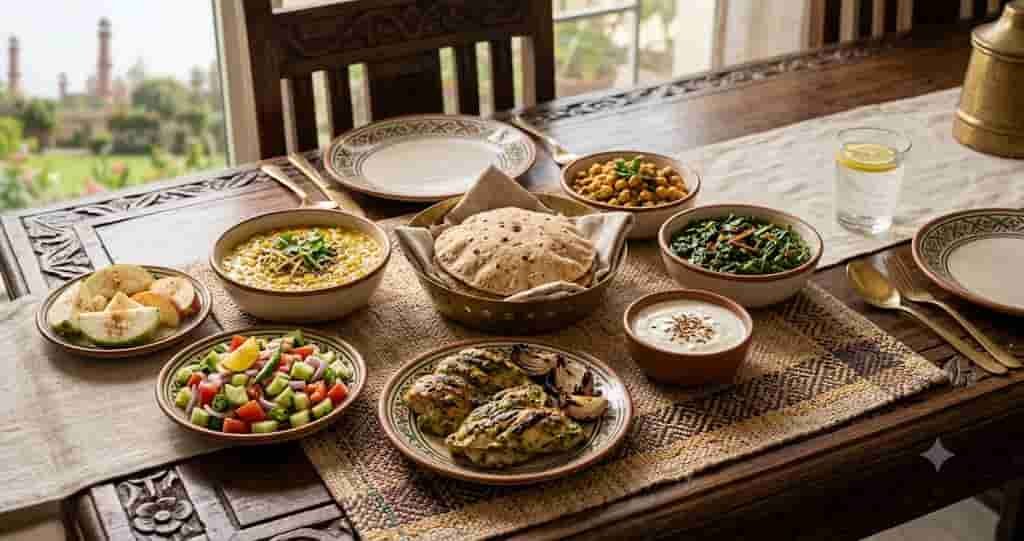
Living with diabetes does not mean giving up Pakistani food. Roti, daal, vegetables, yogurt, chicken, fish and even some rice can remain part of a balanced diet when portions and meal combinations are managed carefully.
A good diabetic diet plan focuses on controlling the amount and type of carbohydrates you eat while adding enough vegetables, protein, healthy fats and fiber. The goal is not starvation or removing every carbohydrate from your plate.
Instead, people with diabetes should build meals that support steadier blood sugar levels, healthy body weight and overall nutrition.
Pakistan faces a particularly serious diabetes burden. Changes in eating habits, reduced physical activity, excess body weight and other metabolic and lifestyle factors can all contribute to type 2 diabetes.
To understand the wider problem, read our detailed pillar guide: Why Diabetes Is Increasing in Pakistan: 10 Major Reasons.
What Is a Diabetic Diet?
There is no single special food that can control diabetes.
A diabetic diet simply means following an eating pattern that provides good nutrition while helping you manage blood glucose.
The American Diabetes Association recommends an individualized approach because nutritional needs can differ according to medications, health conditions, weight goals, culture and personal preferences.
This matters greatly in Pakistan because our everyday meals often look very different from Western meal plans.
Instead of forcing unfamiliar foods into your routine, you can improve the meals you already eat.
For example, a meal containing a controlled portion of roti, daal, vegetables, salad and plain yogurt can be much more practical for a Pakistani household than an expensive imported diet.
Diet becomes especially important once blood sugar problems appear, but recognizing the problem comes first. Our guide to the early signs of diabetes explains common warning symptoms and when testing may be appropriate.
The Diabetes Plate Method
One of the easiest ways to plan a meal is to think about your plate in three sections.
Fill about half your plate with non-starchy vegetables.
Use approximately one-quarter for protein and the remaining quarter for carbohydrate foods.
This approach can make portion control much easier without requiring you to calculate every calorie at every meal.
For a Pakistani meal, that could mean half a plate of salad and cooked vegetables, one-quarter chicken or fish, and one-quarter roti or another carbohydrate source.
Water or another unsweetened drink can accompany the meal.
However, individual carbohydrate needs vary. People using insulin or certain glucose-lowering medicines may require more specific meal planning with their healthcare team.
Best Foods for Diabetes in Pakistan
Fortunately, many ordinary Pakistani foods can fit into a diabetes-friendly diet.
You do not necessarily need expensive imported cereals, protein bars or foods marketed specifically for diabetes.
The key is choosing nutritious foods and controlling portions.
1. Non-Starchy Vegetables
Vegetables should form a major part of a diabetic diet plan.
Useful options include:
- Spinach
- Cauliflower
- Cabbage
- Cucumber
- Tomatoes
- Capsicum
- Brinjal
- Okra
- Bottle gourd
- Bitter gourd
- Turnip
- Radish
- Green beans
- Lettuce
Vegetables provide fiber, vitamins and minerals while many non-starchy varieties contain relatively little carbohydrate.
Try to include vegetables at lunch and dinner instead of making roti or rice the largest part of the meal.
2. Daal and Other Pulses
Daal is already part of millions of Pakistani households, and that can work in your favor.
Lentils, chickpeas and beans provide plant protein, fiber and carbohydrates.
Good options include masoor daal, moong daal, chana daal, chickpeas and beans.
However, daal still contains carbohydrates, so portions matter.
Avoid turning an otherwise healthy daal meal into a high-calorie meal by adding large quantities of oil, ghee or fried toppings.
3. Chicken, Fish and Other Protein Sources
Protein can help make meals more satisfying.
Fish, skinless chicken and eggs can provide useful protein options.
Cooking method matters as much as the food itself.
Grilled, baked, steamed or lightly cooked foods are generally better everyday choices than deep-fried chicken, fried fish and heavily oily curries.
Plant proteins such as lentils and beans can also contribute significantly.
4. Whole Grains and Higher-Fiber Carbohydrates
People with diabetes do not automatically need to stop eating carbohydrates.
Instead, carbohydrate quality and quantity deserve attention.
Whole and minimally processed grains generally provide more fiber than highly refined alternatives.
For roti, whole-wheat atta can be a practical everyday option.
However, switching to whole wheat does not mean you can eat unlimited rotis.
Portion size still matters because whole-wheat roti contains carbohydrates and can affect blood glucose.
Roti or Rice: Which Is Better for Diabetes?
This is one of the most common questions in Pakistani households.
Neither roti nor rice needs to be universally banned.
The amount you eat, the type you choose and what accompanies it can influence the overall meal.
A large serving of white rice can provide a substantial carbohydrate load. Similarly, eating several large rotis at one meal can also contribute significant carbohydrates.
Therefore, portion control matters more than simply declaring one food completely safe and the other completely harmful.
Choose a modest portion and combine it with vegetables, protein and other fiber-rich foods.
Some people may notice different blood glucose responses to rice and roti. Checking glucose as advised by your healthcare professional can help you understand your individual response.
Which Atta Is Best for Diabetes?
Whole-wheat atta is a simple and widely available choice.
Some people also use multigrain flour containing ingredients such as barley, chickpea flour or other grains.
However, the word “multigrain” does not automatically make a product suitable for unlimited consumption.
Check the ingredients and nutrition information when buying packaged flour.
More importantly, control the size and number of rotis you eat.
A smaller whole-wheat roti accompanied by vegetables and protein will usually create a more balanced meal than several large rotis eaten with an oily curry.
Can People With Diabetes Eat Rice?
Yes, rice can fit into some diabetes meal plans.
The problem often comes from portion size.
A large plate of biryani or pulao can contain far more carbohydrates and calories than a controlled serving of rice.
When eating rice, keep the portion modest and combine it with vegetables and a protein source.
Avoid adding sugary drinks to the meal because this increases the carbohydrate load further.
Best Breakfast for Diabetes in Pakistan
Pakistani breakfast can become very carbohydrate-heavy.
Paratha, sweet tea, white bread, biscuits and sugary spreads can quickly turn breakfast into a high-calorie meal.
Instead, consider combinations such as:
Option 1: Egg + small whole-wheat roti + vegetables + unsweetened tea
Option 2: Vegetable omelette + plain yogurt
Option 3: Oats prepared without added sugar + nuts in an appropriate portion
Option 4: Chana in a controlled portion + salad + small whole-wheat roti
Option 5: Boiled egg + whole-grain bread + cucumber and tomato
Avoid automatically adding sugar to tea.
If you drink several cups of sweet tea every day, the added sugar can accumulate surprisingly quickly.
Fruits for People With Diabetes
Having diabetes does not mean eliminating all fruit.
Whole fruit provides vitamins, minerals and fiber.
Examples that can fit into an individualized diet include apples, oranges, guava, pears, peaches and berries when available.
Other fruits can also fit depending on portion size and individual needs.
The important distinction is between whole fruit and fruit juice.
Juice removes much of the structure and makes it easy to consume the carbohydrate from several pieces of fruit very quickly.
Therefore, whole fruit is generally a better choice than juice.
Portion size still matters.
Can People With Diabetes Eat Mangoes?
Mangoes are particularly important in Pakistan because many people assume diabetes means they can never eat them again.
Mango contains natural sugars and carbohydrates, so portion size needs attention.
Some people may be able to include a small amount within their overall carbohydrate plan.
However, eating several mangoes or drinking large glasses of mango shake can deliver a substantial amount of carbohydrate.
People with poorly controlled glucose or specific medical instructions should follow the advice of their doctor or dietitian.
What About Bananas?
Bananas also contain carbohydrates.
They are not automatically forbidden, but size and portion matter.
A smaller portion may fit into an individual’s meal plan more easily than a very large banana combined with other carbohydrate-heavy foods.
Again, individual blood glucose responses can differ.
Is Milk Good for Diabetes?
Milk contains lactose, which is a naturally occurring sugar.
Therefore, milk still contributes carbohydrates.
Unsweetened milk can fit into many balanced diets, but quantity matters.
Avoid turning milk into a sugary drink by adding large amounts of sugar, syrups or sweetened powders.
Is Yogurt Good for Diabetes?
Plain, unsweetened yogurt can be a useful food.
It provides protein and other nutrients and works naturally with Pakistani meals.
However, flavored and sweetened yogurts can contain considerable added sugar.
Read the label instead of assuming every yogurt product is equally suitable.
Foods to Avoid or Limit With Diabetes
Managing diabetes does not require labeling every food as “good” or “bad.”
However, some foods should be limited because they can add large amounts of refined carbohydrates, sugar, saturated fat or calories.
Common examples include:
- Sugary soft drinks
- Sweetened juices
- Mithai
- Cakes
- Pastries
- Sweet biscuits
- Halwa
- Large portions of desserts
- Sugary cereals
- Sweetened tea and coffee
- Deep-fried snacks
- Highly processed foods
Occasional consumption and everyday consumption are very different.
A food eaten rarely in a controlled portion does not have the same impact on your overall dietary pattern as something consumed several times every day.
Sugary Drinks: One of the First Things to Cut Back
Drinks deserve special attention because sugar can enter the diet without making you feel particularly full.
Regular soft drinks, packaged sweet beverages, energy drinks and heavily sweetened tea can add significant amounts of sugar.
Choose water as your main drink.
Unsweetened tea or coffee may also fit, depending on your individual health needs.
Changing beverages can be one of the simplest improvements in a diabetic diet plan.
Pakistani Snacks for Diabetes
Snacking can become problematic when every tea break includes biscuits, rusks, samosas or sweets.
Better options can include a controlled portion of nuts, plain yogurt, vegetables or an appropriate portion of whole fruit.
Roasted chickpeas can also be considered, but portions still matter.
Remember that “healthy” does not mean calorie-free.
Nuts, for example, provide valuable nutrients but also contain substantial calories.
A Simple 7-Day Pakistani Diabetic Diet Plan
This sample plan provides ideas rather than a medical prescription. Individual requirements can differ substantially according to age, body size, activity, medications, kidney function, pregnancy and other medical factors.
Day 1
Breakfast: Vegetable omelette, small whole-wheat roti and unsweetened tea
Lunch: Moong daal, mixed salad, cooked vegetables and small whole-wheat roti
Snack: Small portion of whole fruit
Dinner: Grilled chicken, vegetables and plain yogurt
Day 2
Breakfast: Unsweetened oats with a small portion of nuts
Lunch: Chicken curry prepared with limited oil, salad and controlled portion of roti
Snack: Plain yogurt
Dinner: Mixed vegetable curry with daal and salad
Day 3
Breakfast: Boiled egg, whole-grain toast, cucumber and tomato
Lunch: Chana, salad and small whole-wheat roti
Snack: Small apple or guava
Dinner: Grilled fish with vegetables and a controlled portion of carbohydrate
Day 4
Breakfast: Vegetable omelette and plain yogurt
Lunch: Masoor daal, cooked vegetables, salad and small roti
Snack: Controlled portion of nuts
Dinner: Chicken tikka prepared without excessive oil, salad and vegetables
Day 5
Breakfast: Egg with whole-wheat roti and unsweetened tea
Lunch: Mixed vegetables, plain yogurt and daal
Snack: Appropriate portion of whole fruit
Dinner: Fish curry prepared with limited oil, salad and small roti
Day 6
Breakfast: Oats without added sugar with a modest portion of nuts
Lunch: Chicken and vegetable curry with salad and controlled portion of roti
Snack: Plain yogurt or vegetables
Dinner: Daal with mixed vegetables and salad
Day 7
Breakfast: Chana in a controlled portion with salad
Lunch: Grilled chicken, vegetables and a small serving of brown or other rice appropriate to your meal plan
Snack: Whole fruit in an appropriate portion
Dinner: Vegetable soup with protein such as chicken or lentils, plus salad if desired
Portion Control Matters
Even nutritious foods can create problems when portions become excessive.
A common Pakistani meal can contain several rotis, a large plate of rice, potatoes and a sweet drink at the same sitting.
Instead, distribute food more thoughtfully.
Use vegetables to increase meal volume while controlling large portions of carbohydrate-rich foods.
Protein can also help make the meal more satisfying.
Do You Need Special “Diabetic” Foods?
Usually, ordinary nutritious foods can form the foundation of a diabetes-friendly diet.
Products marketed as “diabetic,” “sugar-free” or “healthy” can still contain carbohydrates, calories or ingredients that require attention.
Read nutrition labels.
Do not assume a food becomes unlimited simply because the packaging says “sugar-free.”
Can You Eat Sweets With Diabetes?
Ideally, foods high in added sugar should not become a regular part of your diet.
However, diabetes management focuses on the overall eating pattern rather than creating unnecessary fear around a single food.
If you occasionally eat dessert, portion size matters.
It should also fit within your overall meal plan and any medical advice you have received.
People with poorly controlled diabetes may need more specific restrictions from their healthcare team.
Why Weight Management Matters
For people with type 2 diabetes who have overweight or obesity, losing some excess weight can improve metabolic health and blood glucose management.
However, crash diets are not the answer.
A sustainable eating pattern combined with appropriate physical activity generally makes more sense than extreme short-term restrictions.
Your weight goal should also account for your individual medical circumstances.
Do Not Skip Meals Without Medical Advice
Some people try to control glucose by simply stopping meals.
This approach can create problems, particularly for people taking insulin or medicines that can cause hypoglycemia.
Meal timing should match your treatment plan.
If you want to try fasting or substantially change your eating schedule, discuss it with your healthcare professional first.
This becomes particularly important during Ramadan.
Check Your Blood Sugar Response
Two people can eat the same food and experience different glucose responses.
Your medication, portion size, physical activity, metabolism and meal composition can all influence what happens after eating.
Therefore, glucose monitoring can provide valuable information when performed according to your healthcare plan.
If your readings remain consistently above or below your target range, contact your healthcare professional rather than trying to correct the problem through extreme dietary changes.
A Pakistani Diabetic Diet Does Not Need to Be Expensive
One of the biggest misconceptions around healthy eating is that it requires imported foods.
It does not.
Daal, seasonal vegetables, chickpeas, eggs, whole-wheat roti, plain yogurt and locally available fruits can provide the foundation for many nutritious meals.
The bigger challenge is often preparation.
Excessive oil, ghee, sugar and oversized portions can turn otherwise nutritious foods into meals that make blood glucose and weight management harder.
Build a Diet You Can Actually Follow
The best diabetic diet plan is not the strictest one.
It is the one you can maintain.
If a diet removes every food you enjoy, requires expensive imported ingredients and leaves you constantly hungry, you are unlikely to follow it for long.
Instead, improve familiar Pakistani meals.
Reduce unnecessary sugar, control portions, increase vegetables, choose appropriate protein sources and make higher-fiber carbohydrate choices when possible.
Small improvements repeated every day can become far more meaningful than a perfect diet followed for only one week.
Frequently Asked Questions
What is the best Pakistani diet for diabetes?
There is no single best diet for everyone. A balanced Pakistani meal can include non-starchy vegetables, an appropriate protein source, controlled portions of whole grains or other carbohydrates and unsweetened drinks.
Can diabetics eat roti every day?
Roti can fit into many diabetes meal plans. Whole-wheat roti can provide more fiber than refined alternatives, but portion size remains important.
Can diabetics eat rice?
Rice does not necessarily need to be completely eliminated. Portion size, rice type and the rest of the meal all matter.
Which fruit is best for diabetes?
Whole fruits such as apples, oranges, guava and pears can fit into many diabetes diets. There is no universally “best” fruit, and portions should match individual carbohydrate needs.
Can diabetics eat mangoes?
Mango contains carbohydrates and natural sugars. Some people may include a controlled portion in their meal plan, while others may require tighter restrictions depending on their glucose control and medical advice.
Is brown bread good for diabetes?
Do not judge bread by color alone. Check whether whole grain is actually a major ingredient and review the nutrition label. Portion size still matters.
Is honey better than sugar for diabetes?
Honey still contains sugars and can raise blood glucose. It should not be treated as a free or unlimited substitute for table sugar.
Is brown sugar safe for diabetes?
Brown sugar is still sugar. Switching from white sugar to brown sugar does not remove the need to control added sugar intake.
What should diabetics eat for breakfast in Pakistan?
Eggs, vegetables, plain yogurt, unsweetened oats, controlled portions of whole grains and other balanced combinations can work well depending on individual needs.
What foods should diabetics avoid?
Sugary drinks, frequent sweets, heavily refined foods and excessive portions of carbohydrate-rich foods should generally be limited. Individual restrictions depend on your treatment plan and overall health.
A diabetic diet plan in Pakistan does not require abandoning desi food.
Instead, it requires smarter choices.
Build meals around vegetables, appropriate protein sources, higher-fiber foods and controlled carbohydrate portions. Reduce sugary drinks, sweets, heavily processed foods and unnecessary added fats.
Most importantly, remember that diabetes nutrition is individual.
People taking insulin, pregnant women, older adults and those with kidney, heart or other medical conditions may need specialized dietary advice.
Use this guide as a starting point for healthier Pakistani meals, and work with your doctor or registered dietitian to create a plan that matches your blood glucose targets, medications and nutritional needs.
This article provides general educational information and does not replace individualized medical advice, diagnosis or treatment.