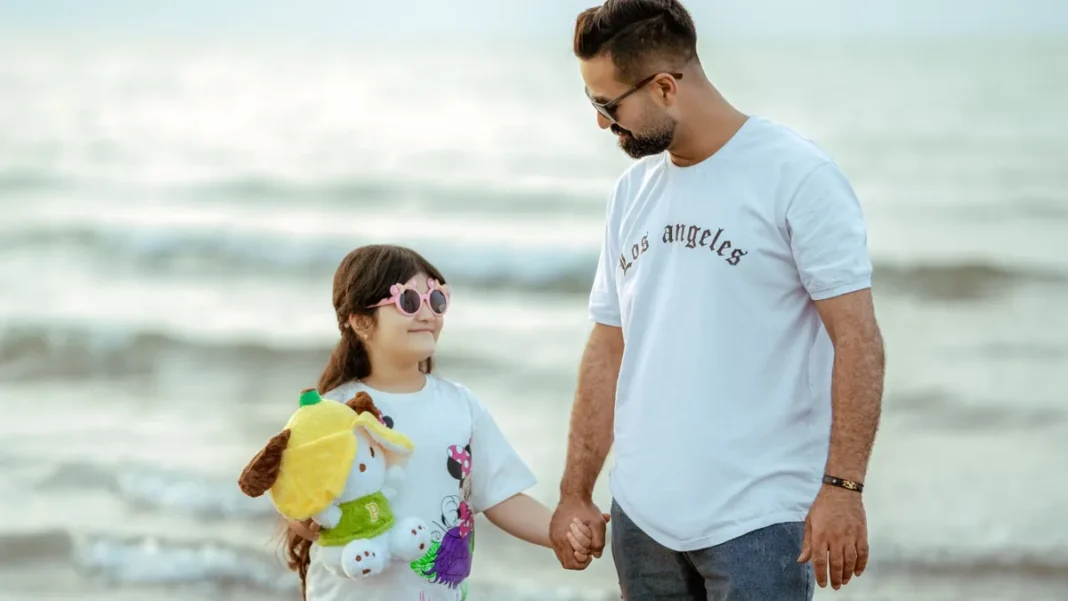
A single father walking into a physiotherapy department with his daughter may look like an ordinary hospital moment. However, behind those repeated visits can exist an extraordinary story of patience, sacrifice and love.
As a healthcare student, I have witnessed many moments inside hospital corridors that stay in the heart. Some involve pain, some bring hope, and others quietly reveal the strength people carry for those they love.
I have seen families celebrate the smallest signs of progress. I have watched loved ones stay beside patients during difficult days and continue offering support even when recovery feels slow.
Among all those experiences, one single father left a lasting impression on me.
He did not do anything dramatic.
He simply kept showing up for his daughter.
When Therapy Becomes More Than Treatment
Rehabilitation can test both the patient and the family.
Therapy sessions require patience, consistency and repeated effort. Progress may come slowly, and sometimes the smallest movement can mean far more to a family than an outsider might understand.
Parents often sit through long sessions while therapists guide their children through exercises and movements.
They listen carefully.
They learn what they can do at home.
They encourage their children when frustration begins to replace motivation.
During my time around physiotherapy, I often noticed parents who continued attending sessions despite work, household responsibilities and emotional exhaustion.
Many mothers showed remarkable dedication. They came on time, paid attention to instructions and continued supporting their children outside the therapy room.
Their commitment always deserved recognition.
Yet among those familiar faces, one father stood out.
The Single Father Who Never Missed a Therapy Session
Every day, this single father came to the physiotherapy department holding his daughter’s hand.
His presence became so familiar that the staff began recognizing him.
Some days, he looked tired.
On other days, it seemed that he had come directly from work.
Still, he continued arriving for his daughter’s therapy sessions.
There was no second parent beside him to share the routine.
There was no partner to take over when life became difficult.
He carried the responsibility himself, but he did not allow that responsibility to become a reason to give up on his daughter’s care.
Inside the therapy room, he remained completely attentive.
He noticed every movement.
He watched every difficult stretch.
He understood when his daughter felt uncomfortable or tired.
Most importantly, he celebrated the small improvements that another person might easily overlook.
A tiny achievement can look insignificant to someone watching from outside.
For a parent who has witnessed the entire struggle behind that achievement, however, it can mean everything.
How a Single Father Became Part of His Daughter’s Recovery
In rehabilitation, healthcare professionals naturally focus on treatment plans, movement, muscle strength, functional goals and progress.
But the emotional strength surrounding a patient also matters.
In this case, that strength came from her father.
The single father did not simply sit in the room and watch.
He carefully observed the exercises so he could help his daughter continue them at home.
He asked questions because he wanted to understand her needs.
He encouraged her when she became tired.
He stayed beside her when progress felt slow.
There were moments when his daughter did not want to continue.
She experienced frustration and emotional fatigue, as patients sometimes do during demanding therapy sessions.
Her father did not respond with anger.
He remained calm.
He stayed patient.
He encouraged her to continue without making her feel that she had failed.
His steady presence became a source of comfort.
Sometimes, a person does not need a long speech.
Sometimes, knowing that someone refuses to leave your side can make a difficult moment easier to face.
The Quiet Responsibilities of a Single Father
Behind his calm appearance, I often wondered about the responsibilities he carried outside the therapy department.
A single father may have to perform several roles at the same time.
He may need to provide financially, manage appointments, take care of his child, handle household responsibilities and offer emotional support.
When a child needs regular therapy, those responsibilities can become even more demanding.
Yet many people never see that part of the story.
Society often notices the final result.
We celebrate recovery.
We congratulate families when a child achieves an important milestone.
We admire success.
However, we may never see the countless appointments, exhausting evenings, difficult mornings and quiet sacrifices that came before that success.
This father did not enter the hospital asking for appreciation.
He came because his daughter needed him.
Then he returned the next day.
And the day after that.
That consistency made his story memorable.
Why Emotional Support Matters During Rehabilitation
Hospitals and rehabilitation departments teach healthcare students many clinical lessons.
We learn to observe treatment.
We learn about movement, exercises and recovery goals.
But patients and their families teach us something equally important about the human side of healthcare.
A patient does not walk into a therapy room without emotions.
Fear comes with them.
Frustration comes with them.
Hope comes with them.
Their relationships and support systems come with them too.
In this story, the father did not replace professional treatment.
He became a supportive part of his daughter’s journey.
His encouragement helped her face difficult sessions.
His patience helped her through moments of frustration.
His consistency reminded her that she did not have to go through the process alone.
That distinction matters.
Professional therapy remains essential, while family support can make the experience emotionally easier for the person receiving care.
For this daughter, her father became a steady source of that support.
Fathers Can Be Caregivers Too
People often have fixed ideas about caregiving.
When we imagine a parent sitting beside a child during treatment, many people immediately picture a mother.
Mothers certainly carry enormous responsibilities, and their sacrifices deserve recognition.
However, fathers also have stories that deserve attention.
Some fathers manage medical appointments.
Some learn therapy exercises.
Some change work routines to stay available for their children.
Some quietly become both provider and primary caregiver.
This single father was one of them.
He did not need public recognition to continue caring for his daughter.
His actions spoke for him.
His story reminded me that caregiving does not belong to one gender.
Caregiving belongs to people who choose patience, responsibility and love every day.
What This Father Taught Me
As a healthcare student, I expected hospitals to teach me about illness, treatment and recovery.
Instead, they have also taught me about people.
They have shown me how much courage can exist in ordinary lives.
The father I observed may never know that his dedication left an impression on someone else in the physiotherapy department.
Perhaps he believed he was simply doing what every father should do.
But from the outside, his consistency told a much larger story.
He showed me that parenting can mean continuing even when you feel exhausted.
It can mean learning something unfamiliar because your child needs you to learn it.
It can mean celebrating progress that others consider too small to notice.
It can mean remaining patient when frustration takes over.
Most of all, it can mean simply being there.
A Single Father Who Refused to Give Up
Today, I want to recognize every single father who carries responsibilities that people rarely see.
The fathers who work and still make time for their children.
The fathers who manage appointments and therapy sessions.
The fathers who become caregivers as well as providers.
The fathers who remain calm when their children feel afraid.
The fathers who learn exercises because their children need support at home.
And the fathers who continue showing up even when their own lives feel difficult.
The father I witnessed during those physiotherapy sessions taught me that love does not always appear through grand gestures.
Sometimes, love looks ordinary.
It looks like sitting through another therapy session.
It looks like learning an exercise carefully.
It looks like celebrating one small improvement.
It looks like a tired father holding his daughter’s hand and walking into the physiotherapy department once again.
His story reminded me that some of the strongest people never describe themselves as strong.
They simply refuse to give up.