Trump Says China and Russia Are Not Helping Iran ‘At All’
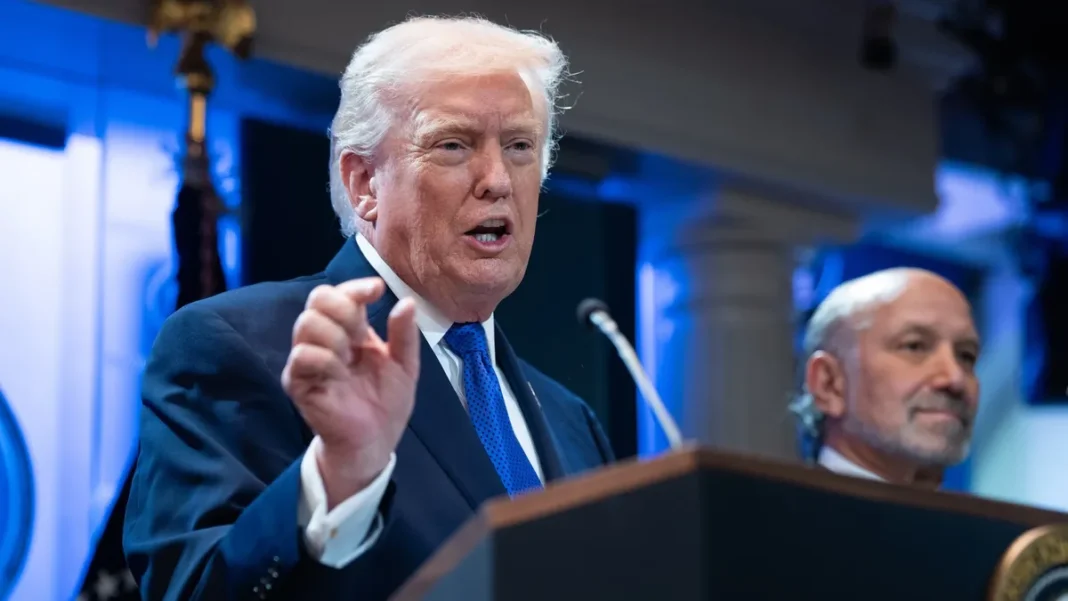
US President Donald Trump said late on Monday that he does not believe China and Russia are helping Iran “at all” in the continuing US-Iran war, pushing back against claims from his critics that both powers are quietly backing Tehran.
Trump wrote on Truth Social that he had seen comments from critics and opponents suggesting Beijing and Moscow were assisting Iran. “If they are, it’s at a very low level, but I don’t believe they are at all. They have too much to lose, and we would know about it, and know about it very fast,” he wrote.
Trump on Iran: what the Truth Social post said
The post is the latest in a series of public statements in which Trump has tried to keep China and Russia on the sidelines of the conflict. In July, he said he trusted Beijing and Moscow not to help Tehran, but warned that it would be “very bad for them” if they did.
Trump has previously described Chinese President Xi Jinping and Russian President Vladimir Putin as “neutral” during the Iran war. The new remarks go a step further, dismissing the idea that either country is providing material support to Tehran.
Both countries maintain close ties with Iran. Russia has warned that the war could trigger a nuclear arms race in the Middle East, while Beijing has condemned Washington’s attacks on Tehran as a brazen violation of Iran’s sovereignty.
Iran war: Trump’s warnings to Beijing and Moscow
The White House has been pressing China in particular over its links with Tehran. Last month, Trump warned Xi against providing support to Iran when the Chinese leader visited Washington, and received assurances that China would not do so, the US ambassador to China said at the time.
That warning came amid reports that China had supplied Iran with shoulder-fired air-defence missile launchers, and that Tehran had found ways to evade sanctions on its oil sales with Chinese help.
In September, he brushed aside a report that Iran had obtained satellite images of a US base in Jordan from Chinese entities before a July attack that killed three American troops.
The United States and Iran have been at war since February 28, when the US and Israel attacked Iran and Tehran responded with strikes on Israel and Gulf states hosting American bases. The fighting has since killed thousands of people and displaced millions, according to wire reporting.
Why it matters for Pakistan
For Pakistan, the question of who backs whom in the Iran war is not academic. Pakistan sources roughly 90 per cent of its energy imports from the Middle East, so any widening of the conflict feeds directly into fuel prices and the cost of living at home. The government has already been passing higher fuel costs on to consumers, and the IMF now expects Pakistan’s inflation to reach 9.9 per cent this fiscal year, a forecast shaped in part by the war’s disruption of energy markets, as our companion report explains.
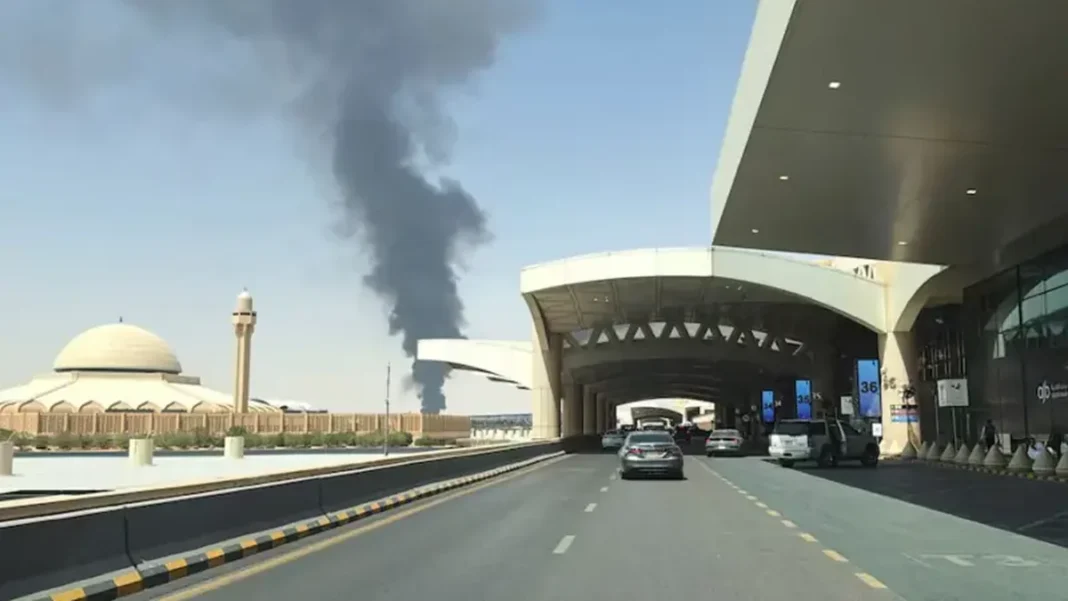
The war has also moved currency markets: the rupee has gained about Rs2 since the US-Iran war began, as traders reassess regional risk. And the conflict’s Gulf dimension hit close to home last month, when a Houthi strike on Riyadh airport killed 12 people, including a Pakistani national.
If Washington is right that Beijing and Moscow are staying out, the war remains contained between its current parties. If the critics Trump was answering are right, the conflict, and its economic fallout for countries like Pakistan, could widen.
Frequently Asked Questions
What did Trump say about China and Russia helping Iran?
In a Truth Social post late on Monday, October 12, Trump said he does not believe China and Russia are helping Iran “at all,” adding that both countries have “too much to lose” and that Washington would detect any assistance quickly.
Has Trump warned China and Russia before?
Yes. In July he said he trusted them not to help Tehran but warned it would be “very bad for them” if they did. Last month he personally warned Xi Jinping during the Chinese leader’s Washington visit and received assurances of non-support.
How does the Iran war affect Pakistan?
Pakistan imports about 90 per cent of its energy from the Middle East, so the war pressures fuel prices and inflation. The IMF’s latest outlook, released October 13, raised Pakistan’s inflation forecast to 9.9 per cent, citing the conflict’s disruption of energy supplies.
When did the US-Iran war start?
The war began on February 28, 2026, when the United States and Israel attacked Iran. Tehran responded with strikes on Israel and on Gulf states hosting US bases. Thousands have been killed and millions displaced since.