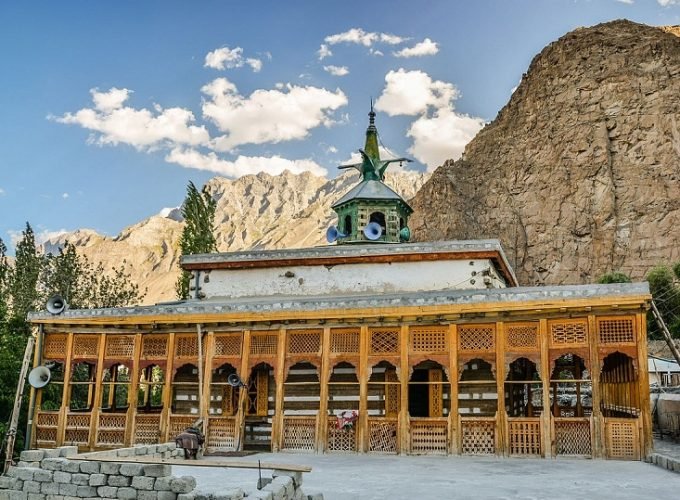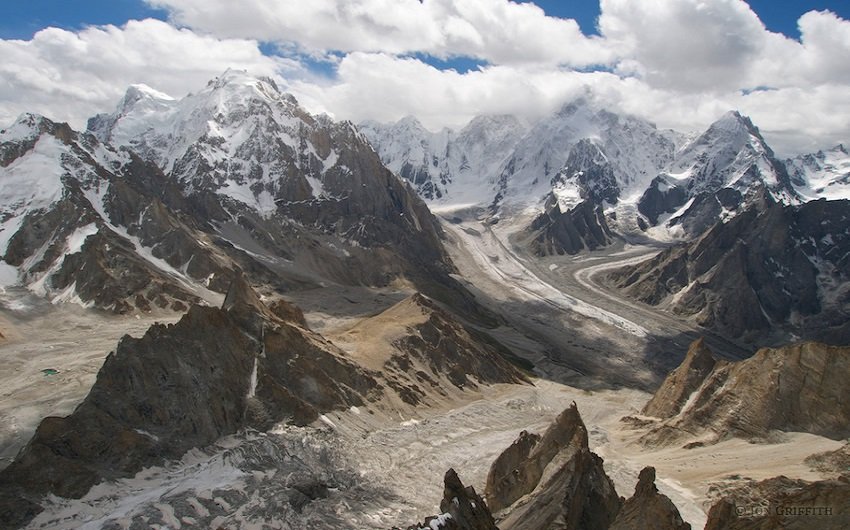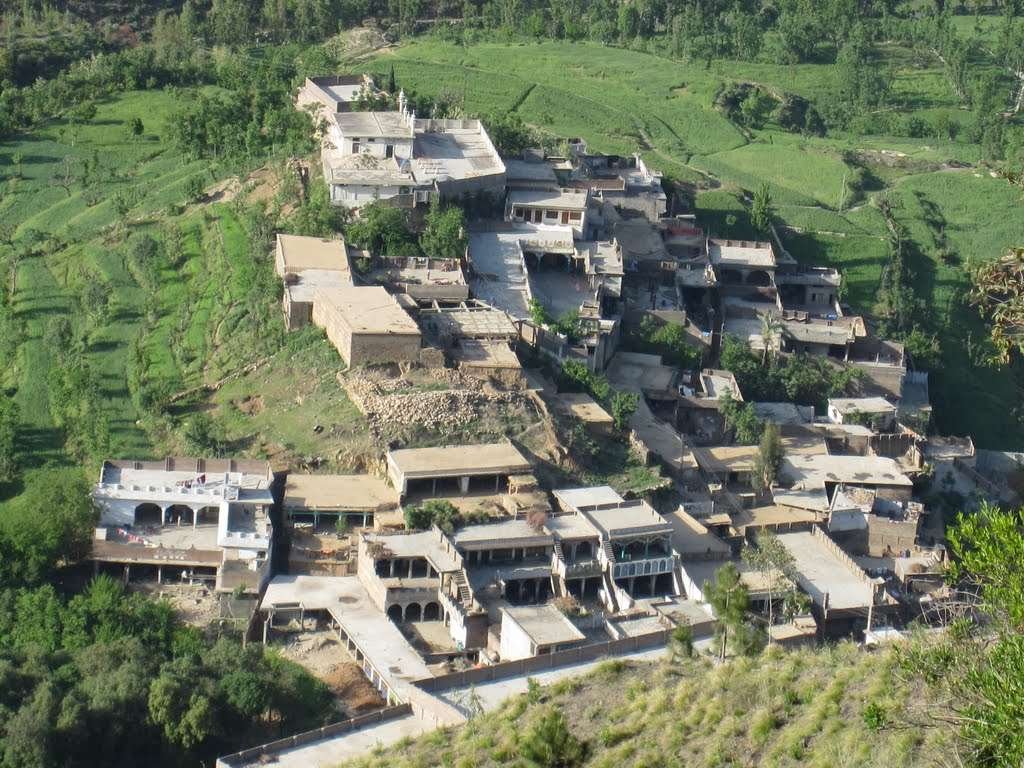
Some places you visit for postcard views. Others you visit because they put you face to face with history — quiet, unpolished history that never made it into glossy brochures. Char Sar, Buner belongs to the second kind. It is a Kushan-period Buddhist archaeological site on the old Bhai Kaly route in Buner district, Khyber Pakhtunkhwa, sitting inside one of the most overlooked green valleys of Pakistan’s north. This Char Sar, Buner travel guide will help you decide whether the journey is for you, and how to plan it.
Let’s be honest from the start: Char Sar is not a manicured tourist attraction. Roads and modern building have disturbed much of the site, and there is no ticket counter, no signboards, and no gift shop. What it offers instead is the raw thrill of standing where Buddhist monks and pilgrims walked nearly two thousand years ago — and the chance to see it alongside Buner valley’s shrines, mountains, waterfalls, and villages, all within a few hours’ drive of Islamabad. If you are a heritage lover, a history buff, or a traveler who prefers real places over polished ones, Char Sar deserves a day of your time.
Quick Facts
- Location: Near Bhai Kaly on the old Char Sar route, Buner district, Malakand Division, Khyber Pakhtunkhwa, Pakistan
- Altitude: Around 1,000 metres in the Buner valley floor area (valley towns sit roughly between 900 and 1,200 metres)
- Famous For: Kushan-era Buddhist archaeological remains (probable stupa/monastery), part of the Gandhara heritage zone
- Nearest City: Daggar, the district headquarters of Buner; Mardan and Swabi are the nearest large cities
- Accessibility: Road only. About 100 km from Islamabad, reached via the M-1 and the Swabi–Buner road through the Ambela or Karakar passes
- Known Landmarks: Pir Baba shrine (Pacha Kalay), Elum Ghar (Mount Elum, 2,800 m), Char Abshar waterfall near Bar Kalay, Ambela Pass
- Best For: Heritage explorers, history buffs, off-the-beaten-path travelers, photographers, and anyone combining a Buddhist-heritage circuit of Buner with a peaceful valley trip
Why Visit Char Sar, Buner
There are hundreds of Buddhist sites scattered across the old Gandhara region — Taxila, Takht-i-Bahi, Swat, Dir — and almost every guide will send you to the famous ones first. Char Sar is for the traveler who has seen the famous ones, or who simply wants to see what a Gandharan site looks like before the archaeologists, fences, and museums get there. It is archaeology in its wild state: pottery fragments in the soil, mound shapes that hint at a stupa or monastery, and a landscape that has barely changed since Kushan times.
The deeper reason to visit is the route itself. Char Sar sits on an old route near Bhai Kaly, which means the people who built this site chose a spot travelers actually passed through. Standing there, you are standing on a thread of the ancient road network that connected the Buddhist religious centres of Gandhara — the same valleys where monks, merchants, and pilgrims moved between Swat, Buner, and the Peshawar plains. Few travel experiences in Pakistan give you that feeling of walking an old road of faith as directly as this one.
Then there is Buner itself. This is one of Pakistan’s most underrated valleys: a green bowl of wheat fields, tobacco farms, and orchards ringed by pine-covered hills, with Elum Ghar — the 2,800-metre mountain that dominates the skyline — keeping watch over it all. Buner is home to the shrine of Pir Baba, one of the most revered saints of the region; to the Ambela Pass, where history was written in the 19th century; and to waterfalls and lakes that locals know well and tourists have barely heard of. Char Sar gives you the reason to come; Buner gives you the reason to stay.
Finally, there is the simple matter of access. This is a heritage trip you can do in a day or a weekend from Islamabad or Peshawar. You do not need a jeep expedition or a week of leave. You need a car, a dry day in spring or autumn, a local guide who knows the Bhai Kaly route, and a little curiosity. That combination — deep history, easy access, and a valley almost nobody is writing about — is exactly what makes Char Sar, Buner worth your visit.
History of Char Sar, Buner
The documented record for Char Sar itself is thin, which is part of its story. What is known comes from archaeological surveys of Buner: the site at Char Sar, near Bhai Kaly along the old Char Sar route, is a Kushan-period Buddhist location, most likely a stupa or monastery that served monks and local followers of Buddhism as a spiritual centre. Its position along a route suggests it was deliberately accessible — a waystation of faith for travelers and pilgrims moving between the larger religious centres of the Gandhara region.
To understand Char Sar, you have to understand Buner. This valley was part of the ancient Gandhara cultural zone, the cradle of Greco-Buddhist art and one of the great Buddhist heartlands of the ancient world. When the Kushan Empire — the great Central Asian power that ruled this region in the early centuries CE — patronised Buddhism, valleys like Buner filled with stupas and monasteries. The famous Kanishka-era stupas near Peshawar belong to the same world as Char Sar; the difference is only that Char Sar was a small, local centre rather than an imperial one.
Buner’s later history shaped what you see today. The valley was long ruled as part of the princely state of Swat under the Wali of Swat, and it was only after Swat’s merger with Pakistan in 1969 that Buner entered the modern administrative map, becoming a tehsil of Swat and then a full district in 1991. The people are overwhelmingly Yusufzai Pashtuns, and the valley has a layered spiritual history: Buddhist sites like Char Sar, the Hindu pilgrimage tradition of Elum Ghar (Mount Elum, where Hindus worshipped at the Ram Takht until 1947 and where legend holds a previous incarnation of the Buddha gave up his life), and the centuries-old Sufi tradition of Pir Baba’s shrine at Pacha Kalay.
The sad modern chapter is that Char Sar has been badly disturbed. Roads cut through parts of the site, and construction has broken up what remains — a story repeated at dozens of unprotected heritage sites across Khyber Pakhtunkhwa. That makes a visit feel less like touring a monument and more like witnessing a fragile piece of history that still needs attention. Go with a local guide, look closely at the ground, and leave everything — especially pottery fragments — exactly where you find it.
Top Things to Do in Char Sar, Buner
Walk the Char Sar archaeological site with a local guide
The main event. Reach the site near Bhai Kaly on the old Char Sar route with someone local who knows exactly where the mounds and surface remains are. Look for pottery sherds on the ground — the surveys note that surface pottery is one of the site’s signatures — and photograph, but never pocket, anything you find. A good guide can also point out the mound formations that suggest where the stupa or monastery once stood.
Combine Char Sar with Buner’s other Buddhist sites
Buner holds more Buddhist heritage than most travelers realise. The best-known is Ranigat, the large Buddhist complex in the Nogram area of Buner — stupas, monasteries, and city remains from the same Gandharan world as Char Sar. Pairing Char Sar with Ranigat turns a half-day stop into a proper Buddhist-heritage circuit of Buner, and the contrast between a disturbed local site and a larger complex is itself worth the trip.
Visit the shrine of Pir Baba at Pacha Kalay
One of Khyber Pakhtunkhwa’s most important Sufi shrines, the shrine of Syed Ali Tirmizi — Pir Baba — has drawn devotees for centuries and sits near the town of the same name in Buner. Even for a non-devotional visit, the shrine complex and its surroundings are a window into the valley’s spiritual life, and the drive there shows you Buner at its greenest.
Drive up toward Elum Ghar
At 2,800 metres, Mount Elum (Elum Ghar) is the highest peak in the area and snow-covered for much of the year. It was a major Hindu pilgrimage site until 1947, and Buddhist legend connects it to a previous incarnation of the Buddha. You do not need to summit to enjoy it — the views of the massif from the valley, and the drive up its lower slopes, are spectacular, especially in spring.
Chase the Char Abshar waterfall
Near Bar Kalay, in the Char area of Buner, a waterfall locals call Char Abshar has become known through travel videos as a peaceful, little-visited spot — the kind of place only nearby villagers knew about until recently. It is a simple, pretty waterfall in green surroundings, good for a picnic stop and photographs, and a reminder that Buner still hides surprises.
Cross the Ambela Pass
The historic Ambela Pass connects Buner with the plains toward Mardan and Swabi, and the drive over it is one of the classic Buner experiences — winding mountain road, panoramic valley views, and a pass with a genuine 19th-century history. It is also simply the most scenic way in or out of the district.
Famous Places In and Around Char Sar, Buner
- Ranigat (Nogram, Buner) — major Buddhist stupas and monastery complex, the headline heritage site of the district.
- Elum Ghar (2,800 m) — the district’s highest peak, former Hindu pilgrimage mountain with Buddhist legends.
- Pir Baba Shrine, Pacha Kalay — centuries-old Sufi shrine, Buner’s spiritual heart.
- Peryano Dand — a small natural lake on Elum Ghar, popular for swimming and diving after a substantial hike.
- Ambela Pass — historic mountain pass with sweeping views on the Buner–plains road.
- Kundal Dam — a calm reservoir spot in Buner for a quiet stop.
- Taghan Waterfall — another of Buner’s lesser-known waterfalls.
- Daggar — the district headquarters and main bazaar town.
How to Reach Char Sar, Buner
Buner sits just about 100 km from Islamabad, which makes it one of the most accessible valleys in the north — but the mountain passes mean you should budget more time than the distance suggests. From Islamabad the drive to Buner typically takes around three to four hours depending on the route and traffic. From Peshawar, travelers report roughly three and a half hours on the road. The nearest airport is Bacha Khan International Airport in Peshawar, about two to two and a half hours from Buner’s towns by road; Islamabad International is the more common gateway for visitors coming from Punjab.
Road conditions are generally good on the main approaches — the Swabi–Buner road and the passes are paved — but mountain roads demand care, especially after rain. In winter, higher routes can be affected by fog and cold; Char Sar itself, being a low valley-floor site, is reachable year-round, though spring and autumn are the pleasant seasons for walking around an open archaeological site. Public transport exists in the form of vans and coasters from Mardan, Swabi, and Peshawar to Daggar, but for Char Sar specifically you will want your own car or a hired vehicle plus a local guide, since the site is not signposted for tourists.
Route Details
- From Islamabad: Take the M-1 Motorway toward Peshawar and exit at Swabi. From Swabi, follow the Swabi–Buner road (via Topi/Rustam) climbing over the Ambela Pass into Buner valley, then continue to Daggar. Distance roughly 150–170 km depending on the exact exit and route; drive time about 3–4 hours.
- From Lahore: Take the M-2 to Islamabad, then follow the Islamabad route above. Total distance roughly 480–500 km; drive time about 7–8 hours. Best done as an overnight trip.
- From Karachi: Fly to Islamabad (about 2 hours) and continue by road as above, or take the long road journey north via the motorway network (1,400+ km, 18+ hours — realistically a flight plus road trip).
- From Daggar to Char Sar: From Daggar, head toward the Bhai Kaly area and ask locally for the old Char Sar route. The site is not marked on tourist maps, so a local guide is essential — arrange one through your hotel in Daggar or through contacts in nearby villages.
For more ideas on planning northern trips, browse our Explore Pakistan destination guides.
Where to Stay in Char Sar, Buner
Char Sar itself has no hotels — it is an open archaeological site in a rural area — so you will base yourself in Daggar or nearby towns. Daggar, the district headquarters, has the widest choice: expect simple, clean mid-range hotels and guesthouses aimed at business and family travelers, with private bathrooms, fans or air conditioning, and on-site restaurants serving Pakistani and local food. These are comfortable rather than luxurious, and perfectly fine for a night or two.
Along the main roads you will also find roadside guesthouses and rest houses at various price points. For a quieter stay, look for guesthouses in the smaller towns around the valley — the hospitality is famously warm, and staying outside Daggar puts you closer to the countryside. Camping is possible in the valley’s greener spots if you carry your own gear and get permission from local landowners, but it is not an established camping destination with facilities. Book ahead on weekends and public holidays, when domestic visitors from Mardan and Swabi fill the limited rooms.
Where to Eat: Local Foods of Buner
Buner eats like the Pashtun valley it is: hearty, meat-forward, and built around the tandoor and the karahi. In Daggar’s bazaar and roadside hotels you will find chapli kebab — the great Peshawari classic, minced meat pressed flat with tomatoes and spices and fried crisp — alongside seekh kebabs, chicken tikka, and mutton karahi. Qahwa (green tea) and doodh patti (milk tea) are the drinks of choice, served everywhere from highway dhabas to village hujras.
Simple rice and lentil dishes, fresh tandoori roti, and seasonal vegetables fill out the everyday menu, and in fruit season the valley’s orchards deliver fresh produce to the bazaars. A filling meal at a local hotel or dhaba is budget-friendly — expect a full dinner for one to cost only a few hundred rupees at a simple spot, more at a proper restaurant. For the Char Sar day trip itself, carry water and snacks: there are no food stalls at the archaeological site, so eat in Daggar or pack a picnic to enjoy near the Char Abshar area.
Weather in Char Sar, Buner
Buner valley has a moderate climate compared with the high north — warm summers, cool winters, and two genuinely lovely shoulder seasons. Char Sar sits on the valley floor, so expect valley weather rather than mountain extremes. Spring brings green fields and blossom; autumn brings harvest colours and clear skies. Both are ideal for walking an open site.
| Season | Temperature Range | Conditions |
|---|---|---|
| Winter (Dec–Feb) | 2°C to 15°C | Cool and dry; chilly mornings, fog possible in the valley; higher hills may see light snow. Site visits fine on sunny days. |
| Spring (Mar–May) | 12°C to 28°C | The best season — green fields, blossom, comfortable walking weather. Ideal for Char Sar. |
| Summer (Jun–Aug) | 22°C to 38°C | Hot in the valley floor; visit the site early morning or late afternoon. Monsoon showers possible. |
| Autumn (Sep–Nov) | 10°C to 28°C | Clear skies, harvest season, excellent light for photography. The second-best visiting window. |
Language and Culture of Char Sar, Buner
The language of Buner is Pashto, spoken in the Yusufzai dialect of the valley’s dominant tribe, with Urdu widely understood in towns and bazaars. English is limited outside hotels, so a few Pashto greetings — or better, a local guide — go a long way. The culture is classic Pashtunwali: hospitality is a point of honour, and a traveler who shows respect will be treated like an honoured guest.
A few norms matter. Dress modestly — for both men and women, covered shoulders and knees are the baseline, and women should carry a scarf. Always ask before photographing people, especially women. If you are invited for tea in a village near the site, accept: refusing hospitality can offend. At the archaeological site itself, the ethic is simple — look, photograph, and leave everything untouched. Removing pottery or stones from a heritage site is illegal and, more importantly, erases the very history you came to see.
Shopping in Char Sar, Buner
There is no souvenir market at Char Sar — shop in Daggar bazaar, the district’s main market. You will find everyday bazaar goods, Peshawari-style chapals (sandals), embroidered fabrics, and practical mountain-town supplies. The valley’s agricultural side shows up in the shops too: seasonal fresh fruit, and in the right season, dried fruit and nuts from local traders.
Buner is also known regionally for marble, and small marble craft items sometimes appear in local shops. Prices are local-market prices — bargain politely and you will do fine. Do not expect shopping malls; the nearest modern retail is in Mardan or Swabi on the way in.
Travel Tips for Char Sar, Buner
Packing Essentials
Sturdy walking shoes (the site is uneven ground), a hat and sunscreen, a water bottle, and snacks — there are no facilities at Char Sar. Carry a light jacket in spring and autumn, and warm layers in winter. A small daypack, a power bank, and a camera complete the kit. If visiting in summer, add extra water and plan the site walk for early morning.
Safety Tips
Buner is a settled, populated valley and normal tourist travel here is straightforward, but standard northern-Pakistan sense applies: travel in daylight, keep to known routes, and hire a local guide for the site itself. Check current conditions before you go, carry your CNIC, and share your plan with someone at your hotel. The archaeological site has uneven, unmaintained ground — watch your step.
Money & Connectivity
Carry cash. ATMs exist in Daggar and the larger towns, but you should not rely on finding one near the site, and small shops and guides deal in cash only. Mobile signals from the major networks (Jazz, Telenor, Zong, Ufone) generally work in the valley towns; coverage thins out in the hills. Download offline maps before leaving Daggar.
Best Time to Visit Char Sar, Buner
Spring (March to May) — the sweet spot
This is the season the Char Sar, Buner travel guide recommends first: mild temperatures, green fields, blossom on the fruit trees, and perfect conditions for walking an open archaeological site. Combine the site with Elum Ghar views and the Char Abshar waterfall at their prettiest.
Autumn (September to November) — the photographer’s season
Clear skies, harvest colours, and crisp air. The second-best window, with excellent light for photographing both the site and the valley.
Winter (December to February) — quiet and cool
Possible on sunny days — the valley floor rarely freezes hard — but mornings are cold and fog can slow the mountain roads. Fewer travelers, more solitude.
Summer (June to August) — hot but doable
The valley floor gets properly hot. Visit Char Sar early in the morning, then retreat to higher, cooler spots like the Elum Ghar foothills in the afternoon.
Final Thoughts
Char Sar, Buner will not hand you its history on a signboard. It asks something of you — a guide, a bumpy track, a willingness to look at mounds of earth and see a monastery. But that is precisely why it matters. In a country where the great Gandharan sites are increasingly fenced and ticketed, Char Sar is still wild: a place where you can stand on an old pilgrim route and feel, for a moment, the scale of the Buddhist world that once filled these valleys.
Come for the site, but give Buner the full day it deserves — the shrine at Pir Baba, the mass of Elum Ghar, a waterfall the guidebooks forgot, and tea in a bazaar that has fed travelers for centuries. If you want to understand where you have been, finish at the Malam Jabba side of the region or browse more northern valley guides — and then come back to Buner in spring, when the whole valley turns green and Char Sar is at its best.
FAQs
Where is Char Sar, Buner?
Char Sar is a Kushan-period Buddhist archaeological site near Bhai Kaly on the old Char Sar route in Buner district, Malakand Division, Khyber Pakhtunkhwa, Pakistan — about 100 km from Islamabad.
What is the best time to visit Char Sar, Buner?
Spring (March to May) and autumn (September to November). The weather is mild, the valley is at its prettiest, and walking the open site is comfortable.
How do I reach Char Sar, Buner?
Drive from Islamabad via the M-1 to Swabi, then over the Ambela Pass into Buner (3–4 hours). From Daggar, go with a local guide to the Bhai Kaly area — the site is not signposted.
Is Char Sar, Buner safe for tourists?
Buner is a settled valley with regular domestic tourism. Travel in daylight, hire a local guide for the site, and follow standard precautions for northern Pakistan.
Is Char Sar suitable for families?
The valley trip is family-friendly, but the archaeological site itself is uneven, unmaintained ground with no facilities — better for older children and adults. Families often enjoy the Pir Baba shrine, waterfalls, and bazaar stops more.
Where can I stay near Char Sar?
In Daggar, the district headquarters, which has mid-range hotels and guesthouses. There is no accommodation at the site itself.
What food is Buner known for?
Pashtun classics: chapli kebab, seekh kebabs, mutton karahi, fresh tandoori roti, and qahwa (green tea) — all available in Daggar’s bazaar and roadside hotels.
What else can I see near Char Sar?
Ranigat’s Buddhist complex, the Pir Baba shrine, Elum Ghar (2,800 m), Char Abshar waterfall, Peryano Dand lake, Kundal Dam, and the historic Ambela Pass.