Quick Facts
- Location: Shigar town, Shigar Valley, Gilgit-Baltistan
- Altitude: Around 2,300 m above sea level
- Famous For: A 400-year-old two-storey wooden mosque with Tibetan-style architecture; UNESCO Asia-Pacific Heritage Award of Merit 2012
- Nearest City: Skardu (around 30 km, under an hour’s drive)
- Accessibility: Easy — sealed road from Skardu; best combined with a Shigar Valley day trip
- Known Landmarks: Shigar Fort (Fong-Khar, now a Serena heritage hotel), Amburiq Mosque, Khanqah-e-Muallah, Katpana Cold Desert
- Best For: History and architecture lovers, photographers, culture travelers, and anyone exploring the Karakoram gateway towns
Why Visit Khilingrong Mosque
Some places you visit for scenery; others you visit for the feeling that centuries are leaning in close to whisper. The Khilingrong Mosque in Shigar is the second kind. More than four hundred years old, built of stone and intricately carved timber in a style that blends Islamic devotion with the region’s older Buddhist and Tibetan traditions, it is one of the oldest and most beautiful mosques in Gilgit-Baltistan — and one of the least crowded heritage sites in the entire north.
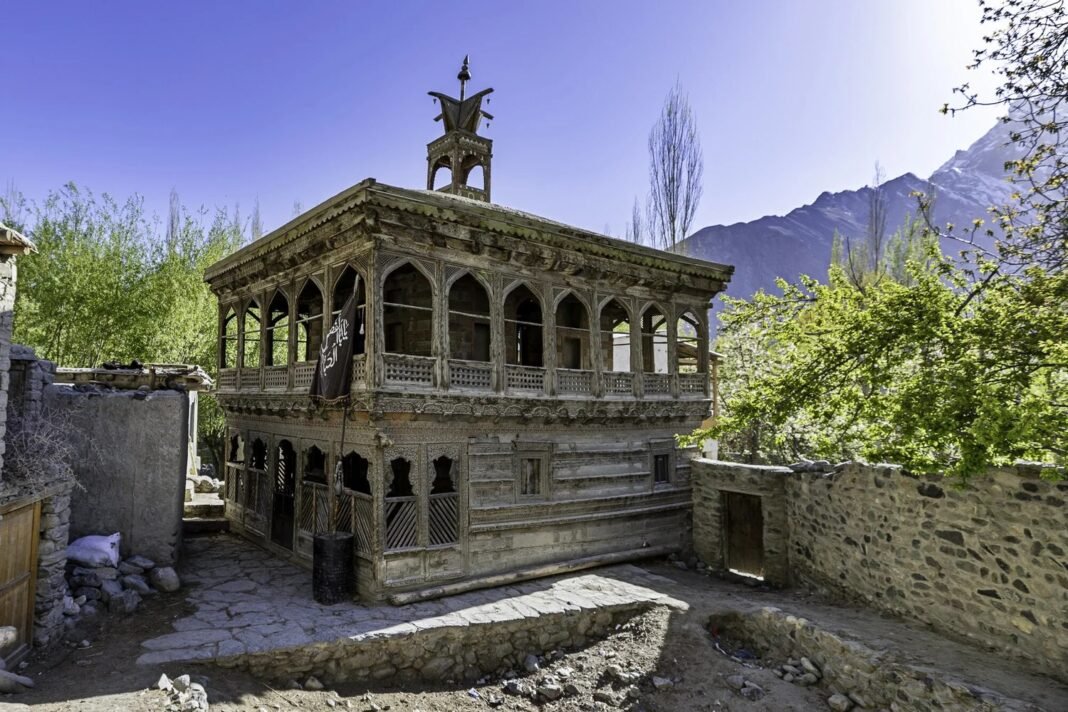
What stops you in your tracks is the woodwork. Cribbage columns, cross-bracketed capitals, carved spandrels, a richly ornamented mihrab, and geometric and floral motifs in abundance — all executed in the traditional Balti way, and crowned by a Tibetan-style tower that speaks of the valley’s Buddhist past. This is architecture you simply do not see anywhere else in Pakistan: a mosque that could only exist in Baltistan, where cultures layered over each other for a millennium.
The Khilingrong Mosque also tells a hopeful story. By the late 20th century it was in an advanced state of deterioration; then the Aga Khan Cultural Service Pakistan stepped in with a community-based restoration (2001–2002) that trained local artisans, revived traditional construction techniques and won a UNESCO Asia-Pacific Heritage Award of Merit in 2012. Visiting is not just sightseeing — it is witnessing what careful, community-led conservation can achieve.
For travelers mapping a Khilingrong Mosque travel guide itinerary, the mosque sits in the heart of Shigar town, steps from the restored Shigar Fort — now a Serena heritage hotel — and the other jewels of the valley. It is the perfect cultural anchor for a day that also includes the Amburiq Mosque, the Khanqah-e-Muallah and the surreal Katpana Cold Desert. If you care about the soul of a place as much as its scenery, Shigar — and Khilingrong — belong on your list.
History of Khilingrong Mosque
The Khilingrong Mosque was constructed in the early years of the 17th century, making it more than 400 years old and one of the oldest mosques in Gilgit-Baltistan. It rose during the era of the Amacha Rajas who ruled Shigar — the same dynasty that built Shigar Fort (Fong-Khar, the “Palace on the Rock”) in the early 1600s. Local tradition and heritage researchers note that the mosque may once have served as a court mosque, standing near the raja’s palace alongside a much smaller structure — a sign of its importance in the religious and public life of the old kingdom.
Its architecture carries the imprint of Baltistan’s layered history. Before Islam took root here, the region was Buddhist, and the mosque’s most distinctive feature — the Tibetan tower crowning the building — descends directly from that earlier tradition. The construction method, stone laid with timber in the cator-and-cribbage technique, is the region’s own earthquake-wise engineering, worked out centuries before modern seismic design. The prayer halls on each floor are organized around a central pillar topped by a carefully decorated cross-bracketed, semi-voluted capital, with richly carved spandrels along the lower veranda and ornamental carvings on the entrance, windows and mihrab.
By the late 20th century, the building was in an advanced state of deterioration — the roof especially had suffered under the extreme weather of the north. The Aga Khan Cultural Service Pakistan began restoration in April 2001, guided by a philosophy of “minimum intervention and maximum retention”: repair only what the building truly needs, keep everything original that can be kept. The roof was the one major intervention; the rest was careful conservation, carried out with the community and through a skills-development programme that trained local artisans in traditional crafts.
The restoration was completed in October 2002 at a total cost of US$ 32,369 — with the Government of Pakistan contributing US$ 21,027, AKCS-P providing technical assistance worth US$ 10,000, and the community itself contributing US$ 1,342. The project reinstated the mosque’s religious function, revived an important public space for the community’s daily life, and earned the Award of Merit in the UNESCO Asia-Pacific Heritage Awards for 2012. Today the 100-square-meter building stands as a showpiece of refined, richly decorated Balti wooden architecture.
Top Things to Do in Khilingrong Mosque
Study the Wooden Architecture
Give yourself unhurried time with the building itself. The two-storey design is ingeniously practical — the ground floor prayer hall is used in winter, the first floor in summer — and the carved detail repays close looking: geometric and floral motifs on the columns, the cross-bracketed capitals, the carved spandrels of the lower veranda. This is Balti craftsmanship at its finest, and after the 2001–2002 restoration it is in remarkable condition.
Look for the Tibetan Tower
Climb back and look at the roofline: the mosque is topped with a Tibetan tower, a direct inheritance from the region’s Buddhist past. It is the single feature that most clearly marks Khilingrong as a Baltistan mosque rather than a Punjab or Sindh one — and a beautiful symbol of how cultures layer rather than erase each other here.
Visit Shigar Fort (Fong-Khar)
Steps away stands Shigar Fort, the 17th-century seat of the Amacha Rajas, restored by the Aga Khan Trust for Culture between 1999 and 2005 and now run as a Serena heritage hotel. Even if you are not staying, the fort’s museum, carved wooden balconies and views over the apricot orchards make it Shigar’s essential companion visit. Non-resident visitors can usually tour for a small entry fee.
See the Amburiq Mosque
Shigar’s other great historic mosque, Amburiq, is one of the oldest mosques in Baltistan and pairs naturally with Khilingrong — together they tell the story of Islam’s arrival and rooting in the valley. Seeing both in one day gives you a rare comparative look at centuries of Balti sacred architecture.
Walk the Old Town and Apricot Orchards
Shigar town itself rewards slow walking: narrow lanes, old wooden houses, water channels and — in season — apricot orchards heavy with fruit. April brings the famous apricot blossom, when the valley floor turns pink and white and photographers arrive from across the country. Buy dried apricots and apricot oil from local shops; they are the valley’s signature produce.
Day-Trip to the Katpana Cold Desert
A short drive from Shigar lies the Katpana Cold Desert, where dunes of fine sand ripple beneath the Karakoram — one of the highest deserts on earth. It is a surreal contrast to the valley’s orchards and a favorite sunset spot. Combine it with the mosques for a full Shigar day.
Famous Places In and Around Khilingrong Mosque
- Shigar Fort (Fong-Khar) — 17th-century Amacha-era fort, now a Serena heritage hotel with a museum
- Amburiq Mosque — another of Baltistan’s oldest mosques, in Shigar
- Khanqah-e-Muallah Shigar — historic Sufi shrine and congregation hall
- Katpana Cold Desert — high-altitude desert dunes with Karakoram views
- Sarfaranga Cold Desert — Skardu’s famous cold desert, on the Shigar road side
- Askole and the Baltoro — the 170-km valley road onward to K2 base camp trailheads
How to Reach Khilingrong Mosque
Khilingrong Mosque is in Shigar town, about 30 to 32 km from Skardu — roughly a 45 to 60-minute drive on a sealed, paved road. Almost every visitor reaches Shigar via Skardu, which is the region’s transport hub.
From Islamabad, the fastest way is to fly to Skardu Airport — flights operate from Islamabad but can be cancelled in bad weather, so keep a buffer day in your plans. The overland alternative is the long but spectacular drive via the Karakoram Highway and the Skardu road, a full-day-plus journey best broken at Chilas or Gilgit. From Lahore and Karachi, fly to Islamabad first and connect onward; there are no direct practical road shortcuts.
Within Skardu, hire a local taxi or jeep for the Shigar run — drivers know the mosque and fort well, and many offer half-day or full-day Shigar packages. The Shigar road is paved and fine for standard cars in the April–October season; winter travel needs a 4×4 and local advice. Public wagons also run between Skardu and Shigar, but a private hire gives you the freedom to linger at the mosque.
Route Details
- Fly or drive to Skardu (Skardu Airport; or by road via the Karakoram Highway).
- From Skardu town, take the Shigar road northeast — about 30 km of paved road, 45–60 minutes.
- In Shigar town, the Khilingrong Mosque stands near Shigar Fort — ask any local; both landmarks are well known.
- Allow a half day for the mosque, fort and old town, or a full day adding the Katpana Cold Desert.
Where to Stay in Khilingrong Mosque
Shigar offers one genuinely special stay and several good simpler options. The standout is the Serena Shigar Fort — the restored 17th-century fort itself, run by Serena Hotels as a heritage property with traditional Balti architecture, modern comforts, a restaurant serving Balti cuisine and an on-site museum. It is the most atmospheric place to sleep in the valley and worth the splurge if your budget allows.
Shigar town also has a growing number of mid-range hotels and guesthouses, many family-run, offering clean rooms, hot water and home-style food at reasonable rates. These are a good value choice for families and groups. For the widest choice — including luxury hotels — base yourself in Skardu, 30 km away, and visit Shigar as a day trip.
Book ahead in the June–August peak season and during apricot-blossom weeks in April. Confirm heating arrangements if visiting in the shoulder months, and carry a warm layer regardless of season — nights are cool even in summer.
Where to Eat: Local Foods of Khilingrong Mosque
Balti cuisine is hearty mountain food, and Shigar is a fine place to taste it. The restaurant at Shigar Fort serves traditional Balti dishes in a heritage setting — the most comfortable introduction for first-time visitors. In town, small hotels and dhabas serve the local staples: Balti breads (including the thick, wholesome loaves baked in traditional ovens), buckwheat preparations, lentils, and seasonal vegetables from the valley’s own fields.
Shigar’s orchards make apricots the star produce — fresh in summer, dried year-round — along with apples, walnuts and apricot oil, all sold in the bazaar. The streams and rivers yield trout, served fresh at better restaurants; if you see it on a menu, order it. For tea, expect the local namkeen (salty) chai alongside regular doodh patti. Meals at local eateries are budget-friendly; the fort restaurant is pricier but worth it for the setting. As in all of Gilgit-Baltistan, meat is usually halal and freshly prepared — and hospitality is generous, so accept offered tea graciously.
Weather in Khilingrong Mosque
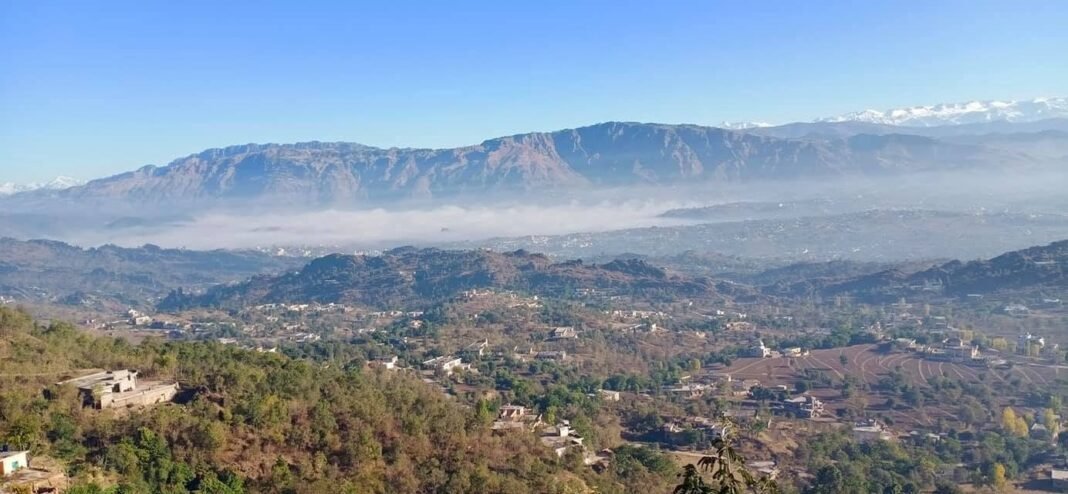
Shigar sits at around 2,300 m in a high mountain valley, so the weather swings hard between seasons. Summers are warm and dry with cool nights; winters are seriously cold with snow. The mosque itself is a year-round place of worship, but for comfortable sightseeing the window is roughly April to October.
| Season | Temperature Range | Conditions |
|---|---|---|
| Winter (Dec–Feb) | -5 to 5°C | Cold, with snowfall; roads can be difficult; valley quiet and starkly beautiful |
| Spring (Mar–May) | 5–20°C | Apricot blossom in April; mild days, cool nights; excellent for sightseeing |
| Summer (Jun–Aug) | 18–30°C | Warm dry days, cool nights; peak tourist season; orchards in fruit |
| Autumn (Sep–Nov) | 5–20°C | Golden poplars and clear skies; thinning crowds; roads open until late October |
Language and Culture of Khilingrong Mosque
The people of Shigar are Balti, speaking the Balti language — a Tibetic tongue that is among the closest living relatives of classical Tibetan. Urdu is widely understood, especially by younger people and anyone in tourism; English works at hotels. The valley’s religious life is predominantly Shia and Noorbakhshia Muslim — Khilingrong itself is associated with the Noorbakhshia tradition — and Sufi shrines like the Khanqah-e-Muallah remain central to community life.
As a visitor to a working mosque, dress modestly: cover shoulders and knees, and women should carry a scarf to cover their heads. Remove shoes before entering the prayer halls, keep your voice low, and avoid visiting during congregational prayer times unless you intend to join respectfully. Photography inside historic mosques is often permitted but always ask the caretaker first. Baltis are famously hospitable — a greeting of “As-salam-o-alaikum” and unhurried politeness open every door.
Shopping in Khilingrong Mosque
Shigar’s bazaar is small but rewarding. The signature buys are dried apricots, apricot oil and walnuts from the valley’s orchards — excellent quality and far cheaper than in the cities. Look also for Balti handicrafts: handwoven woolen shawls and caps, wooden carved items echoing the mosque’s own motifs, and traditional Balti caps (the region’s distinctive headwear).
Pashmina-type shawls and gemstones are sold in Skardu’s larger bazaar if Shigar’s shops don’t have what you want. Bargaining is gentle and expected in small shops; in fixed-price hotel shops it is not. There are no shopping malls in Shigar — and the bazaar’s old-fashioned charm is precisely the point.
Travel Tips for Khilingrong Mosque
Packing Essentials
Layers are everything in Shigar: even in summer, bring a warm fleece or jacket for mornings, evenings and the cool mosque interiors. Comfortable walking shoes for the old town’s lanes, sun protection (the high-altitude sun is fierce), a reusable water bottle, and a camera for the woodwork details. In winter or shoulder seasons, add thermal layers, gloves and a warm cap.
Safety Tips
Shigar is generally peaceful and welcoming to tourists, including families and solo travelers. The usual mountain precautions apply: check road and weather conditions before driving, keep to daylight hours on unfamiliar roads, and hire local drivers who know the Shigar road’s bends. Inside the mosque, treat the carved woodwork with care — no leaning, no touching of delicate surfaces.
Money & Connectivity
Carry sufficient cash — ATMs exist in Skardu but are limited in Shigar town, and small shops are cash-only. Mobile coverage in Shigar town is reasonable on the major networks but patchy in outlying villages; hotels and guesthouses usually offer Wi-Fi. Download offline maps before leaving Skardu.
Best Time to Visit Khilingrong Mosque
April to May — Blossom Season
April’s apricot blossom is Shigar’s most magical fortnight — the valley floor blushes pink and white beneath the Karakoram. May brings mild, clear weather ideal for unhurried heritage walks. This is the connoisseur’s season.
June to September — Peak Season
Warm days, open roads, orchards heavy with fruit and the full bustle of Baltistan’s tourist season. The mosque, fort and desert are all easily accessible. Book accommodation ahead, especially in July and August.
October — Golden Autumn
Poplars turn gold, the light is crisp, and the crowds thin. A beautiful, quieter time to see the valley — just confirm road conditions late in the month.
November to March — Winter Quiet
For the hardy only: biting cold, possible snow-blocked roads, but a stark, crowd-free valley. The mosque remains open for worship. Travel with local guidance and a 4×4.
Final Thoughts
The Khilingrong Mosque is the kind of place that restores your faith in travel. It is not famous in the postcard sense; it will not appear on many bucket lists. But stand beneath its carved cedar columns, look up at the Tibetan tower against the Karakoram sky, and remember that local hands — trained again in their grandfathers’ crafts — brought this building back from ruin, and you understand what heritage really means. It means a community deciding its past is worth keeping.
Pair your visit with the broader Explore Pakistan circuit of the north: the Amburiq Mosque, Shigar Fort, the Katpana Cold Desert and, if time allows, the road onward toward Askole and the Baltoro. For a deeper northern journey, our Malam Jabba and Hunza Valley guides continue the story. Go in blossom season if you can — and go slowly.
FAQs
Where is Khilingrong Mosque located?
Khilingrong Mosque is in Shigar town, Shigar Valley, Gilgit-Baltistan — about 30 km (45–60 minutes) from Skardu, near the restored Shigar Fort, at an altitude of around 2,300 m.
How old is Khilingrong Mosque?
It was built in the early 17th century, making it more than 400 years old and one of the oldest mosques in Gilgit-Baltistan.
What is special about Khilingrong Mosque’s architecture?
It is a unique two-storey wooden building — ground floor used in winter, first floor in summer — built of stone and timber with cribbage columns, exquisite geometric and floral carvings, and a Tibetan-style tower reflecting the region’s Buddhist heritage.
How do I reach Khilingrong Mosque from Islamabad?
Fly from Islamabad to Skardu (flights are weather-dependent), then drive 30 km to Shigar town. The overland alternative is the Karakoram Highway to Skardu — a long, scenic multi-day drive.
What is the best time to visit Khilingrong Mosque?
April to October. April brings the apricot blossom, June–September offers warm settled weather, and October gives golden autumn colours. Winters are very cold with possible road closures.
Is Khilingrong Mosque suitable for families?
Yes — Shigar is peaceful and family-friendly, the road from Skardu is paved, and the mosque, fort and old town make an easy, educational day out for all ages.
Where can I stay near Khilingrong Mosque?
The Serena Shigar Fort heritage hotel is the standout stay, right beside the mosque. Shigar town also has mid-range hotels and guesthouses, and Skardu (30 km away) offers the widest choice.
What else can I see near Khilingrong Mosque?
Shigar Fort, Amburiq Mosque, the Khanqah-e-Muallah, the Katpana Cold Desert, and — for trekkers — the onward road through the 170-km Shigar Valley toward Askole and K2 base camp.