


Quick Facts
- Location: Bagh District, Azad Jammu and Kashmir; about 24 km uphill from Kohala on the Jhelum
- Altitude: Around 1,676 metres above sea level
- Famous For: Accessible deodar and kail forests; the gateway town to Neela Butt; an easy first taste of Azad Kashmir’s mountains
- Nearest City: Bagh (the district headquarters); Muzaffarabad and Rawalakot are the larger regional cities
- Accessibility: Very easy for a hill station; roughly 120 km and about 4 hours from Islamabad by road
- Known Landmarks: Dhirkot Park, the forest rest house area, Chamankot and Chamiyati villages, the old fort locally known as Timroota Pail
- Best For: Families, first-time Azad Kashmir visitors, nature walkers, and travellers wanting mountain air without a long expedition
Why Visit Dheer Kot (Dhirkot)
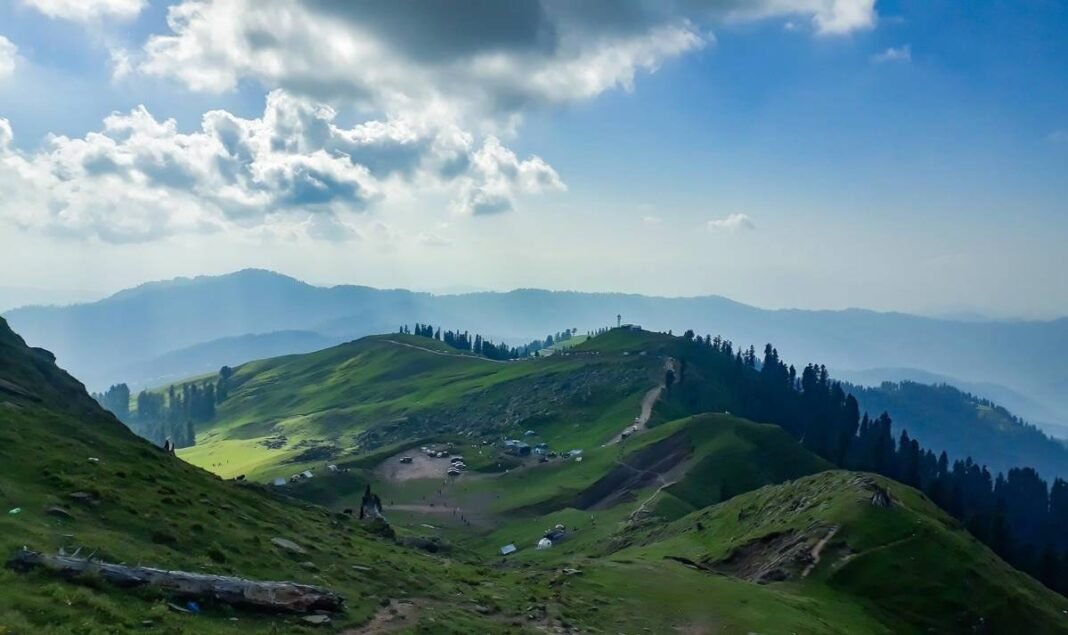
Every mountain lover in Pakistan knows the dilemma: the great valleys are magnificent, but they demand days of driving on demanding roads. Dheer Kot, usually written Dhirkot, solves that dilemma beautifully. Just 24 kilometres uphill from Kohala, where the Jhelum river marks the gateway into Azad Kashmir, the road climbs quickly into cool, green country and delivers you to a proper hill station at around 1,676 metres. Deodar and kail forest closes around the road. The air turns pine-scented and ten degrees cooler. And you have barely left the plains behind.
That accessibility is Dhirkot’s superpower. This is the Azad Kashmir you can do in a weekend: leave Islamabad after breakfast, wind up through the hills past Kohala, and be walking under deodars by lunchtime. It is developed enough to serve as a comfortable overnight halt, with bazaars, eateries and guesthouses, yet quiet enough that a short walk takes you into genuine forest solitude. For families with children or elders, for anyone who wants mountain scenery without mountain hardship, Dhirkot is the friendliest door into the region.
But do not mistake easy for ordinary. The forests here are the real thing: tall deodar and kail stands, hidden meadows, and viewpoints that open suddenly onto layered ridges fading blue to the horizon. Dhirkot is also the natural staging post for deeper exploration. Neela Butt, the historic ridge-top meadow, lies a short drive further into the hills, and the Sudhan Gali area with its alpine meadows is within reach for a longer day. Travellers use Dhirkot exactly as it deserves to be used: as a relaxed overnight on a Bagh circuit, a forest breather between longer drives, or a gentle first expedition for kids meeting the mountains.
This destination is perfect for families, for first-time visitors to Azad Kashmir, for nature walkers and photographers, and for anyone who has a free weekend and a hunger for pine forest. It is not a hardcore trekking base and it does not pretend to be. It is something rarer: a mountain town that is genuinely easy to love. Come between March and November, when the forests are at their greenest and the weather at its kindest.
History of Dheer Kot (Dhirkot)
Dhirkot’s story is the story of the Bagh region of Azad Kashmir. The town sits in country long inhabited by Pahari-speaking mountain communities, chief among them the Sudhan tribe, whose name is woven through the modern history of this whole area. For centuries these hills were part of the princely state of Jammu and Kashmir’s Poonch region: remote, forested, and governed lightly from afar, with the local tribes managing their own affairs in the valleys.
The defining rupture came in 1947. The Poonch uprising against the Dogra ruler, which began as a revolt over taxation and disarmament, became part of the wider conflict that created Azad Kashmir. The hills around Bagh and Dhirkot saw fierce fighting as local forces pushed to liberate the territory. Nearby Neela Butt, the ridge meadow you can still visit today, is remembered locally for its role in that independence struggle, and the region’s oral history is full of the events of those years. When the ceasefire line was drawn, these mountains became part of Azad Jammu and Kashmir, and Dhirkot settled into its long role as a market town and waystation on the Bagh road.
Administratively, the modern shape of the area dates to 1987, when Bagh was created as a separate district with its own headquarters, and Dhirkot became one of its tehsils. Since then the town has grown steadily as the mountains have opened to tourism: the bazaar expanded, guesthouses appeared, and the forest rest houses began hosting a new generation of visitors. The old fort remains above the town, known locally as Timroota Pail, a quiet reminder that this easy, welcoming hill station was once a place worth fortifying.
Top Things to Do in Dheer Kot (Dhirkot)
Walk the Deodar and Kail Forests
This is the essential Dhirkot experience and it costs nothing. The mixed deodar and kail woodland begins almost as soon as you leave the main road, and a network of footpaths and jeep tracks threads through it. Morning is magical: mist in the hollows, birdsong, and that particular cathedral hush of old conifers. Local walkers can point you to the meadow clearings hidden inside the forest, including a lovely small meadow that recent visitors have taken to calling a hidden gem. Walk gently, carry out everything you carry in, and give the forest the quiet it deserves.
Drive On to Neela Butt
Dhirkot’s most natural excursion is Neela Butt, the ridge-top meadow a short drive further into the hills toward Bagh. The meadow is famous for its sweeping views and its place in the region’s independence history, and on a clear day the panorama from the top is superb. It pairs perfectly with a Dhirkot overnight: sleep in the forest town, drive up to the ridge in the morning, and be back for a late lunch.
Explore Chamankot, Chamiyati and Dongi Gali
The villages around Dhirkot are destinations in themselves. Chamankot and Chamiyati sit amid beautiful terraced and forested slopes, and the scenic point at Dongi Gali offers the kind of sudden, wide mountain view that makes you stop the car and just stand there. These are working villages, not tourist sets: greet people, buy tea or fruit where it is offered, and enjoy Azad Kashmir at its most unselfconscious.
Visit the Sardar Abdul Qayyum Horticulture Park
In the Dhirkot area lies a horticulture park named for Sardar Abdul Qayyum, promoted locally as a tourism and picnic destination for its natural landscaping. It makes a pleasant, easy outing for families, especially with children who want open lawns after the forest walks. Local tourism promoters have been working to bring more visitors here, so facilities continue to develop.
Spend an Evening in Dhirkot Bazaar
Small-town bazaars are one of the underrated pleasures of mountain travel, and Dhirkot’s is a good one. Stalls of dry fruits and local produce, tea houses full of travellers and truck drivers swapping road stories, and the easy commerce of a town that exists for its own people first and visitors second. Buy walnuts and dried fruits here; they are excellent and cheap.
Famous Places In and Around Dheer Kot (Dhirkot)
- Neela Butt — the historic ridge meadow, a short drive toward Bagh; the classic Dhirkot excursion.
- Sudhan Gali — alpine meadows and the base for the Ganga Choti trek, further into Bagh district.
- Dhirkot Park — the town’s own green space for an easy stroll.
- Chamankot and Chamiyati — scenic forest villages around the town.
- Timroota Pail — the old fort remains in the area, for history-minded walkers.
- Kohala — the Jhelum bridge and riverside, 24 km downhill on your route.
How to Reach Dheer Kot (Dhirkot)
Reaching Dhirkot is one of the easiest mountain journeys in Pakistan, which is precisely the point. The town sits on the Bagh road, 24 km uphill from Kohala, and the whole trip from Islamabad is a half-day drive on good roads.
From Islamabad: Approximately 120 km, about 3.5 to 4 hours. Take the Murree Expressway toward Murree, continue past Lower Topa toward Kohala, cross into Azad Kashmir at the Kohala Bridge over the Jhelum, and climb the 24 km to Dhirkot. The mountain section is paved and well-travelled, though it twists, so drive it in daylight if you are new to hill roads.
From Lahore: Route via Islamabad, roughly 390 to 420 km total, making it a full day’s journey of 7 to 9 hours. Most Lahore travellers overnight in Islamabad or push straight through for a long weekend.
From Karachi: Fly to Islamabad and drive. The overland route from Karachi is well over 1,400 km and only sensible as part of a much longer northern tour.
Nearest airport: Islamabad International Airport, about 4 hours by road. From the airport, hire a car or catch transport to the Faizabad/Pirwadhai terminals and onward coaches toward Bagh and Muzaffarabad that pass the Kohala-Dhirkot turnoff. Having your own or a hired car gives you the freedom to explore Neela Butt and the surrounding villages.
Road conditions are good from March to November. In winter, the higher surroundings can see occasional snow and the road can be slippery after rain; check conditions before a December to February trip. During the monsoon (July to August), allow extra time and watch for landslip debris on the hill section.
Route Details
Step by step from Islamabad: (1) take the Murree Expressway (N-75) toward Murree; (2) continue beyond Lower Topa, descending toward Kohala; (3) cross the Kohala Bridge over the River Jhelum into Azad Jammu and Kashmir; (4) take the Bagh road and climb approximately 24 km through pine forest to Dhirkot town; (5) the bazaar marks the town centre, with the park, rest houses and forest walks signposted around it. Fuel up before Kohala, carry drinking water, and plan to arrive before dusk.
Where to Stay in Dheer Kot (Dhirkot)
Dhirkot is well set up for overnight stays, which is one of the reasons it works so well as a weekend destination. The town has a spread of guesthouses and small hotels in the bazaar area and along the main road: clean, heated in winter, and inexpensive. These are the default choice for families and first-time visitors, and most can arrange simple meals.
Rest houses add character to the options. The forest rest house in the Dhirkot area, set among the trees, is the most atmospheric place to sleep in town, and government rest houses in the wider Bagh region can sometimes be booked through the AJK tourism offices in Muzaffarabad and Bagh with advance planning. Book rest houses well ahead in the May to August high season.
For the more adventurous, camping is possible in the meadows around the town with the usual leave-no-trace discipline; bring full camping gear, warm sleeping bags even in summer, and check with locals about suitable and safe spots. There is no luxury-resort tier here, and that is part of the charm: Dhirkot is a mountain town, not a mountain theme park. For wider Azad Kashmir inspiration, see our guides to Banjosa Lake and Arang Kel.
Where to Eat: Local Foods of Dheer Kot (Dhirkot)
Mountain-town food in Azad Kashmir is simple, hearty and deeply satisfying after a forest walk. Dhirkot’s bazaar dhabas serve the hill-station canon: chicken karahi and daal with fresh tandoori roti, chana and lobia curries, omelettes and parathas for breakfast, and endless cups of Kashmiri chai, the pink salted tea that is the region’s signature drink. In the evenings, barbecue skewers and grilled meats appear at the busier eateries.
The local produce deserves special mention. This is walnut, apricot and apple country in season, and the bazaar’s dry-fruit stalls are the place to stock up: walnuts, dried apricots and local honey at prices that will make city shoppers weep. A roadside dhaba meal here is thoroughly budget-friendly; even eating well for a full day costs less than a single restaurant dinner in Islamabad.
Eat where the drivers eat: the busiest dhaba on the street is invariably the best one. Carry snacks and water for the forest walks, and if you are camping, bring supplies from the bazaar before heading into the trees.
Weather in Dheer Kot (Dhirkot)
At around 1,676 metres, Dhirkot enjoys a genuine hill-station climate: pleasantly warm summers, crisp autumns, and cold winters with the occasional snowfall in the higher surroundings. The difference from the plains is dramatic; when Lahore and Islamabad are sweltering, Dhirkot sits in the comfortable twenties under the deodars. March to November is the main visiting season, with winter a quieter, colder option for those who like their mountains moody.
| Season | Temperature Range | Conditions |
|---|---|---|
| Winter (Dec-Feb) | 0-10°C | Cold, especially at night; occasional snow in the higher surroundings; quiet and atmospheric |
| Spring (Mar-Apr) | 10-22°C | Fresh and green; wildflowers; an excellent time for forest walks |
| Summer (May-Jun) | 20-30°C | Pleasantly warm days, cool nights; peak season for families escaping the plains heat |
| Monsoon (Jul-Aug) | 20-28°C | Wet and lush; misty forests; allow extra driving time on the hill road |
| Autumn (Sep-Nov) | 12-24°C | Clear skies, golden light, thinning crowds; many travellers’ favourite season |
Language and Culture of Dheer Kot (Dhirkot)
The everyday language of Dhirkot is Pahari (locally close to Pothwari), with Urdu spoken and understood everywhere a visitor needs it. The predominant community is the Sudhan tribe, and the culture is the warm mountain hospitality Azad Kashmir is famous for: guests are honoured, tea is insisted upon, and strangers quickly become guides.
Visitors should match that warmth with respect. Dress modestly, particularly in the villages. Ask before photographing people. In the forests, keep noise down and leave no litter; these woodlands are the community’s heritage as well as its watershed. During Ramadan and on Fridays, the town’s rhythm follows prayer times, and a little patience is appreciated. Travellers who show courtesy find that Dhirkot’s people return it many times over; do not be surprised if a forest walk ends with an invitation to chai.
Shopping in Dheer Kot (Dhirkot)
Dhirkot’s shopping is small, honest and edible. The bazaar’s dry-fruit stalls are the main event: walnuts, dried apricots, almonds and local honey, all fresh and fairly priced. Woollen shawls, caps and socks sold by local vendors make practical souvenirs for the winter, and simple handicrafts appear in a few shops.
There are no shopping malls here and none are needed; the bazaar and the forest are the whole economy of pleasure. Stock up on dry fruits for the drive home. Your future self, stuck in plains traffic with a bag of Dhirkot walnuts, will be grateful.
Travel Tips for Dheer Kot (Dhirkot)
Packing Essentials
Layers are the rule at 1,676 metres: even in summer, evenings under the deodars turn cool, so pack a fleece or light jacket year-round. Sturdy walking shoes for the forest trails, rain gear in monsoon months, sun protection for the ridge viewpoints, a water bottle, and a power bank. If camping, bring full gear including warm sleeping bags; mountain nights surprise the unprepared.
Safety Tips
Dhirkot is a settled, welcoming town and safe for visitors including families. Drive the hill section in daylight, especially if you are new to mountain roads, and never stop on blind curves. On forest walks, stay on established paths, tell your guesthouse where you are headed, and carry a charged phone. In winter, check road conditions before setting out.
Money & Connectivity
Carry cash: the bazaar, dhabas and small guesthouses run on rupees, and ATMs, while present in the larger towns of the district, should not be relied upon in Dhirkot itself. Withdraw in Islamabad, Murree or Bagh. Mobile signals from the major networks cover the town and main roads reasonably well, though data can be patchy deep in the forest valleys; download offline maps before you wander.
Best Time to Visit Dheer Kot (Dhirkot)
Summer (May to June) — Peak Season
Warm days, cool nights, and the great escape from the plains heat. The forests are at their most inviting and the town at its liveliest. Book accommodation ahead.
Monsoon (July to August) — Lush and Misty
The hills turn emerald and the mist rolls through the deodars. Beautiful for photographers and solitude seekers; just allow extra time on the roads.
Autumn (September to November) — The Sweet Spot
Clear skies, golden light, comfortable temperatures and thinning crowds. Many seasoned travellers call this Dhirkot’s finest season.
Spring (March to April) — Fresh and Quiet
Green valleys, wildflowers and crisp air before the summer rush. Excellent for walking.
Winter (December to February) — For the Hardy
Cold, quiet and occasionally snowy in the higher surroundings. A moody, crowd-free mountain experience for those properly equipped.
Final Thoughts
Dheer Kot does not shout. It does not need to. It simply does what the great easy hill stations have always done: it takes you out of the heat and the noise, puts pine scent in your lungs and forest quiet in your ears, and sends you home restored. Four hours from Islamabad, a thousand miles from ordinary.
Use it as a weekend escape, a family-friendly first taste of Azad Kashmir, or a staging post for Neela Butt and the deeper Bagh country. Walk the deodars in the morning mist, drink Kashmiri chai in the bazaar at dusk, and sleep to the sound of wind in the kail. The mountains will do the rest. For more journeys into Pakistan’s high country, keep exploring our Explore Pakistan series.
FAQs
Where is Dheer Kot (Dhirkot) located?
In Bagh District, Azad Jammu and Kashmir, about 24 km uphill from Kohala on the River Jhelum, at around 1,676 metres above sea level.
What is the best time to visit Dhirkot?
March to November. Summer (May-June) is peak season for escaping the plains heat; autumn (September-November) offers the clearest skies.
How do I reach Dhirkot from Islamabad?
About 120 km by road, 3.5 to 4 hours via the Murree Expressway, Kohala Bridge and the 24 km climb to the town.
Is Dhirkot suitable for families?
Very. It is one of Azad Kashmir’s most accessible hill stations, with easy forest walks, a town bazaar, parks and comfortable guesthouses.
What is there to do in Dhirkot?
Forest walks among deodar and kail, the excursion to Neela Butt meadow, village visits to Chamankot and Chamiyati, the horticulture park, and evenings in the bazaar.
Where can I stay in Dhirkot?
Guesthouses and small hotels in the town, the atmospheric forest rest house, and camping in the surrounding meadows for the equipped.
What food should I try?
Dhaba classics like chicken karahi and daal-roti, Kashmiri chai, and the bazaar’s walnuts, dried apricots and local honey.
Can Dhirkot be done as a day trip from Islamabad?
It is possible (about 8 hours of driving round trip) but an overnight stay is far more rewarding; the forest mornings are the best part.
, Pakistan? Discover why it deserves your visit, the best time to go, top things to do and how to reach.)