Every mountain region has a place the guidebooks whisper about — the valley the climbers know, the trekkers dream about, and the crowds never reach. In Pakistan’s Karakoram, that place is Charakusa Valley. Tucked into the eastern Karakoram above the road-end village of Hushe, it has been called the “Chamonix of the Karakoram”: a hidden basin of glaciers, granite towers, and 7,000-metre peaks where some of the most beautiful climbing walls on earth rise straight out of wildflower meadows. This Charakusa Valley travel guide tells you why this remote valley deserves your trip, when to go, and exactly how to reach it.
Charakusa is not a casual sightseeing stop. There are no hotels up the glacier, no restaurants, no viewpoint platforms. Getting there means a journey to Skardu, a long jeep ride to Hushe — the last village of Ghanche district — and then a multi-day trek with tents, porters, and a guide. But what waits at the end of that effort is something increasingly rare: a great Karakoram valley you can have almost to yourself, with the base camps of K6 (7,282 m) and K7 (6,934 m) sitting in a green amphitheatre beneath walls of granite and ice. If you are a trekker, a climber, or a mountain lover who wants the Karakoram raw, Charakusa is calling.
Quick Facts
- Location: Eastern Karakoram Range, Hushe Valley, Ghanche district, Gilgit-Baltistan, Pakistan — inside the Central Karakoram National Park
- Altitude: Hushe village sits around 3,050–3,180 m; trek camps rise to about 3,600–4,600 m, with K6/K7 base camps at roughly 4,600 m
- Famous For: The Charakusa Glacier, base camps of K6 (7,282 m) and K7 (6,934 m), granite rock towers, and world-class rock and ice climbing
- Nearest City: Skardu (about 140 km from Hushe); Khaplu is the nearest town on the road in
- Accessibility: Road to Hushe (jeep only), then trekking only. No road, no airstrip, no facilities beyond Hushe village
- Known Landmarks: K6 (Baltistan Peak, 7,282 m), K7 (6,934 m), Link Sar (7,041 m), Drifika (6,650 m), Kapura (6,545 m), Namika (6,325 m), Laila Peak views
- Best For: Serious trekkers, mountaineers, rock climbers, photographers, and solitude seekers — not casual tourists
Why Visit Charakusa Valley
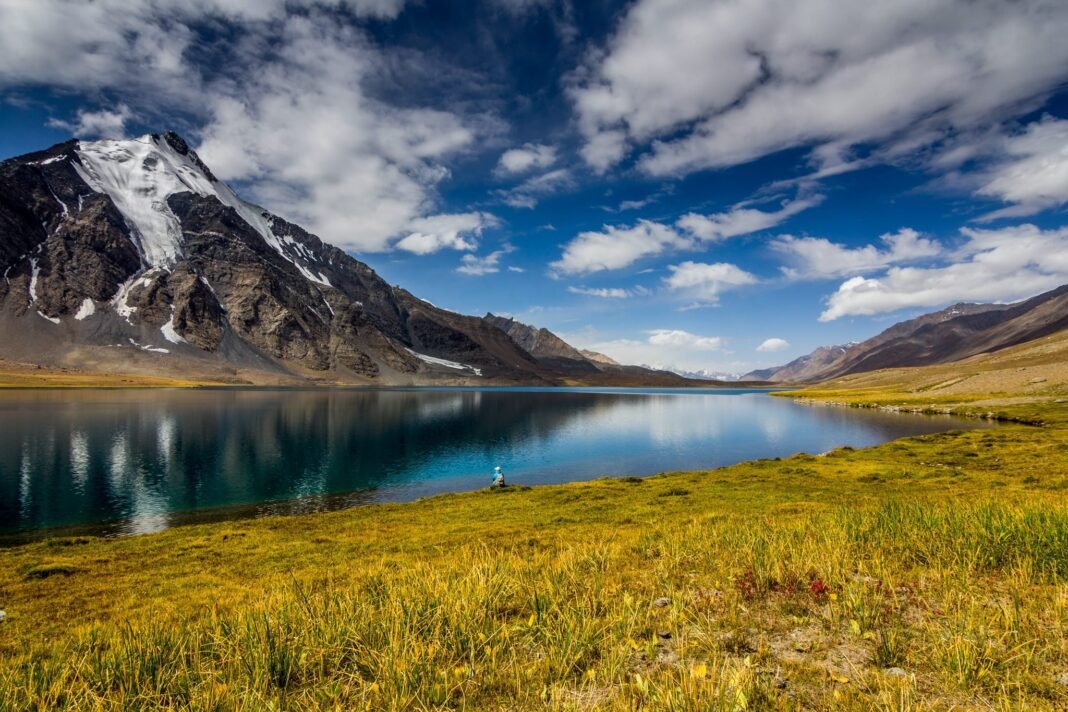
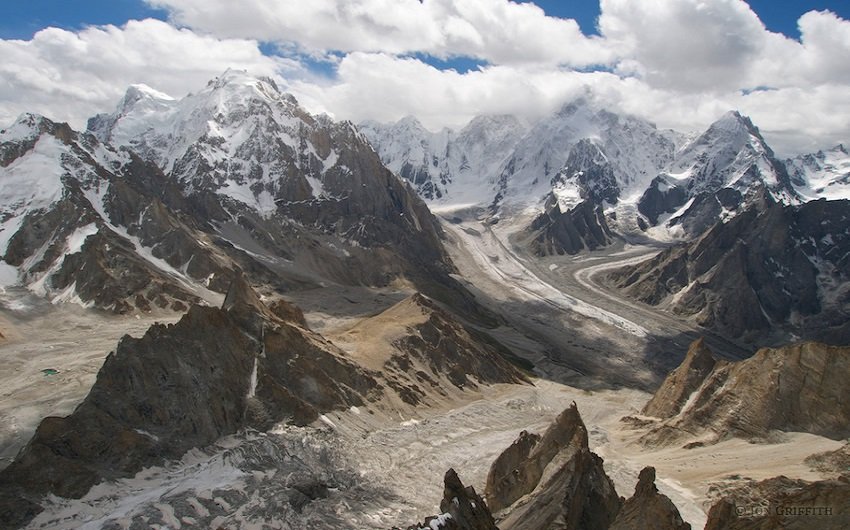
Start with the setting. The Charakusa glacier is the most easterly of the five glacier systems radiating from the northern end of the Hushe valley, and the basin it carves is one of the great natural amphitheatres of the Karakoram. Stand at the base-camp meadows and you are ringed by a skyline most mountain ranges would kill for: K6 and K7, the twin 7,000-metre pyramids that dominate every photograph; Link Sar’s long white ridge; the sharp spires of Drifika, Kapura, and Namika; and on clear days, the unmistakable fang of Laila Peak. The camps themselves sit on flat grassy plains with shady trees, wildflowers, and streams — the classic Karakoram trick of putting paradise directly beneath giants.
Then there is the climbing. Charakusa’s granite towers and ice pinnacles have drawn the world’s best alpinists for decades, and the valley’s nickname — the Chamonix of the Karakoram — was earned the hard way, on walls that test even elite climbers. But you do not need to be an elite climber to come here. The approach trek to the K6 and K7 base camps is a non-technical walk, and simply reaching those meadows puts you in the middle of one of the great mountain scenes on the planet. For trekkers, it is the rare chance to stand beneath 7,000-metre faces without needing expedition skills.
The third reason is solitude. While the Baltoro corridor funnels hundreds of trekkers toward K2 base camp every season, Charakusa sees a fraction of that traffic. The Central Karakoram National Park lists the K6/K7 base camp trek among its established discovery routes, yet on many days you will share the valley with nobody but your own team, your porters, and the occasional climbing expedition. In an age of crowded trails, that emptiness is a luxury no money can buy — only effort.
Finally, Charakusa is affordable Karakoram. The approach is a three-day walk from the end of the road at Hushe, and many of the valley’s sub-6,000-metre peaks carry no permit fee and require no liaison officer — which is why the valley has long been described as one of the most affordable expedition venues in the range. Come with a licensed local operator, and you get world-class mountains without the world-class bureaucracy of the 8,000-metre peaks.
History of Charakusa Valley
Charakusa has no ancient monuments and no written chronicles — its history is the history of exploration, and it begins with the mountains themselves. The Karakoram’s great peaks were unknown to the outside world until the 19th-century surveyors of British India began triangulating the range, and the Hushe valley stayed remote long after that. For the Balti people of Hushe, these valleys were summer pastures and hunting grounds, not destinations; the idea of climbing the peaks for sport arrived with European mountaineers in the 20th century.
The modern story of Charakusa is written in climbing history. K6 — also known as Baltistan Peak, at 7,282 metres — and K7 (6,934 m) became objectives for serious expeditions, and the valley’s granite spires attracted rock climbers who recognised in Charakusa something like the Alps’ Chamonix: a compact, endlessly varied climbing arena. Austrian, British, American, and Pakistani teams have all left their mark on these walls over the decades, and the valley’s first ascents read like a roll call of bold alpinism.
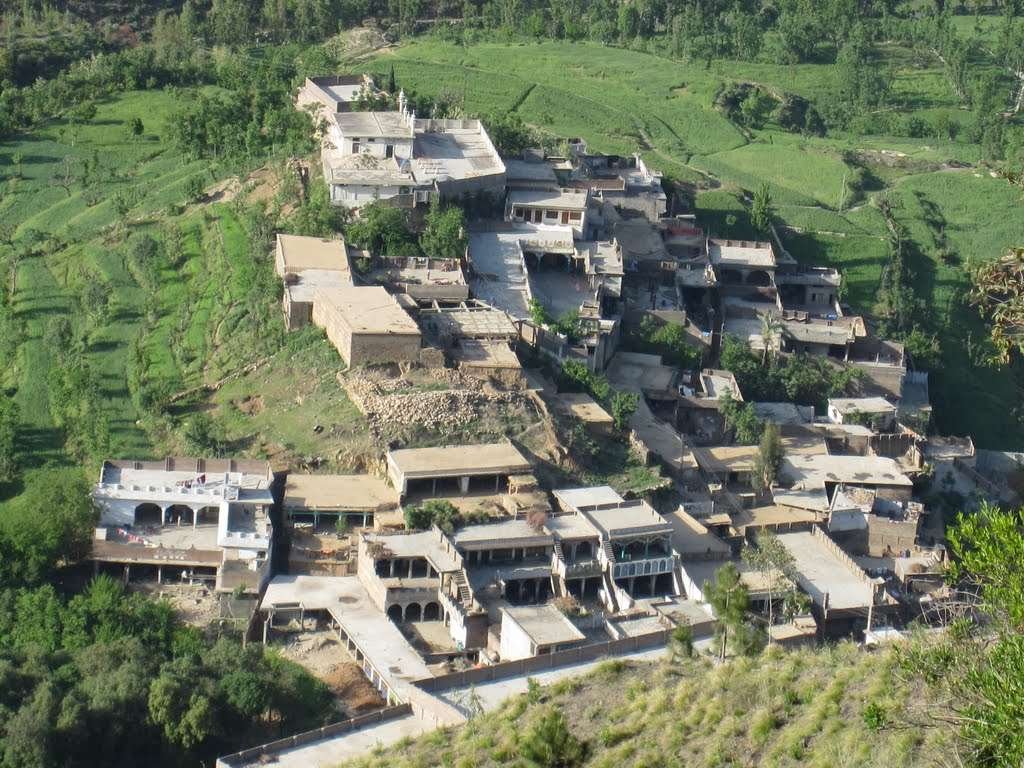
Hushe village, the gateway, has its own modern history. Villagers began working as cooks and porters for mountaineering expeditions in the 1960s, and as trekking grew, Hushe transformed from one of the poorest, most isolated settlements in Baltistan into a genuine mountain-tourism hub. Today the men of Hushe are famous across the Karakoram as porters and guides, working routes all the way to K2 base camp via the Gondogoro Pass — and the Charakusa valley is their home ground, the training valley where many of them learned the mountains.
The valley now sits within the Central Karakoram National Park, Pakistan’s largest protected area, which formally recognises the K6/K7 base camp trek as one of its discovery routes. That protection matters: it keeps Charakusa what it has always been — wild, quiet, and gloriously difficult to reach.
Top Things to Do in Charakusa Valley
Trek to the K6 and K7 base camps
The signature journey. From Hushe village, the trail follows the Hushe River north, then turns onto the Charakusa glacier’s lateral valleys toward the base-camp meadows at around 4,600 metres. The Central Karakoram National Park’s published itinerary allows roughly five days for the return journey, though most commercial treks take 10–14 days with acclimatisation and side excursions. The classic camps include Saicho (around 3,600 m), a traditional staging point. You need no technical climbing skills — just fitness, a guide, and respect for altitude.
Climb the granite towers
For experienced climbers, Charakusa is a lifetime destination. The rock and ice pinnacles around K6, K7, Link Sar, Drifika, Kapura, and Namika offer technical routes at the highest level, and the many sub-6,000-metre towers mean no permit fee and no liaison officer — just a three-day walk from the road and some of the finest climbing in the Karakoram. All climbs should be arranged through licensed operators with proper safety protocols.
Photograph the Karakoram’s great faces
Even without ropes, Charakusa is a photographer’s dream. Dawn light on K6’s pyramid, the long ridge of Link Sar, Laila Peak’s perfect spear on the horizon, glaciers curling between granite walls, and wildflower meadows in the foreground — bring every battery you own and a tripod. The valley’s emptiness means no crowds in your frames.
Experience Balti culture in Hushe
Spend a day or two in Hushe village before or after the trek. Walk the terraced fields, meet the porters and guides who work the great Karakoram routes, and experience the genuine hospitality of a Balti mountain village. Hushe’s apricot orchards, traditional stone houses, and views of Masherbrum (7,821 m) make it a destination in its own right.
Watch for wildlife
The national park protects ibex, and the high valleys are snow-leopard country — sightings are rare, but the possibility adds electricity to every ridgeline walk. Golden eagles and lammergeiers ride the thermals above the glacier.
Famous Places In and Around Charakusa Valley
- K6 Base Camp (~4,600 m) — beneath Baltistan Peak (7,282 m), the valley’s great objective.
- K7 Base Camp — below the 6,934 m pyramid, on a flat grassy plain.
- Saicho/Saitcho (~3,600 m) — traditional camp and staging point on the approach.
- Link Sar (7,041 m) — the long-ridged giant on the valley skyline.
- Laila Peak — the famous spear-shaped peak visible from the valley.
- Hushe Village (~3,050–3,180 m) — the last village of Ghanche district and trek gateway.
- Masherbrum (7,821 m) — the great K1 massif dominating the Hushe valley approach.
- Gondogoro Pass — the high pass linking Hushe to Concordia and K2 base camp country.
How to Reach Charakusa Valley
Reaching Charakusa is a genuine expedition in logistics — which is exactly why the valley stays empty. The journey has three stages: get to Skardu, get to Hushe, and walk. From Islamabad, you can fly to Skardu in under an hour (PIA operates the route, weather permitting — and mountain weather cancels flights often, so keep buffer days), or drive the long road via the Karakoram Highway and Skardu road, a journey of roughly 22–30 hours depending on conditions. Most travelers break the drive at Besham and Chilas.
From Skardu, Hushe village lies about 140 km to the east, a jeep journey of roughly 5–7 hours via Shigar valley and Khaplu. The road is unpaved in stretches and crosses meltwater nullahs that can swell by afternoon — start early. A 4×4 jeep hired from Khaplu for the Hushe run typically costs in the range of PKR 12,000–16,000. From Hushe, there is no further transport: the Charakusa valley is reached on foot in about three days of trekking with porters and a licensed guide. All trekking in the national park should be arranged through a registered tour operator, who handles permits, porters, camping gear, and food.
Route Details
- From Islamabad: Fly Islamabad–Skardu (about 1 hour, subject to weather) or drive via Mansehra, Besham, and Chilas to Skardu (about 22–30 hours; split over 2–3 days). Alternatively, take a NATCO or private bus/van from Pirwadhai, Rawalpindi to Skardu (about 24–30 hours).
- From Lahore: Fly or drive to Islamabad first, then follow the Islamabad route above.
- From Karachi: Fly to Islamabad (about 2 hours), then fly or drive onward to Skardu as above.
- Skardu to Hushe: Hire a 4×4 jeep in Skardu or Khaplu; drive east through Shigar valley and Khaplu, then up the Hushe valley to Hushe village (about 140 km, 5–7 hours). Arrange porters in Hushe.
- Hushe to Charakusa base camps: Trek north along the Hushe River, then west up the Charakusa glacier system via camps like Saicho — about three days to the K6/K7 base-camp meadows. Full trek itineraries run 10–14 days including acclimatisation.
For more northern adventure ideas, see our Explore Pakistan guides and the Hunza Valley guide.
Where to Stay in Charakusa Valley
Be clear about this: there are no hotels, guesthouses, or lodges in Charakusa Valley itself. Every night up the valley is a camping night, and your tour operator provides the tents, sleeping bags, mats, and kitchen setup — full trek packages include all camping gear and meals on the trail. This is expedition-style travel, and that is the point.
Before and after the trek, you will stay in Skardu and Hushe. Skardu has the full range — from budget hotels to comfortable mid-range options and a few genuinely good hotels with mountain views. In Hushe village, accommodation is basic: simple guesthouses and homestays run by local families, plus camping in fields below the village. Book Skardu hotels in advance for the June–September season, and expect Hushe to be simple but warm — the hospitality of the Balti people is the real luxury here.
Where to Eat: Local Foods of Charakusa Valley
On the trek, your operator’s cook team handles all meals — typically hearty Pakistani mountain-trek fare: rice, lentils, pasta, soups, and plenty of tea. Eat well and drink constantly; altitude suppresses appetite and dehydration sneaks up fast. In Hushe village and Skardu, you eat Balti food, and it is worth arriving hungry.
The Balti table centres on wheat and dairy: try balay (hand-pulled noodle soup), mamtu (steamed dumplings), chapshuro (meat-filled pastry), and prapoo with apricot oil. Butter tea (gur gur cha) is the classic high-altitude drink — salty, warming, and an acquired taste worth acquiring. Hushe’s orchards produce superb apricots (dried apricots are the valley’s famous export), apples, and mulberries in season. A simple local meal in Hushe or Skardu is very budget-friendly; on the trek, all food is included in your package price.
Weather in Charakusa Valley
Charakusa is a high Karakoram valley, and its weather is pure mountain: short summers, long brutal winters, and rapid changes at any time. The trekking season is short — roughly June to September — and even then, snow can fall at base camp and temperatures swing wildly between sun and shade. Winter closes the valley entirely to trekkers.
| Season | Temperature Range (valley/base camp) | Conditions |
|---|---|---|
| Winter (Nov–Apr) | -20°C to -5°C | Deep snow, extreme cold, valley inaccessible for trekking. Only for serious winter expeditions. |
| Spring (May) | -5°C to 10°C | Shoulder season; snow lingering on the approach, avalanche risk. Early/late for most trekkers. |
| Summer (Jun–Aug) | 5°C to 20°C | Prime trekking season. Warm days in Hushe, cool nights at base camp. Afternoon clouds and brief storms possible. |
| Autumn (Sep–Oct) | -5°C to 12°C | Clear, stable, golden — many consider September the finest month. Cold nights; winter closes in by late October. |
Language and Culture of Charakusa Valley
The people of Hushe are Balti, speaking the Balti language (a Tibetic language), with Urdu widely understood as the lingua franca of tourism. The culture is mountain Balti: Islamic, deeply hospitable, and shaped by centuries of living at the edge of the habitable world. Porters and guides are the backbone of the local economy, and the profession carries real pride — many Hushe men have worked on K2 and the great 8,000-metre peaks.
Visitors should dress modestly in the village, ask before photographing people, and accept offered tea — hospitality here is genuine and generous. On the trail, the ethic is Leave No Trace: carry out all rubbish, avoid disturbing livestock and wildlife, and respect grazing land. The valley is inside a national park, so the rules are not just courtesy — they are the price of keeping Charakusa wild.
Shopping in Charakusa Valley
There is nothing to buy in Charakusa Valley itself — and that is a feature, not a bug. Do your shopping in Skardu before heading to Hushe: the bazaars stock trekking supplies, dried apricots and other dry fruits, Balti handicrafts, and warm clothing. In Hushe village you may find homemade dried apricots and apricot oil sold by families — buy them; they are superb and the money goes directly to the community. There are no shopping malls anywhere on this route, nor should there be.
Travel Tips for Charakusa Valley
Packing Essentials
This is a full expedition packing list: four-season sleeping bag (provided by most operators, but confirm), broken-in trekking boots, layered clothing including a down jacket, waterproof shell, warm hat and gloves, sunglasses and high-SPF sunscreen (glacier glare is brutal), headlamp, water purification, personal medications, and altitude-sickness medication after consulting your doctor. Your operator provides group gear — tents, ropes, kitchen — but personal kit is your responsibility.
Safety Tips
Altitude is the main risk: base camps sit around 4,600 m, so acclimatise properly, ascend gradually, and know the symptoms of AMS. Never trek without a licensed guide and registered operator; crevassed glaciers and rockfall are real hazards off the main trail. Weather changes fast — carry rain gear even on blue-sky mornings. Keep buffer days for Skardu flight cancellations. Carry your passport/CNIC for checkpoints.
Money & Connectivity
Carry all the cash you will need from Skardu — there are no ATMs in Hushe and no card payments anywhere on the route. Mobile signals (SCO, and patchy coverage from other networks) reach Hushe village but die quickly up the valley; expect zero connectivity on the trek. A satellite communicator is worth considering for remote trekking.
Best Time to Visit Charakusa Valley
Summer (June to August) — the main season
The classic window for the Charakusa Valley trek: snow-free trails, the warmest temperatures, long daylight, and the valley at its greenest. July and August are the busiest (which still means quiet by any normal standard). Book operators and Skardu flights well ahead.
September — the connoisseur’s month
Many experienced Karakoram travelers prefer September: stable high-pressure weather, crystal-clear views, golden autumn colours creeping into the meadows, and even fewer people. Nights are colder, but the photography is unbeatable.
May and October — for the hardy only
Possible in settled years but risky: lingering snow, cold, and the chance of being shut out by early winter storms. Only with an experienced operator and flexible dates.
November to April — closed
Winter owns the valley. Deep snow and extreme cold make trekking impractical; the mountains wait for summer.
Final Thoughts
Charakusa Valley is not for everyone, and that is exactly why it is for you — if you are the kind of traveler who measures a trip in effort rather than comfort. The three-day walk from Hushe, the thin air at 4,600 metres, the nights in a tent beneath walls of granite: all of it is the price of admission to one of the great mountain rooms of the world, a place climbers call the Chamonix of the Karakoram and trekkers remember for the rest of their lives.
Go in summer, go with a good local operator, go with strong legs and an open heart — and when you stand in those base-camp meadows with K6 towering above the wildflowers, you will understand why the people of Hushe never really leave these mountains, even when they travel the world. For more Karakoram inspiration, browse our Explore Pakistan collection.
FAQs
Where is Charakusa Valley?
Charakusa Valley is in the eastern Karakoram Range, above Hushe village in Ghanche district, Gilgit-Baltistan, Pakistan — inside the Central Karakoram National Park, about 140 km east of Skardu.
What is the best time to visit Charakusa Valley?
June to September is the trekking season, with July–August the main window and September prized for clear, stable weather. The valley is snowbound and inaccessible from November to April.
How do I reach Charakusa Valley?
Fly or drive from Islamabad to Skardu, take a 4×4 jeep to Hushe village (about 140 km, 5–7 hours), then trek about three days with a guide and porters to the K6/K7 base camps.
Is Charakusa Valley safe for trekkers?
With a licensed operator, proper acclimatisation, and a guide, it is a standard — if demanding — Karakoram trek. Altitude, weather, and glacier hazards are the main risks; never go without local expertise.
Is Charakusa Valley suitable for families?
No — this is an expedition trek with multi-day camping at high altitude, suitable for fit, experienced trekkers only. Families should enjoy Hushe village or Skardu instead.
Where can I stay in Charakusa Valley?
Nowhere but a tent — there is no accommodation in the valley. Operators provide full camping setups; stay in Skardu hotels and Hushe guesthouses before and after.
What are K6 and K7?
K6 (Baltistan Peak, 7,282 m) and K7 (6,934 m) are the two great 7,000-metre peaks at the head of Charakusa Valley, among the most beautiful climbing peaks in the Karakoram.
Do I need a permit to trek Charakusa Valley?
Trekking to the base camps is arranged through registered operators within the national park framework. Peaks under 6,000 m carry no climbing permit fee and need no liaison officer; 7,000 m peaks require full expedition permits.