This Gurdwara Pehli Patshahi, Alpa travel guide takes you to one of the quietest and most moving stops on Guru Nanak’s journeys through Punjab: a small shrine on the bank of the River Ravi in Kasur district, where the founder of Sikhism once rested on his way from Nankana. Also, inside you will find the real history of the site, how to reach it from Lahore, Islamabad and Karachi, the best time to visit, nearby places, and practical tips for a respectful heritage trip.
Quick Facts
- Location: Village Alpa, tehsil Chunian, Kasur district, Punjab, right on the bank of the River Ravi
- Famous For: A historic gurdwara marking Guru Nanak’s stay here on his journey from Nankana Sahib; “Pehli Patshahi” means the First Guru
- History: Jagat Guru Nanak Dev Ji arrived from Nankana and stayed in Alpa for a while; the shrine once stood 4 km outside the village, and a settlement called Chota Nanakiana Alpa has since grown up around it
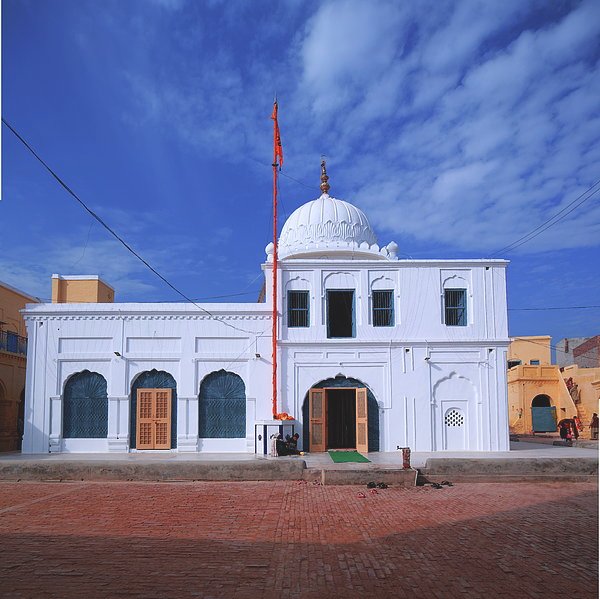
- Present Condition: Only three rooms survive, which once housed a government school; they now stand vacant with roofs caved in
- Endowment: A huge estate of agricultural land is endowed in the name of the shrine, in Alpa and other villages
- Nearest Town: Halla, famous for dairy farming, 12 km away on the Pattoki–Ravi road
- Nearest City: Pattoki (toward Lahore) and Kasur city; Chunian is the tehsil headquarters
- Accessibility: Metalled road from Pattoki through Halla to the Ravi bank; the last stretch is a village road
- Best For: Heritage travellers, Sikh pilgrims, students of Punjab’s shared history, photographers of rural Punjab, and offbeat explorers of Kasur district
Why Visit Gurdwara Pehli Patshahi, Alpa
Some places reward you with beauty; Alpa rewards you with honesty. Also, this is not a polished, restored monument with ticket counters and cafeterias. It is three empty rooms with fallen roofs on the bank of the Ravi, in a village that grew up around a saint’s memory. And that is exactly why the trip matters. To stand at Alpa is to stand where Guru Nanak once stood, looking at the same river, in the same wheat-growing countryside, with nothing between you and that history except five centuries of Punjab itself.
The second reason to come is the village around the shrine. The gurdwara’s presence shaped it.. As a result, the settlement here is literally called Chota Nanakiana Alpa — “Little Nanak’s Village of Alpa” — Before partition, prakash of the Guru Granth Sahib took place here and a fair gathered every Vaisakhi. The shrine once carried a huge land endowment in the villages around it. Alpa is one of those places where a community’s whole geography was organised around a shared sacred memory. You can still read that story in the landscape if you know what to look for.
A Quiet Stop on the Ravi Circuit
Third, Alpa makes a perfect quiet half-day stop on a wider Kasur–Ravi heritage circuit. Also, the River Ravi flows right beside it — the same river that shaped the poetry and wars of Punjab — and the drive here passes Halla, the dairy town. The flower nurseries of Pattoki. If you are the kind of traveller who prefers a forgotten shrine and a village elder’s stories over a crowded tourist spot, this Gurdwara Pehli Patshahi, Alpa travel guide is written for you.
Finally, visiting places like Alpa is an act of preservation in itself. These small shrines survive in local memory long after their buildings crumble, and every respectful visit keeps their story alive for the next generation. Come with patience, bring a local contact if you can. You will leave with a deeper sense of Punjab than any museum can give you.
History of Gurdwara Pehli Patshahi, Alpa
The recorded history of this shrine comes from the standard survey of Sikh heritage in Pakistan, documented by researcher Iqbal Qaiser in Historical Sikh Shrines in Pakistan and corroborated by Sikh encyclopaedic sources. Also, the village of Alpa lies in tehsil Chunian of Kasur district. In fact, a road from Pattoki leads toward the River Ravi, and on this road stands Halla, a well-known town famous for dairy farming. Alpa itself is 12 km from Halla, right on the bank of the Ravi.
According to the historical record, Jagat Guru Nanak Dev Ji arrived in this village from Nankana and stayed here for a while. Also, Nankana Sahib — Guru Nanak’s birthplace — lies to the north. The Guru’s journeys (udasis) took him across this whole belt of central Punjab in the early 1500s. Villages like Alpa, Bhail, Mallah and Manak each preserve the memory of one such stop, and together they map the Guru’s travels through the region in a way no single textbook can.
A Village Grew Around the Shrine
In earlier times the shrine stood about 4 km outside village Alpa. Also, over time a new settlement, Chota Nanakiana Alpa, was built around the shrine itself. In fact, a pattern repeated at several Nanak-associated sites in Punjab, where the sacred spot gradually becomes a village of its own. Once upon a time, prakash of the Guru Granth Sahib took place here. A fair was held every Vaisakhi, drawing the local sangat. A huge estate of agricultural land was endowed in the name of the shrine, both in Alpa and in neighbouring villages. This shows how significant this asthan once was.
After 1947, with the migration of the Sikh population, the shrine lost its congregation. Also, the building’s remaining three rooms were used as a government school for a period. Those rooms now stand vacant, their roofs caved in. The endowed land, meanwhile, remains recorded in the shrine’s name — a quiet legal memory of a living tradition. Heritage surveys note that while the structure is in ruins, the site itself, the village name. The elders’ memories keep its story intact. Visiting today is therefore less about a building and more about a landscape of memory: the Ravi, the fields. The village of Chota Nanakiana Alpa.
Top Things to Do in Gurdwara Pehli Patshahi, Alpa
Stand at the surviving shrine rooms
Only three rooms of the old gurdwara complex survive. They are in poor condition — roofs fallen, interiors empty — so this is not a place to enter but a place to stand before, quietly. Look at the brickwork and the scale of the rooms: they once held a school, and before that, the prakash of the Guru Granth Sahib. Photograph respectfully, and if village elders are around, ask them about the site’s history — their accounts are often the richest record that exists.
Walk the bank of the River Ravi
The Ravi flows right beside Alpa. Also, it is one of the great rivers of Punjab — the river of Heer Ranjha, of Lahore’s history, of centuries of floods and harvests. Walk the bank in the late afternoon, when the light is soft and the water birds come in. In winter the river runs low and calm. After the monsoon it runs broad and fast. Do not swim in the river — the currents are unpredictable — but sit with it for a while. This is the same river Guru Nanak would have seen.
Explore Chota Nanakiana Alpa village
The village that grew up around the shrine carries the Guru’s name in its own: Chota Nanakiana Alpa. Also, walk its lanes, greet the residents, and notice how a sacred site once organised a whole settlement. If you visit during wheat harvest (April–May) or sowing season, you will see the agricultural life of the Punjab plains at full stretch — buffalo carts, threshers, and fields that run to the horizon.
Drive the Pattoki–Halla–Alpa road
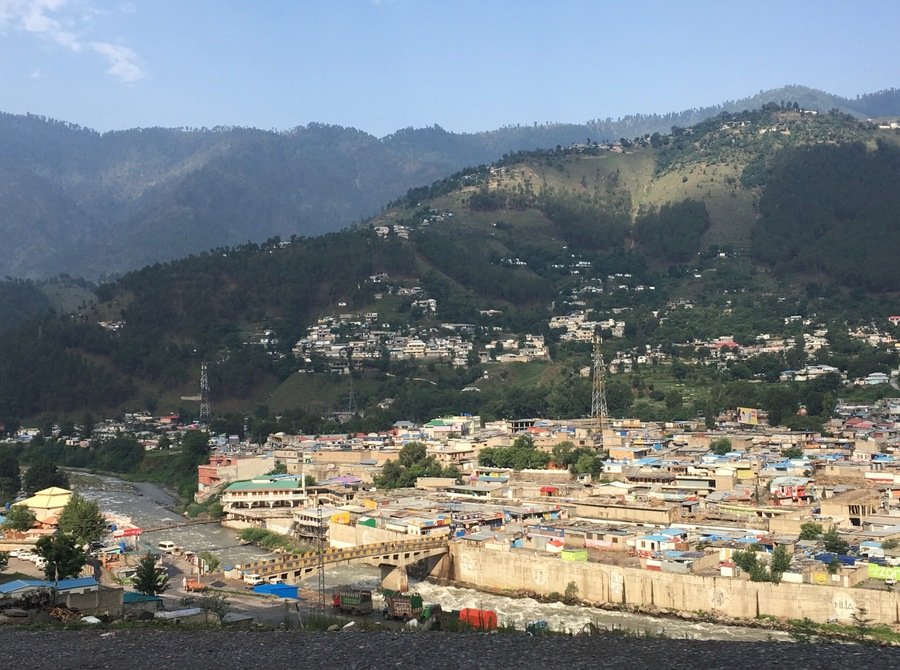
The approach itself is worth the trip. Meanwhile, Pattoki is Pakistan’s nursery town — mile after mile of flower and plant nurseries line the road — and Halla is famous for dairy farming, with fresh milk and desi ghee sold at every other shop. Stop for a glass of fresh lassi in Halla before continuing to the Ravi. The 12 km from Halla to Alpa is flat, green, and deeply rural.
Famous Places In and Around Gurdwara Pehli Patshahi, Alpa
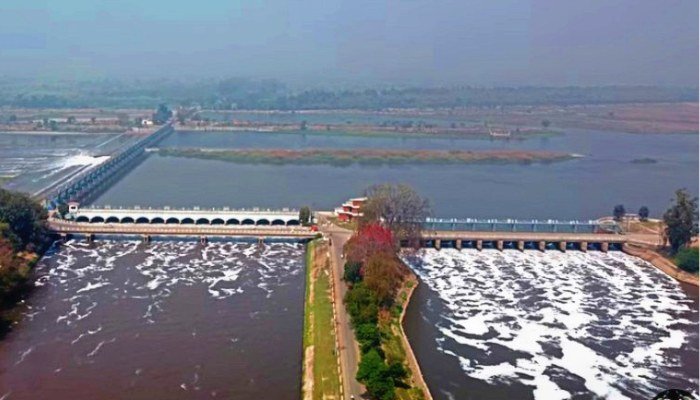
Head Balloki (about 30–40 km): the historic headworks on the Ravi near Pattoki, with the river spread wide — a good picnic and photography stop on the way back. Pattoki (about 35–45 km): the city of flowers, famous across Pakistan for its nurseries. Kasur city (about 40–50 km): home to the shrine of the great Punjabi Sufi poet Baba Bulleh Shah.
The city of Kasuri methi and falooda. Chunian (about 25–30 km): the tehsil town with its historic fort and old bazaar. Nankana Sahib (about 60–70 km): Guru Nanak’s birthplace and the holiest Sikh shrine in Pakistan — the natural pairing for this trip, since the Guru came to Alpa from Nankana.
How to Reach Gurdwara Pehli Patshahi, Alpa
Alpa is reached by road via Pattoki and Halla. From Lahore, take the N-5 / Multan Road (or the M-2/M-3 motorway network toward Pattoki) to Pattoki, then head southwest on the road toward the Ravi through Halla. Alpa is 12 km past Halla on the river bank. The roads to Halla are metalled and in reasonable condition. The final village stretch is narrower, so drive slowly and expect buffalo carts and tractors.
- From Lahore: roughly 100–115 km, about 2–2.5 hours depending on traffic out of the city.
- From Islamabad: roughly 400–430 km via the M-2 motorway to Lahore/Pattoki, about 5.5–6.5 hours.
- The Karachi route: roughly 1,050–1,100 km via the N-5, about 13–14 hours — best done as an overnight stop in Multan or Lahore.
Nearest airport: Allama Iqbal International Airport, Lahore. Nearest railway stations: Pattoki and Kasur on the Lahore–Karachi main line. Public transport: buses and vans run Lahore–Pattoki–Chunian frequently. From Chunian or Halla you will need a private car, rickshaw or Qingqi for the last stretch to the river bank.
Route Details
Step 1: Reach Pattoki from Lahore via Multan Road (N-5) — about 80 km. Step 2: From Pattoki, take the road southwest toward Chunian/Halla — Halla is the well-known dairy town on this route. Next, from Halla, continue 12 km toward the River Ravi — ask for “Chota Nanakiana Alpa” or the old gurdwara site. Villagers will point you the last kilometre. Step 4: Park at the village edge and walk to the shrine rooms and the river bank. Mobile signal is generally available on the main road but can be patchy at the river.
Where to Stay in Gurdwara Pehli Patshahi, Alpa
There are no hotels in Alpa itself. This is a village trip, so plan to stay in a nearby town. Mid-range: Pattoki and Chunian have small hotels and guesthouses aimed at traders and travellers on the Multan Road.
Expect clean, basic rooms with air-conditioning in the better ones. Kasur city offers a wider choice of budget and mid-range hotels, and puts you close to the Bulleh Shah shrine as well. Comfort/luxury: for a comfortable base, stay in Lahore — the drive to Alpa is an easy day trip of 2–2.5 hours each way — where you will find the full range from business hotels to luxury properties. Local option: if you have contacts in the area, village hospitality in Punjab is famously generous. A night as a guest in Halla or Chunian is often the most memorable stay of all.
Camping is not recommended at the river bank because of the monsoon-season water levels and the lack of facilities.
Where to Eat: Local Foods of Gurdwara Pehli Patshahi, Alpa
The food around Alpa is classic rural Punjabi — hearty, dairy-rich. Also, it cooked slow. Sarson da saag with makki di roti is the winter signature of this belt, served with white butter and lassi. Halla’s dairy is the local pride: fresh milk, desi ghee, and thick malai sold in the town’s shops. In fact, the town’s reputation as a dairy centre is well earned. In Kasur, try the famous Kasuri falooda and dishes flavoured with Kasuri methi (dried fenugreek), the region’s most famous spice. Roadside dhabas between Pattoki and Halla serve dal, chicken karahi, tandoori roti and doodh patti chai at very budget-friendly prices.
Carry drinking water and snacks for the final stretch, since Alpa village has only small shops. If you are offered a meal by villagers, accept graciously. Punjabi mehmaan-nawazi (hospitality to guests) is a point of honour here.
Weather in Gurdwara Pehli Patshahi, Alpa
Alpa sits on the Punjab plains beside the Ravi, so it follows the classic central-Punjab climate: a cold, foggy winter. A brief, lovely spring; a long, fierce summer; and a monsoon that swells the river beside the village. Plan around the river as much as the temperature. The Ravi is at its most dramatic just after the monsoon.
| Season | Temperature Range | Conditions |
|---|---|---|
| Winter (Dec–Feb) | 4–20°C | Cold mornings, frequent fog on the plains; the river runs low and calm. Carry warm layers. |
| Spring (Mar–Apr) | 18–35°C | Pleasant and green; wheat harvest season. Arguably the prettiest time to visit. |
| Summer (May–Jun) | 35–45°C | Very hot and dry; avoid midday visits. Early morning or late evening only. |
| Monsoon (Jul–Sep) | 30–40°C | Humid with heavy showers; the Ravi runs high — view the river from a safe distance. |
| Autumn (Oct–Nov) | 20–35°C | Dry, clear and comfortable; an excellent window for the trip. |
Language and Culture of Gurdwara Pehli Patshahi, Alpa
The villages around Alpa speak Punjabi (the Majhi dialect of central Punjab) in daily life, with Urdu understood everywhere. The population is overwhelmingly Muslim, with the warm, direct hospitality rural Punjab is known for — expect to be offered chai within minutes of striking up a conversation. For Sikh visitors, this region carries a special emotional weight: the shrines here mark the Guru’s own footsteps, and local Muslim villagers generally regard these sites with respect and pride. Dress modestly (cover shoulders and knees), remove shoes before entering any shrine or mosque, and ask before photographing people.
If you meet elders who remember the Vaisakhi fairs of the past, listen — their memories are the living archive of this place. Punjabi folk culture here means dhol and bhangra at weddings, Sufi kalam on the radio. A deep love of the land.
Shopping in Gurdwara Pehli Patshahi, Alpa
Alpa village has only basic shops. Also, it do your shopping in the towns on the way. Halla is the place for dairy: desi ghee, white butter and khoya, packed fresh. Pattoki’s nurseries sell plants, seeds and saplings at prices far below city nurseries. In fact, a genuine souvenir for gardening-minded visitors. Kasur is famous for Kasuri methi, leather goods, and sweets. The city’s old bazaar is worth an hour. Chunian’s bazaar covers everyday needs. There are no malls in this area. That is part of its charm — shop in the bazaars, bargain politely, and buy from small sellers.
Travel Tips for Gurdwara Pehli Patshahi, Alpa
Packing Essentials
Sun protection (cap, sunscreen, sunglasses) for most of the year. Also, a warm jacket and shawl for December–January fog. In fact, comfortable walking shoes for uneven village paths and the river bank. Drinking water and snacks; a power bank; and a scarf or dupatta to cover your head at shrines. A small first-aid kit is sensible on rural roads.
Safety Tips
The area is peaceful farmland, but take normal rural-travel precautions: travel in daylight, keep to the metalled roads. It do not walk the river bank during or just after heavy monsoon rain. The Ravi’s level can rise fast. The surviving shrine rooms are in ruins with collapsed roofs. View them from outside and do not climb on the structure. Keep valuables out of sight and let someone know your route.
Money & Connectivity
Carry cash in Pakistani rupees. Also, there are no ATMs in Alpa village (the nearest are in Halla, Chunian and Pattoki). Jazz, Zong, Telenor and Ufone all cover the main road; signals can dip right at the river bank. Inform your hotel or a contact of your plans before the last stretch.
Best Time to Visit Gurdwara Pehli Patshahi, Alpa
Winter (December–February)
Cool, misty and atmospheric. Also, the best season for most visitors. The fog gives the Ravi bank a dreamlike quality in the early morning. In fact, the walking is comfortable. Carry warm clothes.
Spring (March–April)
The loveliest season: green wheat fields, mild temperatures, and the historic echo of Vaisakhi, when the fair once gathered here. If you can only make one trip, make it now.
Summer (May–June)
Fiercely hot on the plains. Visit only at dawn or dusk if you must come now, and carry plenty of water. Also, not the recommended season.
Monsoon and Autumn (July–November)
The monsoon swells the Ravi into a mighty river — spectacular from a safe distance. Also, the village tracks can get muddy. Meanwhile, october and November, just after the rains, offer clear skies, a full river, and comfortable temperatures: the second-best window of the year.
Final Thoughts
Gurdwara Pehli Patshahi, Alpa will not give you a grand monument or a curated museum experience. What it gives you is rarer: a place where history has not been tidied up, where a village still carries a saint’s name, and where the Ravi still flows past the spot Guru Nanak once rested. It is a reminder that heritage is not only in buildings. It is in names, in fields, in the stories of elders, and in the land endowments that still carry a shrine’s name centuries later.
If you are exploring Punjab’s Sikh heritage, pair Alpa with Nankana Sahib, Bhail. Ram Thaman for a journey through the Guru’s travels in central Punjab. Come with respect, curiosity, and time to listen — Alpa rewards all three. For more ideas across the province, browse the Explore Pakistan collection, including heritage features like Gurdwara Bal Lila Sahib, Nankana Sahib and Gurdwara Chota Nanakiana, Manga.
FAQs
Where is Gurdwara Pehli Patshahi, Alpa located?
In village Alpa (Chota Nanakiana Alpa), tehsil Chunian, Kasur district, Punjab — 12 km from Halla town, right on the bank of the River Ravi, on the Pattoki–Ravi road.
What is the best time to visit Gurdwara Pehli Patshahi, Alpa?
October to March, with March–April (spring) the loveliest. Avoid the May–June heat and be cautious near the river during the July–September monsoon.
How do I reach Gurdwara Pehli Patshahi, Alpa?
Drive from Lahore to Pattoki (about 80 km), then southwest through Halla toward the Ravi. Alpa is 12 km past Halla. A private car or hired van is the practical option for the last stretch.
Is Gurdwara Pehli Patshahi, Alpa safe for visitors?
Yes — it is peaceful farmland. Travel in daylight, view the ruined rooms from outside, and stay back from the river during high water.
Is it suitable for families?
Yes, as a quiet day trip, especially combined with Head Balloki or Kasur. There are no facilities at the site itself, so carry water, snacks and sun protection for children.
Where can I stay near Alpa?
There are no hotels in the village. Also, stay in Pattoki, Chunian or Kasur for budget and mid-range options, or base yourself in Lahore for full comfort.
What food is the area known for?
Rural Punjabi food — sarson da saag with makki di roti in winter, fresh dairy from Halla. Also, Kasur’s famous falooda and Kasuri methi.
What does “Pehli Patshahi” mean?
It means the “First Guru” — a title for Guru Nanak Dev Ji, the founder of Sikhism. Also, gurdwaras with this name mark places he visited.