Quick Facts
- Location: Inside Kabuli Gate, old Gujrat city, Gujrat District, Punjab, Pakistan
- Altitude: Around 230 metres (plains of central Punjab)
- Famous For: Being the house where Guru Hargobind, the sixth Sikh Guru, stayed on his journey back from Kashmir — called by chroniclers the “Haveli Chhenvi Patshahi,” the Mansion of the Sixth King
- Nearest City: Gujrat itself (district headquarters); Lahore is about 120 km to the south on the Grand Trunk Road
- Accessibility: Easy — inside the old walled city, walkable from Gujrat’s main bazaars; Gujrat sits on the Lahore–Rawalpindi railway line and the N-5 GT Road
- Known Landmarks: The haveli building, the nearby shrine of Shah Daula, and Gurdwara Tambu Sahib in the same quarter
- Best For: Heritage travelers, Sikh pilgrimage (yatra) visitors, photographers of old-city architecture, and anyone tracing the history of the Sikh Gurus in Punjab
Why Visit Haveli Chhevin Patshahi, Gujrat
Some places you visit for what you can see; this one you visit for what you can feel. Also, the Haveli Chhevin Patshahi is not a museum and not a monument with ticket counters. In fact, it is a lived-in old mansion inside Gujrat’s Kabuli Gate, where the sixth Sikh Guru, Guru Hargobind Ji, rested on his way back from Kashmir some four hundred years ago. Chroniclers called it the “Haveli Chhenvi Patshahi,” the Mansion of the Sixth King. The name has outlived every alteration the building has suffered since. Standing in that narrow old-city lane, you are standing where the Meeri-Piri Guru stood.
Sikh Heritage at Human Scale
That is the honest appeal, and it is a strong one: this is Sikh heritage at its most human scale. Pakistan’s famous gurdwaras — Nankana Sahib, Panja Sahib — are magnificent, but they are institutions. The Gujrat haveli is a house. Families live in it today. Rent is collected by the Waqf Board. The elegant structure the old surveys describe has been adapted, room by room, to the needs of the people who call it home. It is history not behind glass but in daily use — fragile, imperfect, and all the more moving for it.
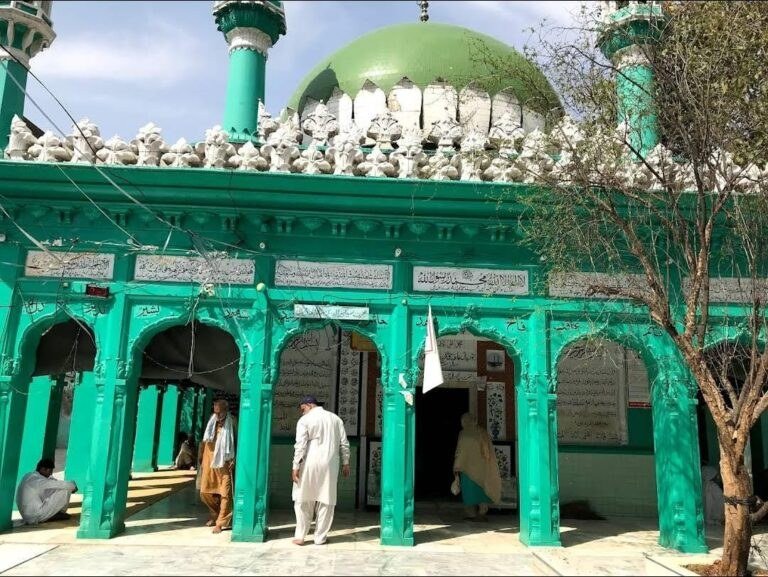
The visit pairs naturally with the shrine of Shah Daula, one of Gujrat’s most beloved Sufi saints, whose dargah stands close by in the same old quarter. The sources that record the Guru’s stay also record the meeting of Sikh and Sufi worlds here: Bhai Gadiya’s encounter with Shah Daula, the saint listening to the recitation of Sukhmani Sahib. Also, in one short walk you touch two of Punjab’s great spiritual traditions, in lanes that have barely changed their shape in centuries.
This destination is perfect for the heritage traveler who has done Lahore’s forts and wants the quieter, deeper Punjab — for Sikh yatris tracing Guru Hargobind’s travels, for students of Punjab’s layered past, and for photographers who know that the most atmospheric pictures are taken in old-city lanes at morning light. Also, come with respect, keep your voice low in the residential lanes. In fact, you will leave with something no grand monument gives you: the sense of having been let in on a secret.
History of Haveli Chhevin Patshahi, Gujrat
The history of this haveli begins with a journey. Meanwhile, Guru Hargobind Ji (1595–1644), the sixth Sikh Guru — the “Patshah of Meeri and Piri,” who first combined spiritual and temporal authority in the Sikh tradition — traveled to Kashmir and back in the early 17th century. In fact, on his return journey, he passed through Gujrat and stayed at this house inside the city’s Kabuli Gate. The Sikh chroniclers and the modern survey of historical Sikh shrines in Pakistan by Iqbal Qaiser both record the stay, and both preserve the name the chroniclers gave the place: “Haveli Chhenvi Patshahi,” the Mansion of the Sixth King.
The same sources weave the Gujrat stay into the spiritual life of the city. Shah Daula, the Sufi saint whose shrine still draws devotees in Gujrat, belongs to this story: the accounts describe Bhai Gadiya meeting the saint here, Shah Daula listening to the recitation of Sukhmani Sahib. The saint’s subsequent meeting with the sixth Guru. Whatever the precise details — the old narratives compress and blur at the edges — the pairing of the haveli and the nearby dargah reflects a real historical moment when Sikh and Sufi Punjab overlapped in these lanes.
From Mansion to Evacuee Property
What happened to the building afterward is the familiar story of Partition-era Punjab. The elegant mansion passed into evacuee property, and in the decades since it has been occupied by refugee families who altered it to suit their needs — partitions raised, facades modified, the original architecture surviving in fragments. The rent, the surveys note, is collected by the Waqf Board. Unlike the great gurdwaras that were restored as shrines, the Gujrat haveli was never reclaimed as a religious site. It remained what it had become — a home.
That is why visitors today see it from the street rather than touring its interior, and why the most respectful way to experience it is as a quiet pilgrimage of the eyes.
A note on the name, because it confuses many travelers: “Chhevin Patshahi” simply means “the Sixth Guru,” and Guru Hargobind’s travels left a trail of shrines across Punjab — which is why there are other Gurdwara Chhevin Patshahi sites at Mozang and Amar Sidhu in Lahore, at Buzurgwal near Gujrat, and elsewhere. Also, the Gujrat haveli is the haveli of that name: the mansion inside Kabuli Gate where the Guru stayed in the city itself. Our guides to the Gurdwara Chhevin Patshahi at Buzurgwal and the Gurdwara Chhevin Patshahi at Mozang cover the sister sites.
Top Things to Do in Haveli Chhevin Patshahi, Gujrat
See the Haveli from the Old-City Lanes
The essential experience is a slow walk through the Kabuli Gate quarter to the haveli itself. Because families live in the building, you view it from the street — which is honestly the right way to see it. Look for the bones of the old mansion under the alterations: the scale of the structure, the old masonry, the proportions that mark it out from the humbler houses around it. Go in the morning, when the lanes are soft with light and before the bazaar crowds build. Keep your voice down, do not block doorways, and if residents speak to you, be courteous. You are a guest in their neighborhood.
Visit the Shrine of Shah Daula
Steps away from the haveli quarter stands the dargah of Shah Daula, the Sufi saint of Gujrat whose story is intertwined with the Guru’s visit. Also, the shrine is an active place of devotion — visit respectfully, cover your head, and observe the customs of the devotees around you. In fact, the pairing of the haveli and the dargah in a single walk is the heart of this destination: two traditions, one old city, four hundred years of continuity.
Find Gurdwara Tambu Sahib
The old surveys place Gurdwara Tambu Sahib close to the Chhevin Patshahi site. Also, it is worth asking locally for directions. Like the haveli, it belongs to the layer of Sikh heritage embedded in Gujrat’s old city rather than to the grand-shrine circuit — which makes finding it feel like genuine discovery.
Walk the Walled City and Bazaars
Gujrat’s old city rewards the wanderer. Also, the Kabuli Gate quarter, the bazaars spilling out from the old gates, the workshops and the street food. In fact, this is small-city Punjab at its most authentic. Gujrat is famous for its glazed pottery and ceramics, and the bazaars are the place to see (and buy) them. Give the old city half a day on foot; it is compact, flat and endlessly photogenic.
Make It a Sikh-Heritage Circuit
For yatris and heritage travelers, the Gujrat haveli works beautifully as part of a wider circuit: the sister Chhevin Patshahi sites at Buzurgwal (about 24 km from Gujrat on the Bhimber road) and at Mozang and Amar Sidhu in Lahore, plus the great gurdwaras of the region. Also, each site marks a different stop on the Guru’s journeys; together they tell a story no single shrine can.
Famous Places In and Around Haveli Chhevin Patshahi, Gujrat
- Shrine of Shah Daula: The beloved Sufi dargah of Gujrat, close to the haveli — the natural pairing.
- Gurdwara Tambu Sahib: The old-city gurdwara near the Chhevin Patshahi site.
- Kabuli Gate quarter: The historic gate and lanes of old Gujrat around the haveli.
- Gujrat pottery bazaars: The city’s famous glazed ceramics and pottery workshops.
- Chenab River: The great river flows near the city — the classic evening excursion.
- Gurdwara Chhevin Patshahi, Buzurgwal: The sister site 24 km away on the Gujrat–Bhimber road.
How to Reach Haveli Chhevin Patshahi, Gujrat
Getting here is straightforward — this is one of the easiest heritage destinations in Punjab to reach. Also, From Islamabad, take the Grand Trunk Road (N-5) or the Lahore–Islamabad Motorway (M-2) south toward Lahore and exit for Gujrat — roughly 175 km, about 3 hours by car. From Lahore, it is even simpler: Gujrat lies about 120 km north on the GT Road, an easy 2-hour drive, and frequent buses, wagons and trains connect the two cities all day. From Karachi, fly to Lahore (Allama Iqbal International Airport) or take the train to Gujrat’s own railway station on the Lahore–Rawalpindi main line, then follow the Lahore route.
The nearest airport for most travelers is Lahore’s Allama Iqbal International Airport. Sialkot International Airport is also within reasonable distance to the east. Within Gujrat, the haveli is inside Kabuli Gate in the old city — reachable on foot from the main bazaars, or by auto-rickshaw from the railway station and bus stands. Ask any rickshaw driver for “Kabuli Gate” and then for the “Haveli Chhevin Patshahi” or the Shah Daula shrine nearby. The shrine is the better-known landmark and will get you to the right quarter.
Road conditions are excellent year-round — this is the GT Road corridor, the busiest highway in the country. Also, the only seasonal consideration is the summer heat and the monsoon rains, which make midday old-city walking uncomfortable. Plan heritage walks for mornings and late afternoons. Parking near the old city is tight, so leave the car at your hotel and use rickshaws in the old quarter.
Route Details
- Reach Gujrat city — by GT Road/N-5 from Lahore (~2 hrs) or Islamabad (~3 hrs), by motorway M-2 with the Gujrat exit, or by train to Gujrat railway station.
- Head to the old city — auto-rickshaw to Kabuli Gate; the old quarter is walkable from the main bazaar area.
- Find the Shah Daula shrine first — it is the best-known landmark in the quarter and sits close to the haveli.
- Walk to the Haveli Chhevin Patshahi — in the lanes inside Kabuli Gate; view respectfully from the street, as families live in the building.
- Continue to Gurdwara Tambu Sahib — ask locally; it lies in the same historic quarter.
Where to Stay in Haveli Chhevin Patshahi, Gujrat
You will stay in Gujrat city, not at the haveli — and Gujrat is well supplied. The city has a solid range of mid-range hotels along the GT Road and near the city center, aimed at business travelers and wedding parties, plus simpler budget guesthouses. For a heritage trip, choose something central so the old city, the railway station and the restaurants are all within easy rickshaw range. Lahore, two hours south, offers the full luxury spectrum if you prefer to base there and do Gujrat as a day trip — an entirely practical option given the short distance.
There is no reason to overthink accommodation here: this is a day-visit destination, and one night in Gujrat (or a day trip from Lahore) covers it comfortably. Book ahead only during wedding season and public holidays, when the GT Road hotels fill up.
Where to Eat: Local Foods of Haveli Chhevin Patshahi, Gujrat
Gujrat eats like the rest of central Punjab — which is to say, very well. Also, the old-city food streets and bazaar eateries around the Kabuli Gate quarter serve the Punjabi canon: chanay (chickpea curry) with fresh tandoori naan for breakfast, daal and seasonal vegetables, chicken karahi and mutton dishes at the main restaurants, and rivers of doodh patti and sweet lassi. In fact, the dhabas near the bus stands do a roaring trade with travelers and are reliably good and budget-friendly.
For sweets, the city’s mithai shops do excellent barfi, gulab jamun and jalebi — buy a box to take home. Also, In Punjab, arriving without mithai is a minor social failing. If your visit coincides with the winter months, look for saag and makai ki roti with white butter, the seasonal dish the whole province waits for. Eat where the crowds are, drink only bottled or filtered water, and save room: Punjabi hospitality does not take “I’m full” for an answer.
Weather in Haveli Chhevin Patshahi, Gujrat
Gujrat sits on the plains of central Punjab, so its weather is classic Punjabi plains: cold, foggy winters. A brief, glorious spring; a long, fierce summer; and a monsoon that breaks the heat in July. For old-city walking — the whole point of this visit — winter and spring are by far the most comfortable. Summer afternoons in the walled lanes can be punishing, so heritage travelers should treat May through August as early-morning-and-evening territory.
| Season | Temperature Range | Conditions |
|---|---|---|
| Winter (Dec–Feb) | 5°C to 20°C | Cool and often foggy in the mornings; the best season for old-city walks — crisp, clear afternoons |
| Spring (Mar–Apr) | 15°C to 32°C | Pleasant and brief; ideal for sightseeing before the heat arrives |
| Summer (May–Jun) | 28°C to 45°C | Hot and dry; sightsee at dawn and dusk, rest midday |
| Monsoon/Autumn (Jul–Nov) | 20°C to 38°C | Monsoon rains July–August break the heat; autumn turns pleasant again by October |
Language and Culture of Haveli Chhevin Patshahi, Gujrat
Punjabi is the mother tongue here, in its central-Punjab form, with Urdu universally understood and English workable in hotels and larger shops. Also, the culture is classic Punjabi small-city: warm, direct, food-centered and deeply hospitable. Strangers will give you directions at length; shopkeepers will offer you tea while you browse.
Two notes of etiquette matter for this particular visit. First, the haveli is a home: the families living there are not exhibits, so keep voices low, do not peer into doorways, and never photograph residents without explicit permission. Second, the Shah Daula shrine is an active Sufi dargah — cover your head, remove shoes where required, dress modestly, and follow the lead of the devotees. If you are a Sikh yatri, the usual gurdwara courtesies (head covered, shoes off) apply at the Sikh sites. Respect given freely here is returned with interest.
Shopping in Haveli Chhevin Patshahi, Gujrat
Gujrat’s signature craft is its glazed pottery and ceramics. Also, the city has been famous for them for generations. In fact, the bazaars around the old city are the place to buy: serving dishes, decorative plates, tiles and planters in the distinctive Gujrat glazes. Prices are artisan-direct and bargaining is expected and friendly.
Beyond pottery, the old-city bazaars sell everything a Punjabi bazaar should: khussay (embroidered leather shoes), phulkari-style embroidery, spices, dry fruits and mithai. Also, there is no need to hunt for a mall. In fact, the bazaar is the shopping experience here, and it is the better one. Carry cash; small change for rickshaws and street food keeps the day smooth.
Travel Tips for Haveli Chhevin Patshahi, Gujrat
Packing Essentials
This is an urban heritage visit, so pack light: comfortable walking shoes (the old-city lanes are uneven), sun protection and a water bottle for the bazaars, a headscarf or cap for shrine and gurdwara visits, and modest clothing covering shoulders and knees. A camera is essential — the morning light in the Kabuli Gate lanes is superb — but keep it discreet in residential streets.
Safety Tips
Gujrat is a safe, easy city for travelers. The usual precautions apply: keep valuables close in crowded bazaars, agree rickshaw fares before boarding, and drink bottled water. Also, in the old city, the main “risk” is getting happily lost in the lanes — which is half the pleasure. Women travelers will find the shrine quarter and bazaars comfortable in daytime with normal modest dress.
Money & Connectivity
ATMs are plentiful in Gujrat city, and mobile coverage is excellent on all networks. This is the GT Road corridor, not the mountains. Small shops, rickshaws and street-food stalls are cash-only, so keep small notes handy. Most mid-range hotels accept cards, but confirm when booking.
Best Time to Visit Haveli Chhevin Patshahi, Gujrat
Winter (November to March) — The Best Season
Heritage sources agree: November to March is the best time to visit. Also, the plains weather is at its kindest — cool mornings, clear afternoons — perfect for unhurried old-city walks, shrine visits and bazaar wandering. In fact, this is the season to plan for.
Spring (March to April) — Lovely and Brief
Short but sweet: comfortable temperatures and the city at its freshest. A fine window for the heritage circuit before summer closes in.
Summer (May to August) — For the Determined
Fierce heat and monsoon humidity make midday sightseeing hard work. If summer is your only option, do the old city at dawn, rest through the afternoon, and return to the bazaars in the evening when Gujrat comes alive.
Autumn (September to October) — The Comeback
As the monsoon retreats, pleasant weather returns. October in particular is a very agreeable month for the Gujrat heritage walk.
Final Thoughts
The Haveli Chhevin Patshahi will not impress you the way a palace does. Its power is quieter: a house in an old-city lane where a Guru once rested, still lived in, still standing, still called by the name the chroniclers gave it four centuries ago. Also, in a heritage landscape full of restored monuments, there is something profoundly honest about a historic building that simply kept being a home.
Walk the Kabuli Gate lanes in the morning light, pay your respects at the shrine of Shah Daula, and stand for a moment where Guru Hargobind stood on his way back from Kashmir. Then eat well in the bazaar. Also, the Guru’s Punjab and the Sufi’s Punjab were never far from a good meal. For more heritage journeys across the country, explore our Explore Pakistan collection.
FAQs
Where is Haveli Chhevin Patshahi?
It is an old mansion inside Kabuli Gate in the old walled city of Gujrat, Punjab. Also, the house where Guru Hargobind, the sixth Sikh Guru, stayed on his return journey from Kashmir.
What does “Chhevin Patshahi” mean?
It means “the Sixth Guru” — a title of Guru Hargobind Ji. Also, chroniclers called the Gujrat house “Haveli Chhenvi Patshahi,” the Mansion of the Sixth King.
Can I go inside the Haveli Chhevin Patshahi?
No — families live in the building today, so it is viewed respectfully from the street. Also, the elegant original structure has been altered over the decades. Its historic scale and setting in the old-city lanes remain evocative.
How is this different from the other Chhevin Patshahi gurdwaras?
Guru Hargobind’s travels left several shrines named for him — at Mozang and Amar Sidhu in Lahore, at Buzurgwal near Gujrat, and others. The Gujrat haveli is the mansion of that name: the actual house inside Kabuli Gate where he stayed in the city, not a later gurdwara building.
What is the best time to visit?
November to March, when Punjab’s plains weather is cool and clear — ideal for old-city walks and shrine visits.
How do I reach Gujrat?
Gujrat is about 120 km north of Lahore on the Grand Trunk Road (2 hours by car or bus) and on the Lahore–Rawalpindi railway line. Also, From Islamabad it is about 175 km via the GT Road or M-2 motorway.
Is it suitable for families?
Very — this is an easy, flat, urban heritage visit. Also, the old-city lanes, shrine and bazaars suit all ages; keep small children close in the crowded bazaar stretches.
What else should I see in Gujrat?
The shrine of Shah Daula (the essential pairing), Gurdwara Tambu Sahib, the pottery bazaars Gujrat is famous for. Also, an evening by the Chenab River.