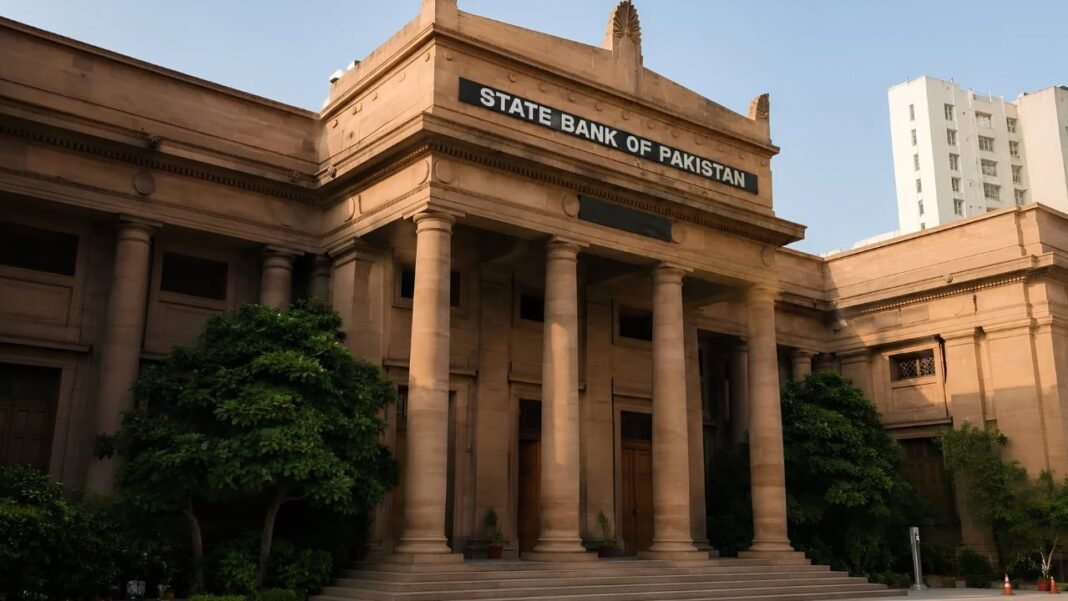
The State Bank of Pakistan (SBP) has adopted a new Shariah standard on Monetization, widely known in Islamic finance as Tawarruq, in a move aimed at strengthening Shariah compliance and consistency across the country’s fast-growing Islamic banking sector.
The New Standard
The central bank has adopted Shariah Standard No. 30 on Monetization (Tawarruq), issued by the Accounting and Auditing Organization for Islamic Financial Institutions (AAOIFI) — the Bahrain-based international body that sets Shariah standards for the global Islamic finance industry.
The standard takes effect immediately, subject to the clarifications and amendments specified in Appendix A of the SBP notice, so banks offering Islamic products will now apply a uniform, internationally recognized rulebook for these transactions.
Alongside the standard, the SBP has issued guidelines on applying the principle of Hajah — the concept of genuine need — to Tawarruq-based transactions. These guidelines are included in Annexure I of the SBP’s instructions and supplement the central bank’s existing regulations, instructions and directives on Islamic banking.
What Tawarruq Means for Customers
For ordinary customers, Tawarruq is one of the structures Islamic banks use when a customer needs cash financing rather than a specific asset. In simple terms, the bank buys a commodity — such as metals traded on an international exchange — and sells it to the customer at a deferred price (cost plus an agreed profit). The customer then sells the commodity immediately in the market for cash. The result is cash in hand, with repayment made in installments, but without interest being charged at any stage.
Because this structure involves real buying and selling, Shariah scholars have long debated the conditions under which it is acceptable. The newly adopted AAOIFI standard lays down those conditions in detail, and the SBP’s added guidance on Hajah (need) means banks will have to ensure Tawarruq is used for genuine customer needs — not as a routine, mechanical exercise.
Pakistan’s Islamic banking industry has been expanding rapidly, and the move brings the country’s rules into closer alignment with international AAOIFI benchmarks, giving customers greater confidence that the products they use meet recognized Shariah requirements.
Penalties for Non-Compliance
The SBP has made it clear that compliance is not optional. Banks that fail to follow the new instructions may face penalties under the relevant provisions of the Banking Companies Ordinance, 1962, the law that governs banks operating in Pakistan.
The development was first reported by TechJuice.