Plant Now, Harvest Health Later
There is a simple reason experienced gardeners get excited about autumn: it is one of the best times of the year to plant fruit trees. While the air turns cool, the soil is still warm from summer — exactly the combination young trees need to settle their roots before winter arrives. Plant a fruit tree this fall, and you are not just landscaping. You are investing in years of fresh, homegrown fruit for your family’s table.
That is the idea behind Martha Stewart’s seasonal planting guidance, which highlights fall as prime tree-planting season: warm soil plus cool air lets new plantings establish roots with far less stress than the heat of summer or the rush of spring.
Why Fall Works So Well for Fruit Trees
When you plant in early to mid-fall, the tree’s energy goes underground. Without leaves to support or summer heat to fight, the plant focuses on growing roots. Those roots keep developing through the cooler months, so by spring the tree is already anchored and ready to take up water and nutrients the moment growth resumes. Trees planted in late spring or summer, by contrast, face immediate heat stress while trying to establish at the same time.
Cooler air also means less watering pressure and fewer pests active around a vulnerable new planting. The key rule: get trees in the ground at least six weeks before your ground freezes, so roots have time to take hold.
Container Trees Now, Bare-Root Trees in Winter
One useful distinction: container-grown fruit trees — the potted trees sold at nurseries — are ideal for fall planting. They transplant with their root ball intact and settle in happily in the cool, moist conditions of autumn.
Bare-root trees (dormant, leafless young trees sold without soil) are a slightly different story. They are planted while fully dormant, typically from late fall into winter in mild climates, when handling stresses them least. So fall is the perfect time to plant potted trees and to plan and order your bare-root picks for the winter planting window.
Which Fruit Trees to Plant
Good fall choices include many of the classics:
- Apples: Among the most reliable backyard fruit trees; many varieties are hardy and productive. Plant more than one compatible variety if you want reliable pollination.
- Pears: Long-lived and relatively low-maintenance once established; Asian pears are crisp and sweet.
- Figs: Fast-growing and generous; fresh figs are a completely different experience from dried ones.
- Persimmons: Strikingly ornamental trees with sweet late-season fruit; Asian varieties are self-fertile.
- Plums and cherries: Sweet cherries like ‘Bing’ and plums like ‘Santa Rosa’ do well with fall planting in suitable zones.
- Pomegranates and quince: Tough, drought-tolerant once established, with fruit that stores well.
Always choose varieties suited to your climate zone and chill hours — a nursery in your region will stock what actually fruits where you live.
How to Plant It Right
Good planting technique matters more than almost anything else:
- Pick a sunny spot with well-drained soil. Most fruit trees want full sun — at least six hours a day.
- Dig wide, not deep. Make the hole twice as wide as the root ball but no deeper; the tree should sit at the same depth it grew before.
- Keep the graft union above soil. The bump where the variety was grafted onto the rootstock should sit a few inches above ground level.
- Backfill with the soil you removed, firming gently to remove air pockets. A little compost or balanced fertilizer in the hole gives roots a good start.
- Mulch and water. Spread mulch around the base (keeping it away from the trunk) to hold moisture and buffer soil temperature, then water thoroughly. Keep watering weekly through the first year whenever rain is scarce.
The Health Payoff of Homegrown Fruit
Here is where this becomes a health story, not just a gardening one. Fruit picked ripe from your own tree is at its nutritional peak. Commercial fruit is often harvested early so it survives shipping and storage; tree-ripened fruit simply tastes better and retains more of what makes fruit worth eating — fiber, vitamin C, potassium, and a spectrum of antioxidants.
Growing your own also means you control what goes on it. Many home growers use few or no synthetic pesticides, and even conventional home sprays are a fraction of commercial programs. For families, a backyard tree turns healthy snacking into the path of least resistance: when fresh figs, apples, or persimmons are hanging outside the kitchen door, they get eaten.
And do not discount the gardener’s own health. Digging, planting, pruning, and harvesting is genuine physical activity, and time spent working with trees is widely linked to lower stress. A fruit tree pays you back twice — once in the harvest, once in the hours you spend caring for it.
Frequently Asked Questions
Is fall really better than spring for planting fruit trees?
Both work, but fall has an edge in many climates: warm soil encourages root growth while cool air reduces stress on the tree. Just plant at least six weeks before the ground freezes.
Can I plant bare-root fruit trees in fall?
Bare-root trees go in while fully dormant — typically late fall through winter in mild climates. Container-grown (potted) trees are the ones to plant in early-to-mid fall.
Which fruit trees are easiest for beginners?
Figs, persimmons, and pomegranates are forgiving and productive with modest care. Apples and pears are reliable in temperate zones if you pick varieties suited to your chill hours.
How soon will my tree bear fruit?
It varies by type and size at planting. Figs can fruit within a year or two; apples and pears on dwarfing rootstocks often bear in 2–4 years, while standard trees take longer. Patience is part of the deal — and worth it.
The Bottom Line
A fruit tree planted this fall is a quiet, long-term investment in your family’s health: fresh fruit at peak ripeness, grown the way you choose, a few steps from your door. The planting itself takes an afternoon. The harvests last for decades.
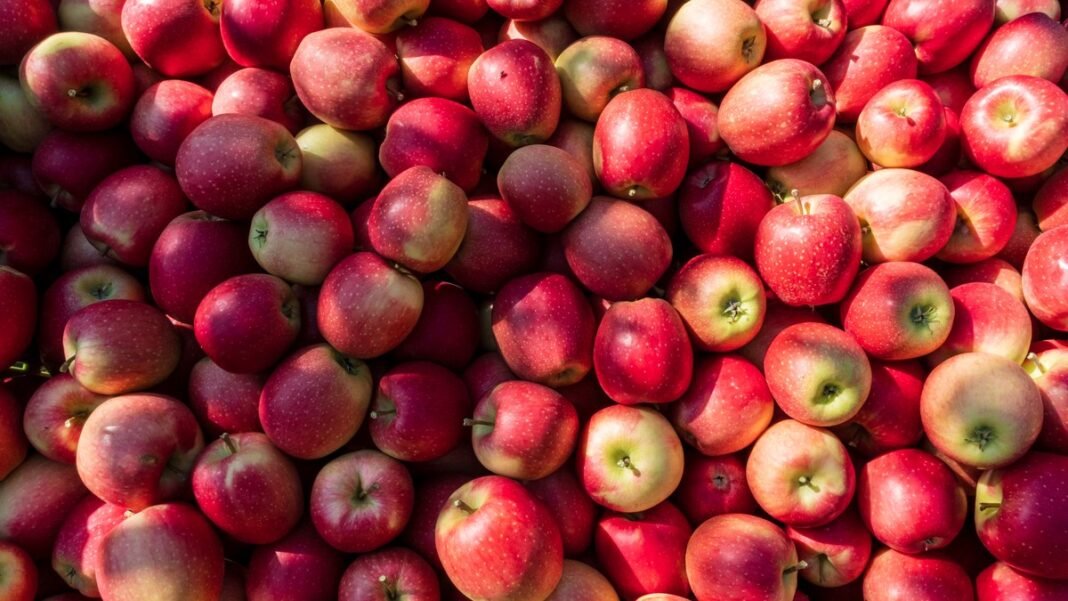
Planting guidance adapted from seasonal fruit-tree planting coverage by Martha Stewart. Harvest photo: apple orchard, Schenna, Italy, via Wikimedia Commons (CC BY-SA 4.0).