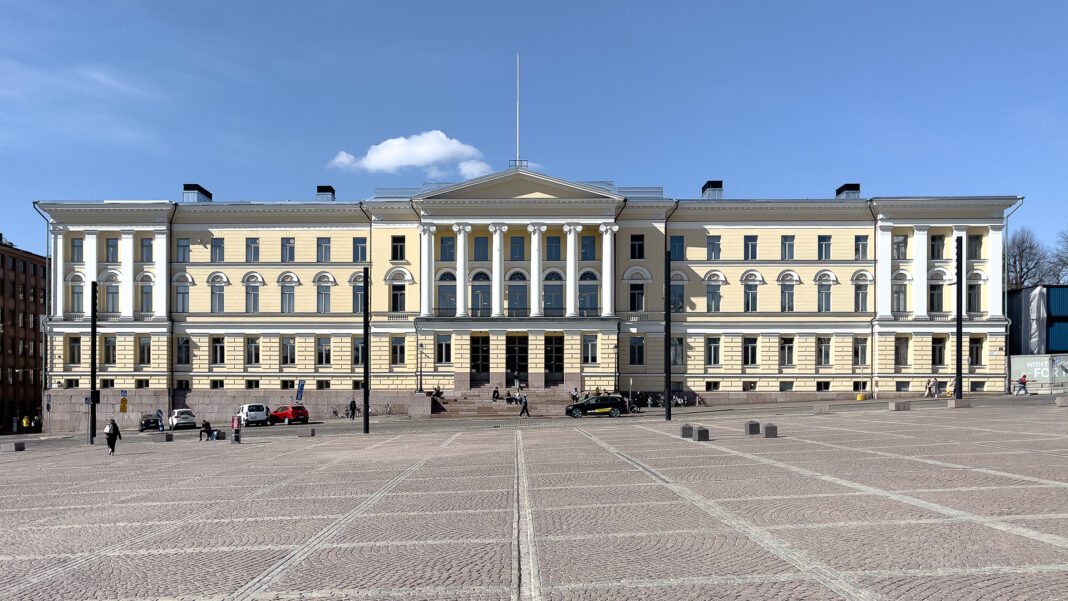
Why Finland Should Be on Your Shortlist
Finland has quietly become one of Europe’s most attractive study destinations. Its universities rank among the world’s best, the country runs 13 universities and 22 universities of applied sciences, and Finnish institutions offer more than 600 bachelor’s and master’s programmes taught entirely in English. Over 30,000 international students already study there.
For Pakistani students, the appeal is practical: internationally recognised degrees, a safe and well-organised society, and a system where admissions run through one transparent national portal. Here is what you actually need to know — fees, universities, scholarships, and the application process — based on current official information.
Top Universities for a Master’s in Finland
These are the names you will encounter most often, all offering English-taught master’s programmes:
- University of Helsinki — Finland’s largest and oldest university, strong across sciences, humanities, law, and medicine.
- Aalto University — a powerhouse in technology, business, and art & design, formed from the merger of three leading institutions.
- Tampere University — known for engineering, social sciences, and education.
- University of Turku — strong in IT, business, and health sciences.
- University of Oulu, LUT University, and University of Jyväskylä — respected options with competitive fees in technology, business, and education.
Fees are set per programme, not per university — two master’s programmes at the same university can cost very different amounts, so always check the exact figure on the programme’s official page.
Tuition Fees: What Non-EU Students Actually Pay
This is the number-one question, and the answer depends on your citizenship:
- EU/EEA and Swiss citizens: no tuition fees at any degree level (a small student union fee of roughly €50–70 a year still applies).
- Non-EU/EEA students (including Pakistanis): tuition fees apply to English-taught bachelor’s and master’s programmes. For 2026, master’s fees typically range from €8,000 to €20,000 per year, depending on the university and field.
Typical ranges by institution: Aalto programmes often sit around €15,000–20,000 per year; the University of Helsinki around €13,000–18,000; Tampere around €10,000–12,000; Turku around €9,000–16,000. Business and technology programmes tend toward the higher end, while humanities and social sciences sit lower. One more thing worth knowing: doctoral (PhD) programmes remain tuition-free for all nationalities.
Scholarships: Read This Before You Believe the Ads
You will see social media ads promising “fully funded Finland government scholarships.” The official Study in Finland portal has explicitly warned that these claims are misleading — there are no Finnish government scholarships for bachelor’s or master’s studies.
What does exist:
- University tuition-fee waivers: individual Finnish universities offer their own scholarships, usually as partial or full tuition waivers. In many programmes you apply for the waiver in the same application as admission — often just by ticking a box.
- They are competitive and awarded on academic merit and application quality.
- Living costs are never covered — even with a full tuition waiver, you fund your own housing, food, and daily life.
How to Apply: The Studyinfo.fi Portal
All applications to Finnish higher education go through the national portal Studyinfo.fi (also called Opintopolku). The process:
- Shortlist programmes on Studyinfo.fi — read each programme page for fees, waiver terms, and deadlines.
- Apply in the window: most English-taught master’s programmes use the joint application in January (for autumn intake); some universities, like Aalto, run their own window (roughly December to early January). Deadlines are strict.
- List up to six programmes in a single joint-application form.
- Pay the application fee: non-EU/EEA applicants pay a non-refundable €100 application fee.
- Upload documents: degree certificates and transcripts, proof of English proficiency (most programmes ask for around IELTS 6.5 or TOEFL iBT 92), motivation letter, and passport copy.
- Wait for results — admission decisions typically arrive by early summer.
Cost of Living and the Residence Permit
Budget around €900–1,200 per month for living costs, with Helsinki at the higher end and smaller cities cheaper. Student housing is the most affordable option — apply early, as queues are long.
After admission, non-EU students apply for a student residence permit through the Finnish Immigration Service (Migri), usually online. You will need to show you can support yourself financially — the immigration service sets a minimum monthly amount, so check Migri’s current figure before you apply. Start the permit process as early as possible; processing takes time.
Students are allowed to work part-time alongside their studies within set weekly limits, which many use to offset living costs.
After Graduation: Staying to Work
Finland wants graduates to stay. After completing your degree, you can apply for a residence permit to look for work or start a business in Finland, giving you time to find employment without leaving the country. Combined with the two official languages being Finnish and Swedish but English being widely used in workplaces and tech, the post-study path is one of Finland’s genuine advantages over many other European destinations.
Frequently Asked Questions
How much does a master’s in Finland cost for Pakistani students?
Typically €8,000–20,000 per year in tuition for English-taught programmes, plus around €900–1,200 per month in living costs and a €100 application fee.
Is there really no Finland government scholarship?
Correct — the official Study in Finland portal confirms there are no governmental scholarships for bachelor’s or master’s studies. Universities offer their own tuition waivers; beware of ads claiming otherwise.
Do I need to learn Finnish?
Not for admission — over 600 programmes are taught in English, and IELTS 6.5 / TOEFL 92 is the usual requirement. Basic Finnish helps daily life and job hunting, though.
When should I apply?
For an autumn start, the main joint application on Studyinfo.fi runs in January; Aalto and some others open in December. Prepare documents months ahead — deadlines are strict and late applications are not accepted.
The Bottom Line
A master’s in Finland is a serious financial commitment for a Pakistani student — but it is also one of the most transparent systems in Europe: one portal, published fees, merit-based waivers, and a real post-study work route. Go in with verified numbers, ignore the “fully funded” ads, and let the official programme pages — not agents — guide your budget.