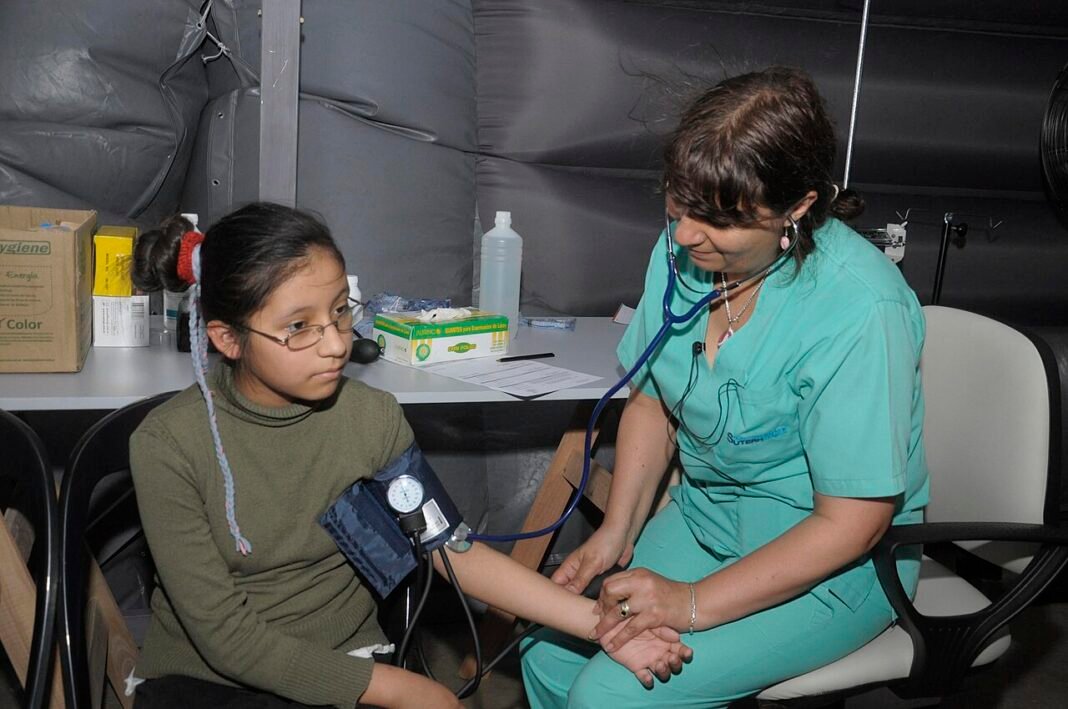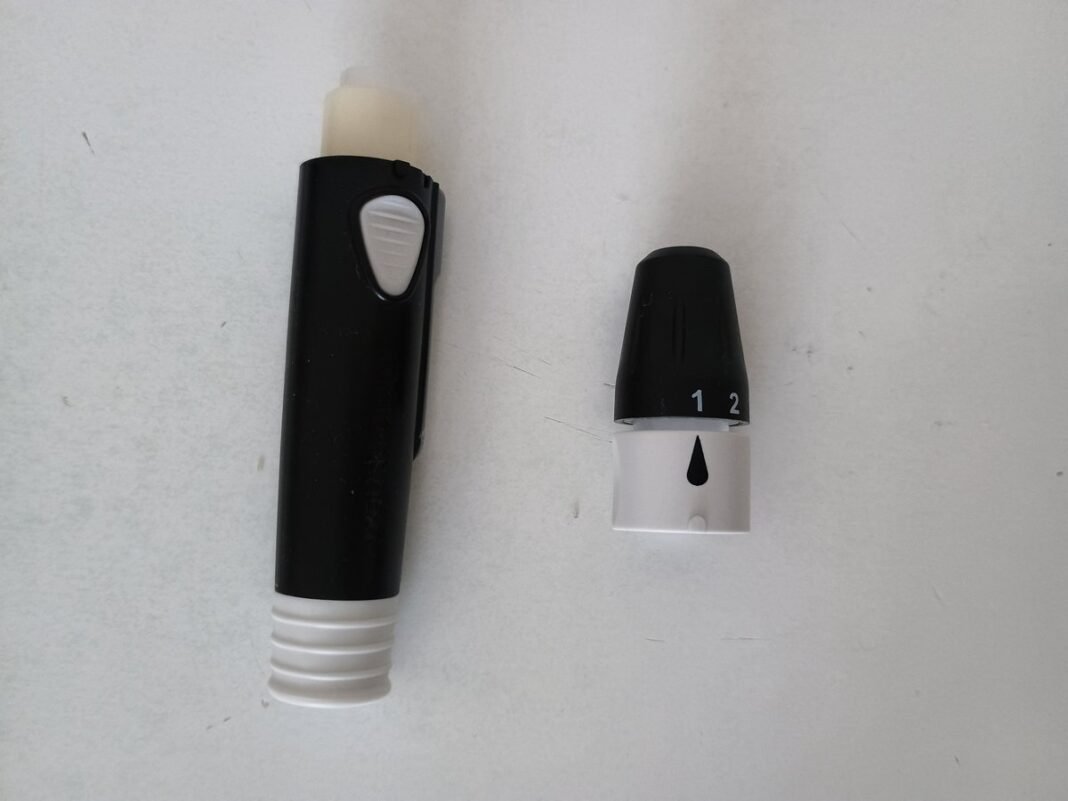
Many people with diabetes ask why is blood sugar high in winter. Cold months also bring flu, shorter days, and heavier meals. Each of these can push glucose higher than usual. However, a clear plan keeps you in control.
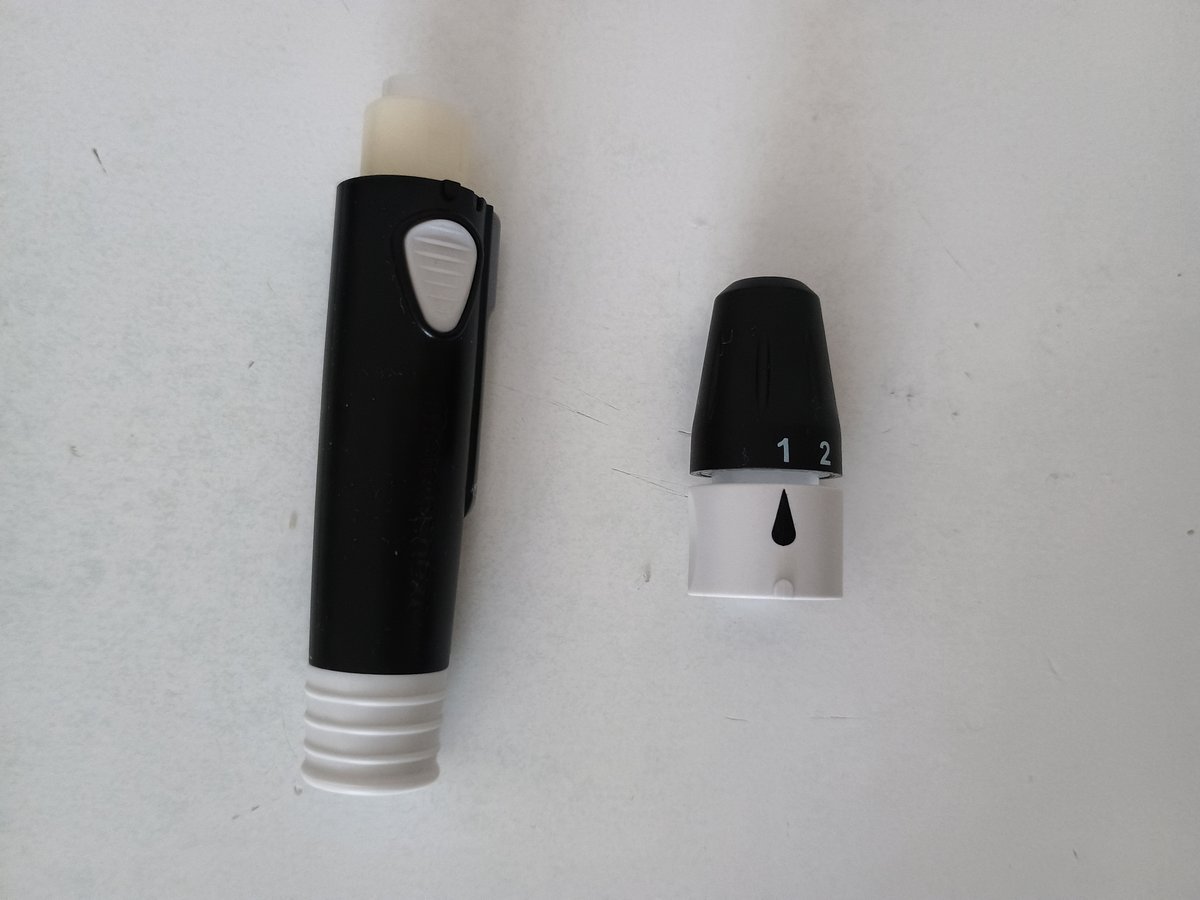
First, winter illnesses are the biggest reason behind the rise. When you catch a cold or flu, your body releases stress hormones. These hormones help fight infection but also raise blood sugar. Consequently, glucose can climb even if you eat less.
Why Is Blood Sugar High in Winter: Illness and Stress Hormones
In fact, illness can raise blood sugar even when you eat less than usual. Diabetes UK advises people to keep taking their diabetes medication when they feel unwell. Their sick-day guidance also recommends checking glucose at least every four hours during illness. This risk grows with fever, vomiting, or poor appetite.
Illness also brings dehydration and poor sleep. Both make glucose control harder than usual. Therefore, rest and plenty of sugar-free fluids are essential. If you have ever wondered why is blood sugar high in winter, illness and inactivity are the main culprits.
Less Movement and Shorter Days
Cold weather keeps many people indoors and less active. Muscles use less glucose when you sit for long hours. In addition, shorter days can disrupt sleep and routines. A gentle daily walk, even for fifteen minutes, can help a lot.
Bundle up and choose well-lit, safe routes for your walk. For example, a short stroll after meals lowers glucose effectively. Meanwhile, indoor options like stretching or home exercise work well too. Also set a timer on cold days so you do not forget to move.
Check your glucose before and after exercise in cold weather. Cold air can mask the warning signs of low blood sugar. Therefore, carry a fast-acting snack on every walk. Winter sunshine is weak, so plan outdoor walks for midday.
Comfort Food and Holiday Sweets
So why is blood sugar high in winter for so many people? Winter invites heavier comfort foods and sugary holiday treats. Rich meals and late-night snacking can spike blood sugar fast. Moreover, people often eat larger portions at winter gatherings.
Fortunately, you can still enjoy winter food without losing control. Choose smaller portions and pair sweets with fiber-rich foods. As a result, your glucose rises more slowly after meals. Drink water before meals to feel full sooner.
Why Is Blood Sugar High in Winter: Sick-Day Basics
First, check your glucose more often when you feel ill. Do not stop your insulin or diabetes medication. Instead, follow your sick-day plan and talk to your doctor early. Never stop insulin without specific advice from your care team.
Stay hydrated with water and sugar-free drinks throughout the day. Eat little and often if full meals feel too much. Also watch for signs of high blood sugar, such as unusual thirst or frequent urination. Keep a small notebook or phone log of your readings.
Call your doctor if vomiting lasts more than a few hours. Also seek urgent care for ketones or very high readings. Do not wait for things to improve on their own. Keep your doctor’s number saved where family can find it.
Finally, prevention matters more than treatment. The CDC recommends that people with diabetes get a seasonal flu vaccine. Pair it with hand washing and good sleep for stronger protection. Learn more in our guide to cold and flu prevention this season.
Here is the simple answer to why is blood sugar high in winter. Illness, inactivity, heavy food, and broken routines all play a part. Use this guide to stay steady through the cold months. Share it with family so they can help you stay on track.