If your numbers look higher this season, you may wonder: is blood pressure higher in winter? In fact, the short answer is yes. Cold weather can narrow blood vessels, so your heart works harder to move blood through them. As a result, winter readings often run a little higher than summer readings. This guide explains what is normal, when to worry, and how to measure correctly at home. It offers general information only, so please talk to your doctor about your own readings.
Is Blood Pressure Higher in Winter? Why Cold Months Raise Readings
Cold air triggers a natural response inside your body. Blood vessels near the skin tighten in order to save heat. This tightening raises the pressure inside the arteries. Less daylight can also mean less movement and exercise. In addition, heavy winter meals often carry extra salt. Consequently, your average reading may climb a few points during winter. Cold weather can also stiffen joints; our guide on why joints hurt more in cold weather explains more.
So is blood pressure higher in winter for everyone? Most people see a small rise. However, older adults and people with existing hypertension may notice a bigger swing. If you already take blood pressure medicine, cold months deserve extra attention. Furthermore, you should keep taking your tablets exactly as prescribed. Never change a dose without your doctor’s advice.
Winter habits can push numbers up as well. For example, rich comfort food and holiday stress both play a role. In addition, shorter days often cut exercise time. As a result, small lifestyle swings can add up over the season. Therefore, warm clothes, regular walks, and balanced meals matter more in winter.
When Is Blood Pressure Higher in Winter a Problem?
A small seasonal rise is common. Still, a high baseline matters. The American Heart Association defines normal blood pressure as below 120/80. Readings of 120 to 129, with the lower number below 80, count as elevated. Hypertension starts at 130/80 or higher. For example, a winter average of 135/85 crosses into hypertension. Talk to your doctor if your cold-season readings stay in that range.
Some numbers call for urgent care. A reading of 180/120 or higher is a hypertensive crisis. Seek emergency help if it comes with chest pain, trouble breathing, or severe headache. Do not wait to see whether it passes.
How to Measure Your Blood Pressure Correctly at Home
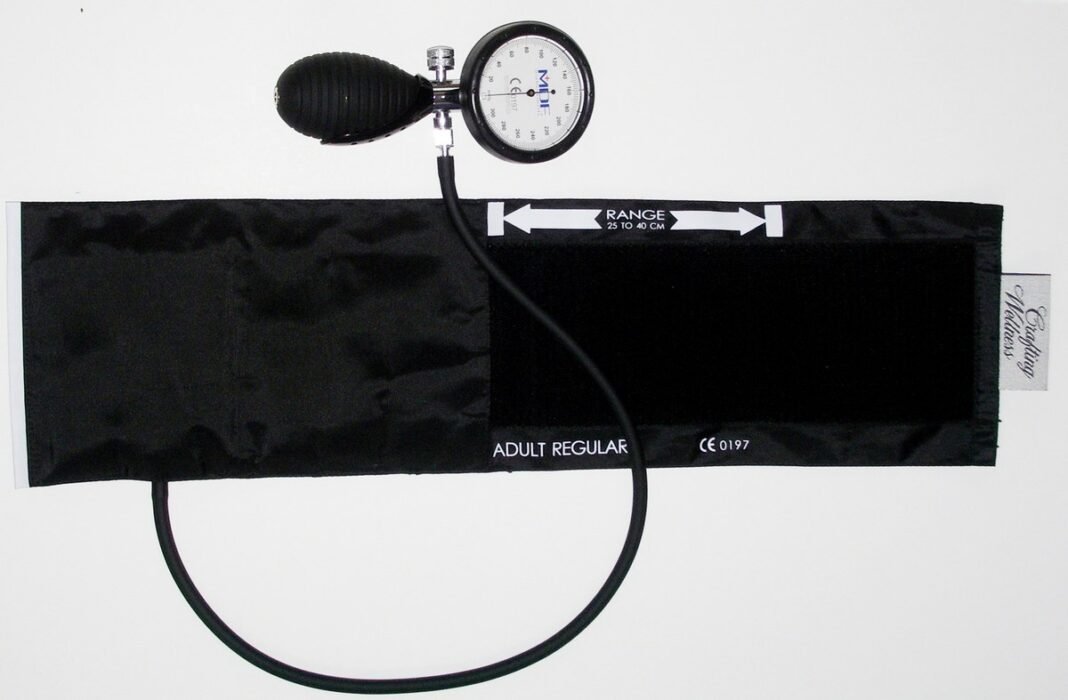
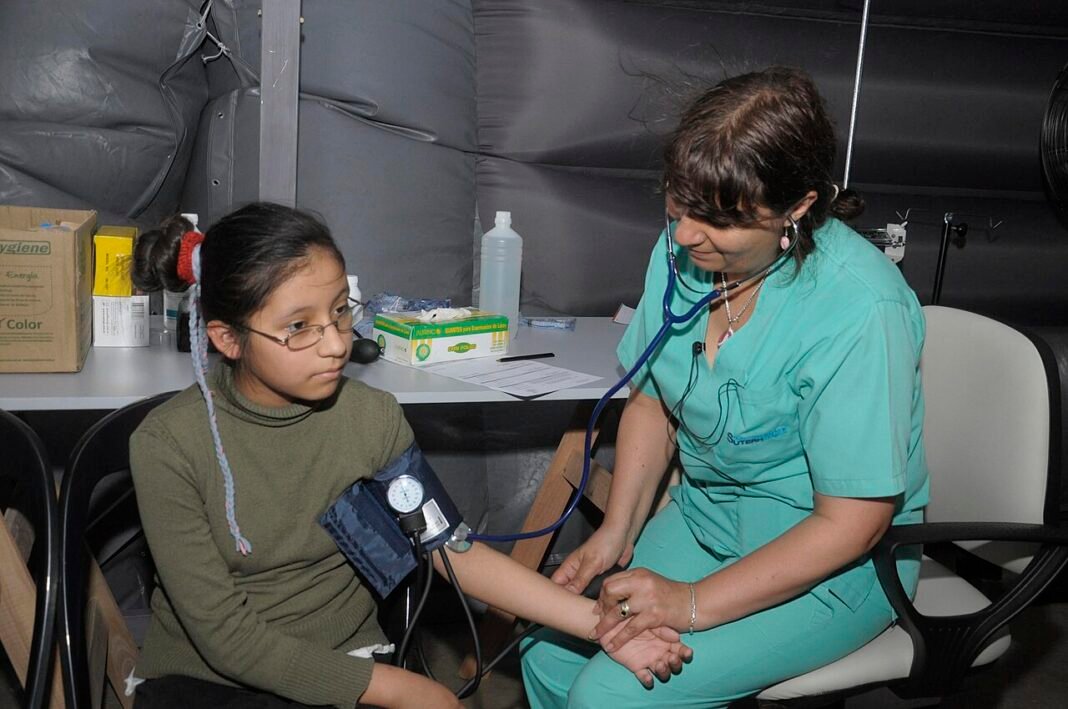
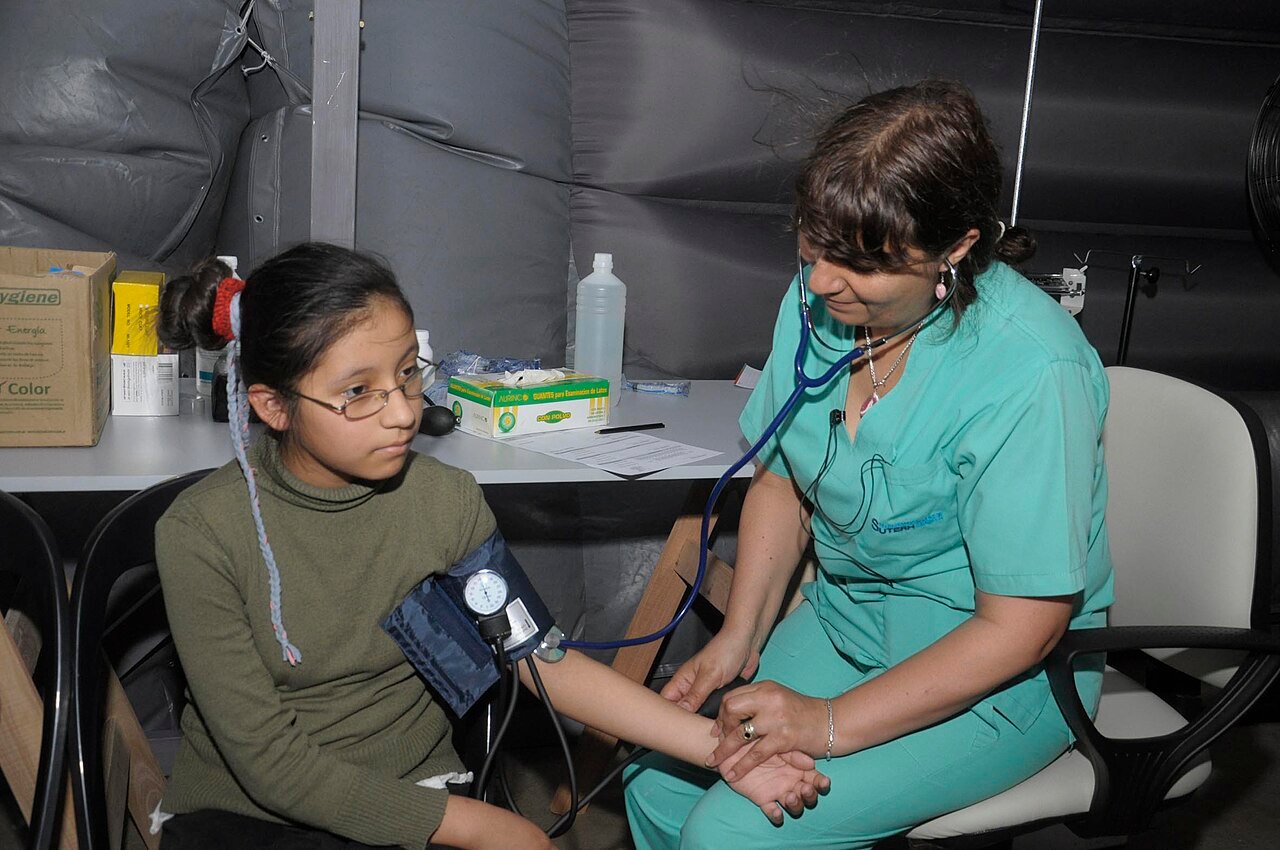
Accurate readings start with good technique. Sit quietly for five minutes before you measure. Keep your feet flat on the floor and rest your back. Place the cuff on bare skin with your arm at heart level. Avoid caffeine, smoking, and exercise for thirty minutes beforehand. Meanwhile, empty your bladder first, because a full bladder can skew the result. In fact, even small habits can shift the number. The Mayo Clinic blood pressure chart explains how each reading is categorized.
Timing matters as well. Measure at the same times each day, for example morning and evening. Take two readings about a minute apart, then note the average. In addition, keep a simple log and share it with your doctor. Consistent habits give the clearest picture.
Choose a monitor that fits your arm correctly. For instance, a cuff that is too small can read too high. In addition, take your device to a clinic visit and compare readings. Meanwhile, track your numbers for one to two weeks before judging a pattern.
Warning Signs That Need Medical Care
Most winter rises are mild and harmless. However, certain symptoms need fast action. Call emergency services for chest pain, sudden shortness of breath, or vision changes. Numbness or trouble speaking also needs urgent care. Moreover, a severe headache or confusion with a very high reading is another red flag. When in doubt, seek help immediately.
So the answer stands: is blood pressure higher in winter? For most people, the rise is small and manageable. Keep warm, stay active, and limit salt. In conclusion, keep taking your medicine and talk to your doctor about any readings that concern you.