How Technology Ended Rawalpindi’s Once-Booming Ice Trade
RAWALPINDI: The Rawalpindi ice trade, once one of the most profitable summer businesses for generations, has withered as scientific advancement changed how people live, and the few units left are now fighting rising costs to survive.
Until the 1990s, long queues outside ice stalls during summer were common, and obtaining ice was a tiring process. During Ramazan in the hot months, buying ice before iftar while fasting was particularly difficult. Today, ice is available in almost every household.
Rawalpindi ice trade: from 54 factories to four
In the 1990s, Rawalpindi had 54 small and large ice factories operating day and night, yet demand often exceeded supply. Today, the number has shrunk to just four, with production reduced to 20-30 per cent. The labour force associated with the ice factories has largely disappeared.
The city’s largest central ice factory at Marir Chowk closed in 1995 due to losses. Other major factories in Lal Kurti, Westridge, Pirwadhai, Dhamial, Dhoke Syedan and Dhoke Hassu have also shut down, leaving only small units behind.
The decline began in the 1990s with the spread of refrigerators in households. By 2000, 80 per cent of the city’s ice factories had closed. Previously, people would buy ice in advance during Ramazan and store it wrapped in flour sacks.
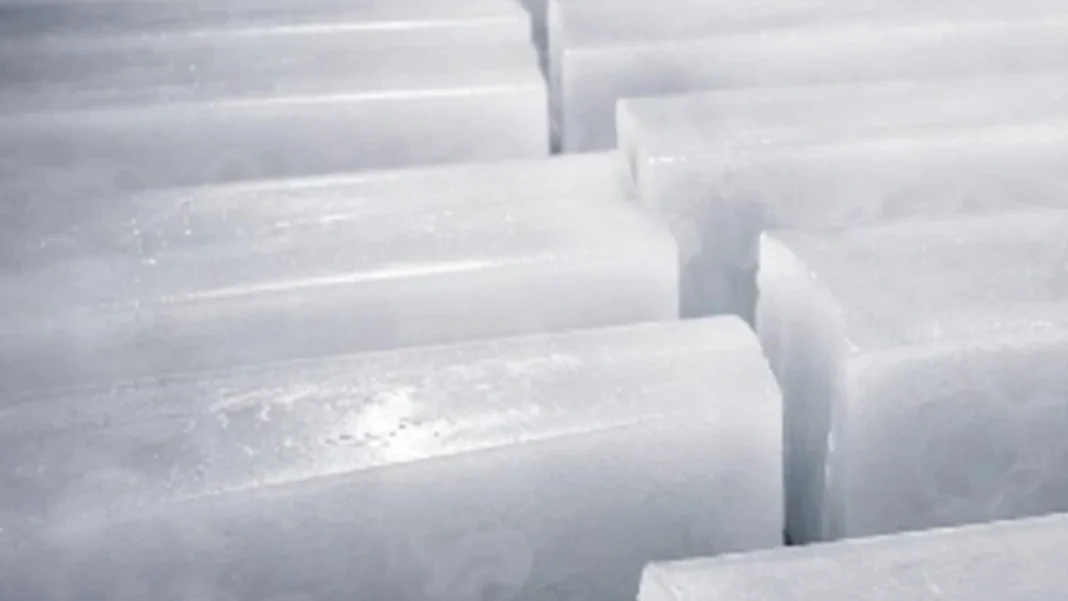
Ice sellers used to cut blocks by estimation rather than weighing them. Standard ice blocks measured three feet wide, five feet long and eight inches thick, produced using chemicals and water in iron moulds.
The human cost of the decline
Loading and unloading ice was a skilled job, with experts completing the task in minutes and earning daily wages. A 67-year-old worker, Abdul Qadoos, said he worked for 31 years at the Marir Chowk factory, where conditions were cool and workers received free ice for home use.
He started with a salary of Rs850, which later increased to Rs1,550. After purchasing a refrigerator on instalments in the 1990s, he left the job and joined the flower market in Raja Bazaar.
He said the industry enjoyed a 50-60 year boom but is now in decline due to scientific progress. Rising electricity costs have further strained the remaining factories, two of which may shut down this year.
Why ice costs more even as demand falls
Ice currently sells at Rs200 per kg in the open market and is expected to rise to Rs250-270 in the coming weeks, driven by increasing electricity, petrol and diesel prices. Where ice stalls were once easily visible across a city now bracing for smog season, they are now hard to find.
There is a small silver lining on fuel: the government has just cut petrol by Rs5.16 and diesel by Rs7.69 per litre, which could ease transport costs for the remaining factories. But electricity tariffs remain the heavier burden for an industry that runs on power-hungry compressors.
The irony is hard to miss. October heat still grips the region — yet the trade that once quenched it is nearly gone, replaced by the very appliances that killed it.
FAQs
How many ice factories did Rawalpindi have in the 1990s?
The city had 54 small and large ice factories operating day and night; today only four remain.
Why did the ice trade decline?
The spread of household refrigerators from the 1990s onwards removed the need for bought ice, closing 80 per cent of factories by 2000.
What does ice cost in Rawalpindi now?
Ice sells at Rs200 per kg in the open market and is expected to reach Rs250-270 in the coming weeks.
How were ice blocks traditionally made?
Standard blocks measured three feet wide, five feet long and eight inches thick, produced using chemicals and water in iron moulds.