Asif says Makkah pact does not bar 'direct involvement' of members facing a threat
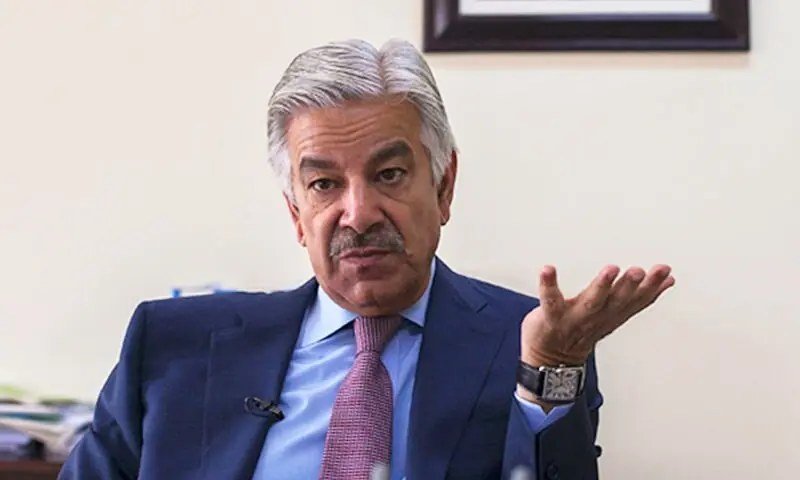
Defence Minister Khawaja Asif has said that no stipulation of the Makkah Defence Alliance bars member states from Makkah pact direct involvement in case one of them comes under threat.
Asif made the remarks on Thursday during ARY News programme ‘Khabar Muhammad Malick Ke Saath’, where he was asked about the possibility of Pakistan sending ground troops to Yemen amid the escalating conflict between the Houthis and Saudi Arabia.
“To defend one of the member countries, the remaining two would get involved as if they are defending themselves,” he said.
Makkah pact direct involvement: what Asif said
The defence minister’s comments are the clearest statement yet on how far the alliance’s collective defence commitment could go. The Makkah pact, signed on August 7 by Pakistan, Saudi Arabia and Turkiye, aims to strengthen collective deterrence and lets its signatories treat an attack against one of them as an attack against all.
The question of ground troops has hung over the alliance since fighting between Saudi Arabia and the Houthis intensified. Asif did not announce any deployment to Yemen, but his answer left the door open, framing such a move as consistent with the pact’s terms.
A week of rapid movement under the alliance
The statement follows a busy week for the trilateral framework. On Monday, Pakistan, Saudi Arabia and Turkiye agreed to the rapid deployment of military forces and capabilities in the kingdom during an emergency meeting of the alliance in Riyadh, called to address threats facing Saudi Arabia.
Earlier in the week, Asif confirmed on Geo News that Pakistan and Turkiye had a “presence in theatre” in support of Saudi Arabia, while stressing that Saudi forces were conducting the actual combat operations against the Houthis and that Pakistani and Turkish personnel were playing a supporting role, including reconnaissance.
The information ministry has separately rejected as “fake and fabricated” a New York Times report claiming Pakistani fighter jets were being used against the Houthis. The DG ISPR has said Pakistani troops have been stationed in Saudi Arabia for decades under long-standing bilateral arrangements.
Turkiye assessing its contribution
Turkish Foreign Minister Hakan Fidan said on Thursday that Istanbul was assessing how it could help Saudi Arabia counter Houthi attacks under the pact, with technical evaluations under way among military officials, particularly on air defence. He stressed the pact was a defensive agreement, not an offensive one.
What is the Makkah defence pact?
A trilateral agreement signed on August 7 by Pakistan, Saudi Arabia and Turkiye for collective security and defence cooperation. Its core principle is that aggression against one member is treated as aggression against all three.
Has Pakistan sent troops to fight in Yemen?
No combat deployment has been announced. Asif has said Pakistani personnel are present in a supporting role, while Saudi forces lead the fighting. His latest remarks address what the pact would permit, not what has been ordered.
Why does this matter now?
Houthi attacks on Saudi targets, including attempts on Makkah and Madinah, have pushed the alliance into its first real test. How the members interpret “collective defence” will shape the region’s next moves.