Quick Facts
- Location: Rondu (Roundu) area, Skardu District, Gilgit-Baltistan — on the southern side of the Indus River
- Altitude: Around 8,800–11,800 feet (2,680–3,600 metres); the upper valley reaches about 3,600 m
- Famous For: Pine and juniper forests, Sultanabad Meadows, the Basho Glacier, trout streams — and a name meaning “raisin” in Balti
- Nearest City: Skardu — about 40–45 km away
- Accessibility: Paved road to Basho Bridge (about 1–1.5 hours from Skardu), then a rough jeep-only track for another 1.5–2.5 hours
- Known Landmarks: Sultanabad village, Sultanabad Meadows, Basho River (Basho Nala), Basho Glacier, the old wooden suspension bridge over the Indus
- Best For: Campers, trekkers, anglers, photographers, wildlife watchers — travelers who enjoy rough roads and empty meadows
Why Visit Basho Valley
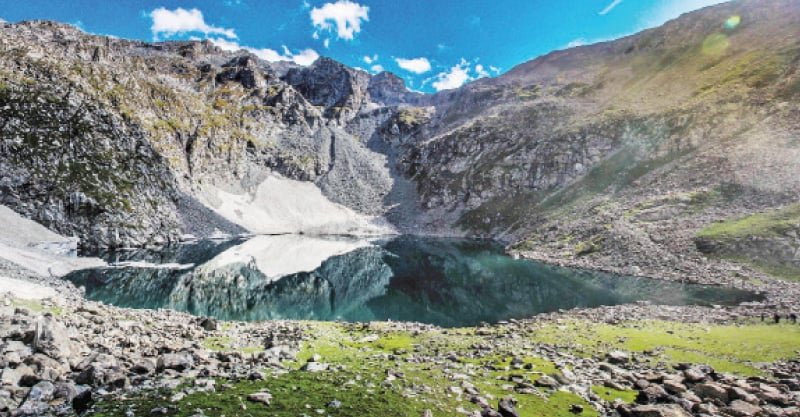
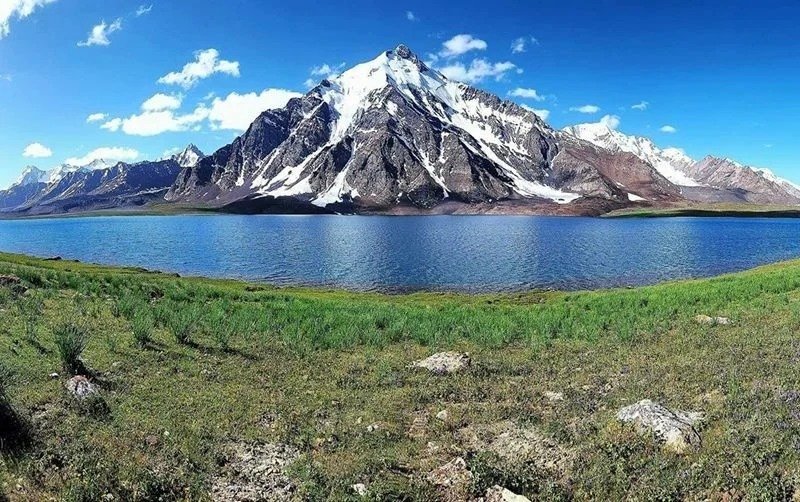
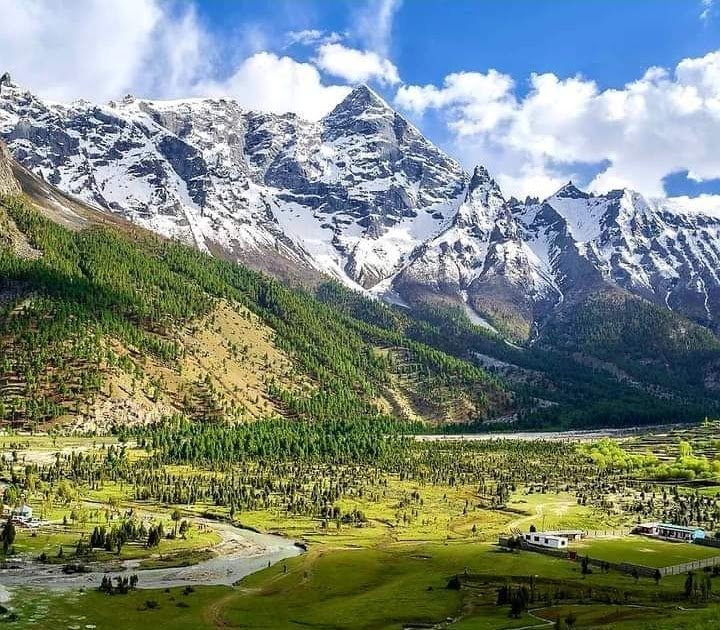
Skardu has its famous sights — Shangrila, Deosai, the cold desert — and then it has Basho, the valley that locals and in-the-know travelers whisper about. Basho Valley is a forested side valley about 40–45 km from Skardu city, and unlike the headline destinations it has never been built for tourism. There are no resorts here, no ticket counters, no crowds. What you get instead is one of the most complete alpine experiences in Gilgit-Baltistan: dense blue pine and juniper forest climbing toward snow peaks, the wide grazing expanse of Sultanabad Meadows, the glacier-fed Basho River running the length of the valley, and at its head the Basho Glacier. For a genuine basho valley travel guide, the first honest point is this: Basho is for people who like their mountains raw.
The valley’s character comes from the contrast between its approach and its reward. The jeep track beyond Basho Bridge is steep, narrow and rough — the kind of road that demands an experienced local driver and keeps the tour buses away. That filter is exactly why the meadows stay green and quiet. Campers pitch tents beside clear streams where trout flash in the pools, hikers walk up through the forest toward the glacier, and at night the sky does the rest. Day-trippers from Skardu are common, but the valley’s real magic belongs to those who stay overnight.
There is also a cultural layer that most visitors miss. Basho is a working valley, not a park. Seven villages — Sultanabad at the top, then Nazimabad, Meito, Guntho, Khar, Bathang and Matillo — line the Khar Nalla stream, where around 286 households farm irrigated terraces and graze livestock. The name “Basho” itself comes from the Balti word for raisins, a nod to the grapes and barberry of the valley. Visiting respectfully means remembering you are a guest in people’s home valley, and the experience is richer for it.
Finally, Basho is honest value. A jeep from Skardu, a tent, and food from the city are all you need; the valley charges nothing for its views. Wildlife adds a quiet thrill — ibex and markhor on the slopes, and, in the wider forest, genuine snow-leopard habitat (sightings are extremely rare, but the country is real). If Deosai is the postcard, Basho is the place you actually live in for a day or two.
History of Basho Valley
Basho’s recorded history is short but telling, and it is written in timber and bridges. The valley sits in the Rondu area of Baltistan, a region shaped by centuries of Tibetan influence — Baltistan was historically tied to the Central Tibetan world, and the Balti language still spoken in the valley is a Tibetic language. The people farmed irrigated terraces and grazed livestock along the Khar Nalla stream for generations, largely cut off from the outside world by the Indus gorge.
The modern history of Basho begins in 1968, when a suspension bridge was built across the Indus River along with a jeep road toward Basho — constructed primarily to give access to the valley’s forests and transport timber to Skardu and the surrounding areas. That logging-era infrastructure is the same rough track travelers bounce along today: the wooden suspension bridge over the Indus is now one of the valley’s signature sights, and the forest road built for timber trucks became, by accident, one of northern Pakistan’s great adventure drives.
Academic fieldwork in the valley has documented its seven villages and a way of life centred on agriculture and livestock, with irrigated crop terraces and community-managed land — joint forest management traditions are strong in Gilgit-Baltistan, where most land is owned by local communities. Tourism arrived only in the last decade, as Skardu’s popularity exploded and travelers began hunting for the region’s quieter corners. Unlike Shangrila or Deosai, Basho has no resort development, no hotel strip and no entry fee; it remains an open valley of villages and meadows. Its recent fame rests on vlogs and word of mouth rather than any marketing campaign — which is why, for now, it still feels discovered rather than developed.
Top Things to Do in Basho Valley
Camp in Sultanabad Meadows
The wide, open grazing meadows above Sultanabad village are the heart of the Basho experience and the standard overnight base. Campers pitch tents along the streams, cook over stoves and sleep under some of the darkest skies in the region. There is no formal campsite — choose established flat ground, keep fires small and safe, and carry out everything.
Walk toward the Basho Glacier
Trails lead up through the pine and juniper forest toward the Basho Glacier at the valley’s head. You do not need to be a mountaineer — the walk is a steady, rewarding day hike through changing vegetation zones, from irrigated terraces to alpine meadow to moraine. Go with a local guide, start early, and carry water and warm layers.
Trout fishing in the Basho River
The glacier-fed Basho River (Basho Nala) and its side streams hold trout, and fishing in the valley’s clear pools is one of its quiet pleasures. Bring your own gear from Skardu — nothing is available locally — and check current local rules with your guide before you cast.
Watch for wildlife
The valley’s forest is home to ibex, markhor, deer and snow cock, and the Gilgit-Baltistan Tourism Department lists snow leopards among the wider forest’s wildlife. Dawn and dusk, scanned from a still vantage point above the meadows, give you the best chance. Keep your distance, keep quiet, and never feed wild animals.
Photograph the suspension bridge and the valley
The old wooden suspension bridge across the Indus, the terraced villages, the waterfall reachable by a short hike from the main camping area, and the grape-drying racks of Sultanabad in season — Basho is endlessly photogenic. Ask before photographing people in the villages.
Famous Places In and Around Basho Valley
- Sultanabad Meadows: The main camping and grazing meadows above the village at the valley entrance.
- Basho Glacier: The glacier at the head of the valley, reached by forest trails.
- Basho wooden suspension bridge: The 1968-era bridge across the Indus where the adventure begins.
- Deosai National Park: The high plateau south of Skardu, visitable in summer as a separate trip.
- Shangrila Resort (Lower Kachura Lake): The famous resort lake outside Skardu, an easy stop before or after Basho.
- Skardu city: Your base — Kharpocho Fort, the bazaar and the airport.
How to Reach Basho Valley
Basho Valley is about 40–45 km from Skardu city, but the drive takes far longer than the distance suggests. First you must get to Skardu itself.
From Islamabad: Two options. By air: a direct flight to Skardu takes about an hour but is frequently cancelled in bad weather — build buffer days. By road: the Karakoram Highway via Besham, Chilas and Jaglot to Skardu is roughly 630–640 km and takes 16–20 hours of driving; most travelers break it overnight. From Lahore: Fly to Islamabad and connect, or drive the roughly 900 km via the motorway network and KKH. From Karachi: Fly to Islamabad, then onward to Skardu. Nearest airport: Skardu Airport. Skardu to Basho: Drive west from Skardu along the Indus on the Skardu–Gilgit road to Basho Bridge — paved, about 1–1.5 hours — then turn up the Basho jeep track: rough, narrow and steep, another 1.5–2.5 hours in a hired 4×4 with an experienced local driver. There is no public transport; hire a jeep in Skardu.
Route Details
Step by step from Skardu: (1) Hire a 4×4 jeep with a driver in Skardu — do not attempt the track in a regular car, and do not self-drive it unless you are experienced on mountain tracks. (2) Drive west along the Indus on the Skardu–Gilgit road to Basho Bridge (1–1.5 hours, paved). (3) Cross the bridge area and turn up the jeep track into the valley — 1.5–2.5 hours of rough, steep climbing through forest. (4) Reach Sultanabad village and the meadows above it. Stock up on all food, water and fuel in Skardu; there is nothing to buy in the valley. For wider northern itineraries, our Explore Pakistan section covers the region, and the Hunza Valley guide pairs well with a Skardu trip.
Where to Stay in Basho Valley
There are no hotels inside Basho Valley, and the valley is unlikely to get any soon. Camping is the standard option — bring your own tent, sleeping bags and stove, or rent camping gear in Skardu before you leave. A small number of basic, family-run guesthouses and homestays reportedly operate in Sultanabad village at the valley’s entrance, offering simple rooms and home-cooked Balti meals; these are informal arrangements best made through a local operator, since phone coverage for direct booking is unreliable. Most visitors either camp in the meadows or do Basho as a long day trip from Skardu, where the full range of hotels and guesthouses is available. If you camp, pitch on established ground, keep a respectful distance from grazing livestock and village land, and leave the site cleaner than you found it.
Where to Eat: Local Foods of Basho Valley
Food options inside the valley are extremely limited, so plan to be self-sufficient: bring water, snacks and full meals from Skardu, or arrange a packed lunch through your hotel. If you stay in a Sultanabad homestay, expect home-cooked Balti food — the cuisine of Baltistan built on buckwheat, barley and apricots. Balti staples include apricot soup, buckwheat bread, dried meats, momos, and thukpa-style noodle dishes; in season you can taste the valley’s grapes and dried fruit, the “basho” the valley is named for. In Skardu town, restaurants serve Balti and Pakistani dishes at reasonable prices, and the bazaar is the place to buy dried apricots, apricot oil and other local produce to take home. Carry out all food waste from the valley — there is no rubbish collection in the meadows.
Weather in Basho Valley
Basho’s weather is classic high-mountain: a short, mild summer and a long, harsh winter. Day temperatures in the main season run 15–20°C, but nights often drop near or below freezing even in summer — the altitude demands respect. The jeep track is generally open from late May to early October and frequently blocked by snow in winter.
| Season | Temperature Range | Conditions |
|---|---|---|
| Winter (Nov–Mar) | Well below freezing | Heavy snow; the jeep track is often blocked; valley inaccessible to travelers |
| Spring (Apr–May) | 5–15°C days, cold nights | Melting snow; the track opens late in the season; unpredictable weather |
| Summer (Jun–Sep) | 15–20°C days, near/below freezing nights | Core window; lush meadows, full access, warmest and busiest in July–August |
| Autumn (Oct) | 5–15°C days, freezing nights | Golden colours and fewer people; the track can close early with the first snows |
Language and Culture of Basho Valley
The language of the valley is Balti, a Tibetic language shaped by Baltistan’s long historical ties to the Tibetan world; the very name “Basho” is a Balti word. Urdu is understood in Skardu and by guides, so Urdu works for practical communication, and a few Balti greetings are warmly received. The people are Balti Muslims, and the valley’s seven villages live by farming and livestock — you will see irrigated terraces, grazing herds and traditional stone houses. Cultural norms for visitors: dress modestly, ask before photographing people (Sultanabad is a working village, not a tourist attraction), respect private and community land, do not disturb livestock, and carry out all rubbish. Hospitality is genuine here; if a family offers tea or food, accept with thanks and fair payment.
Shopping in Basho Valley
There is no shopping in Basho Valley itself — buy supplies and souvenirs in Skardu. The Skardu bazaar is the place for the region’s genuine products: dried apricots and apricot oil (Basho’s namesake fruit in dried form), Balti handicrafts, woolen shawls and caps, and local honey. You will not find a shopping mall anywhere near the valley, and none is needed — the honest souvenirs of this trip are dried fruit, photographs and the memory of the meadows. If villagers in Sultanabad offer dried fruit or dairy products, buying directly from them is the best possible transaction.
Travel Tips for Basho Valley
Packing Essentials
Warm layers for freezing nights (down jacket, thermal base layers), a sleeping bag rated below zero, a sturdy tent, rain gear, sun protection (the high-altitude sun is fierce), trekking boots, a headlamp, water purification and all food and cooking fuel. There is nothing to buy in the valley.
Safety Tips
The jeep track beyond Basho Bridge is steep and narrow — use only an experienced local driver and never drive it yourself in an unsuitable vehicle. Acclimatise sensibly; the upper valley reaches about 3,600 m. Keep a buffer day for weather, and do not attempt the track in snow. Tell someone in Skardu your plan and expected return.
Money & Connectivity
Carry all cash in rupees — there are no ATMs, banks or card payments in the valley. Jeep hire, food and any homestay payment are all cash. Mobile coverage is unreliable beyond the valley entrance; expect to be offline in the meadows. Download offline maps before leaving Skardu.
Best Time to Visit Basho Valley
Summer (June–September) — Best
The core window: the track is fully open, the meadows are lush, days are mild (15–20°C) and the valley is at its greenest. July and August are the busiest; June and September are quieter with equally good weather.
Late spring (May) and autumn (October) — Workable
Possible with a flexible schedule — fewer people and beautiful light — but the weather risk is higher and the track can be affected by late or early snow.
Winter (November–April) — Not recommended
Heavy snow blocks the track and the valley empties. Only specialist winter expeditions with local guides should consider it.
Final Thoughts
Basho Valley is a reminder of what the north looked like before the tour buses arrived. The rough road is not a flaw — it is the valley’s immune system, keeping the meadows green, the forests standing and the villages in charge of their own home. What you trade in comfort you get back tenfold in stars, silence, trout streams and the simple dignity of a working mountain valley.
Go with a good driver, go with warm gear, and go with respect for the people whose valley you are visiting. Camp lightly, buy the dried apricots, ask before you photograph, and leave the meadows as you found them. Skardu’s famous sights will always be there — but Basho, still quiet, still real, is the one you will remember.
FAQs
Where is Basho Valley located?
In the Rondu area of Skardu District, Gilgit-Baltistan, about 40–45 km from Skardu city on the southern side of the Indus River.
What is the best time to visit Basho Valley?
Late May to early October, with June to September the core window for the best weather and full track access.
How do I reach Basho Valley from Skardu?
Drive 1–1.5 hours on paved road to Basho Bridge, then 1.5–2.5 hours up the rough jeep track in a hired 4×4 with an experienced local driver. No public transport exists.
Is Basho Valley safe to visit?
The area is generally safe for travelers; the main risk is the steep, narrow jeep track, which should only be driven by experienced local drivers.
Is Basho Valley suitable for families?
As a day trip with a good jeep and driver, yes for adventurous families with older children; overnight camping suits fit, well-equipped families. The rough road is not ideal for small children or elderly travelers.
Where can I stay in Basho Valley?
Camping in the meadows is the standard option; a few basic homestays exist in Sultanabad village. Most visitors base themselves in Skardu’s hotels.
What food is available in Basho Valley?
Almost none — bring everything from Skardu. Homestays may offer home-cooked Balti meals; the valley is known for grapes, dried fruit, buckwheat bread and apricot dishes.
What does “Basho” mean?
“Raisin” in the Balti language — a reference to the grapes and dried fruit of the valley.