IHC Seeks Child Social Media Report, Gives Govt One Month
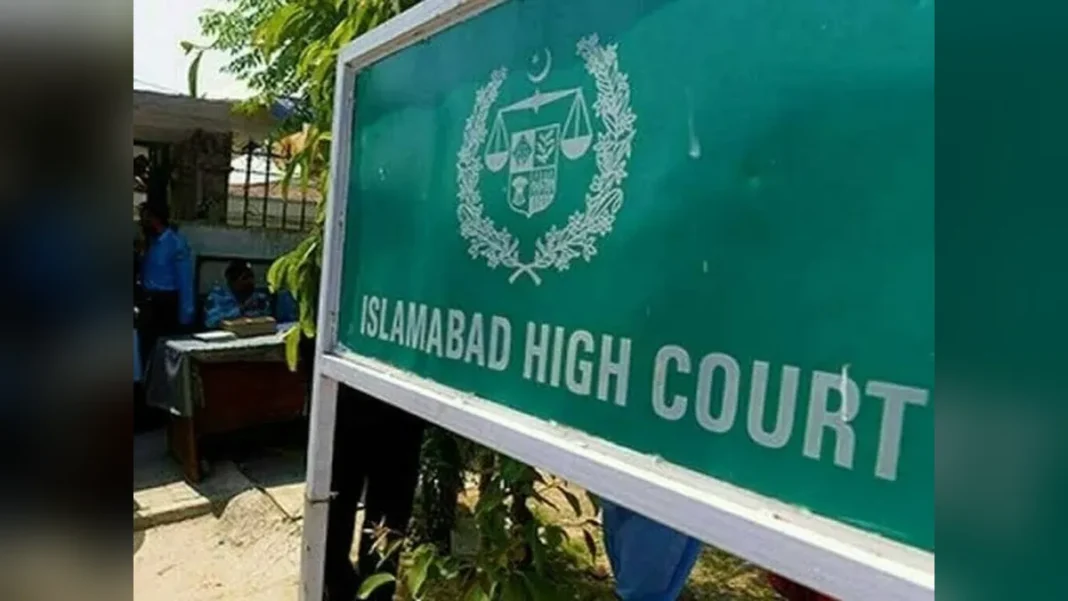
The Islamabad High Court has given the federal government one month to submit a detailed child social media report on steps to protect children from online harassment and social media abuse. The court wants to know what the government has done to regulate children’s use of social media and to stop harassment and blackmailing online.
Justice Arbab Muhammad Tahir heard several petitions on the matter on Monday. The court directed the government to file its response within a month and adjourned further proceedings until December 23.
What the child social media report must cover
The court asked the federal government to explain the measures it has taken to regulate children’s social media use. It also wants a report on the legal framework for dealing with complaints about the misuse of digital media, and on how that framework is being put into practice.
Three regulators have been told to file their own reports. The Pakistan Telecommunication Authority (PTA), the Pakistan Electronic Media Regulatory Authority (PEMRA) and the National Cyber Crime Investigation Agency (NCCIA) must each submit a comprehensive report on the matter.
Additional Attorney General Rashid Hafeez asked for more time to respond, which the court allowed. The court was told that stakeholders had met on the issue on November 13. Former senator Farhatullah Babar also appeared before the court. The Express Tribune reported the court’s directions.
The 2020 and 2021 social media rules
During the hearing, Justice Tahir observed that the petitions challenging the 2020 Social Media Rules had become infructuous. After that observation, the petitioner’s counsel withdrew the petition against the 2020 rules.
The court then turned to a separate petition that challenges the 2021 Social Media Rules. It directed the federal government to submit its response to that petition as well. The court had already directed the relevant authorities to ensure that laws aimed at preventing the misuse of digital media are implemented.
The distinction matters. The 2020 challenge has now fallen away, while the 2021 challenge will be answered by the government in the coming month.
A separate case on a child’s death
In a separate development on the same day, another bench of the high court took up a petition seeking a joint investigation team to probe the death of a 13-year-old girl. Business Recorder reported that Justice Azam issued pre-admission notices to the police and the respondents in that petition.
Advocate Yasser Nadeem Ramday filed the petition in a pro bono capacity. It seeks a joint investigation team to conduct a fair probe into FIR No. 619, dated November 15, 2026, registered under Sections 302 and 34 of the Pakistan Penal Code at Police Station Shams Colony in Islamabad. The petition also asks the court to direct departmental proceedings against two of the respondents.
The two cases are separate, but both reached the high court on the same day, showing how the courts are being asked to deal with online harm and the safety of children at the same time.
Why the case matters for children online
Children in Pakistan use social media in large numbers, and the risks they face range from harassment and blackmail to exposure to harmful content. The court case tests whether the state’s rules and regulators can keep pace with those risks.
UNICEF raised the same concern last year, calling on governments, regulators and companies to build digital environments that are safe, inclusive and respectful of children’s rights. It said age-related laws must not replace the duty of companies to invest in safer design and moderation, and that firms should be required to spot and address harm to children early.
The issue also connects with work the regulators are already doing. PTA has moved to block foreign SIMs used in fraud, and Pakistan faced 9.4 million cyberattacks in a recent count. The NCCIA, which investigates online crime, has already taken up high-profile cases this month. Meanwhile, the debate over who should regulate social media, and at what cost, continues.
PEMRA, the third regulator named by the court, has been active on a separate front. It banned advertisements for commercial infant formula on electronic media this week.
What happens next
The federal government now has one month to file its response, including its reply to the petition against the 2021 rules. The PTA, PEMRA and the NCCIA must file their reports as well. The court will take up the matter again on December 23.
The reports will show whether the regulators have a joined-up plan for children’s safety online, or whether each body is working on its own. For parents, the case offers a rare public record of what the state is doing to protect children online.
Frequently asked questions
What did the Islamabad High Court order in the child social media case?
The court directed the federal government to submit a detailed report within one month on measures to regulate children’s use of social media and to address online harassment and blackmailing.
Which regulators must file reports?
The Pakistan Telecommunication Authority, the Pakistan Electronic Media Regulatory Authority and the National Cyber Crime Investigation Agency have each been directed to submit comprehensive reports.
What happened to the petition against the 2020 Social Media Rules?
Justice Arbab Muhammad Tahir observed that the petitions challenging the 2020 rules had become infructuous, and the petitioner’s counsel withdrew the petition.
What is the petition against the 2021 Social Media Rules?
It is a separate petition challenging the 2021 rules. The court has directed the federal government to submit its response to it within a month.
When is the next hearing?
The court adjourned further proceedings until December 23, 2026.